Kuro
https://visualmemoryunit.itch.io/kuro
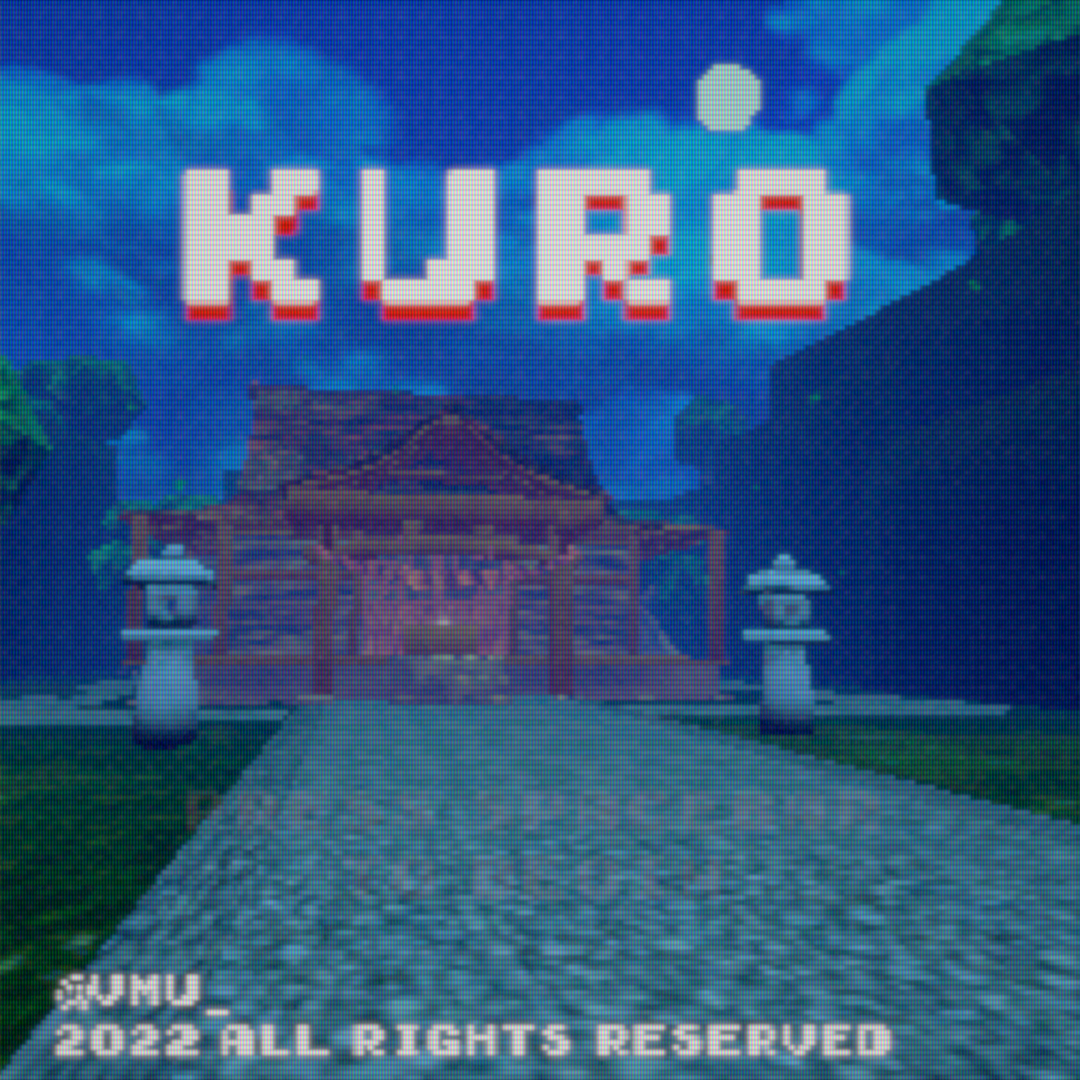
Kuro is a free-to-play homebrew PS1 gothic horror game that takes about twenty minutes to finish. There aren’t any jumpscares, but the story is as dark as the chunky retro polygons are cute.
You play as Kuro, a mysterious visitor to an abandoned Shinto shrine. The moonlit shrine is beautiful and peaceful on the outside, but its interior conceals an underground labyrinth haunted by the ghost of a brutally murdered young woman named Miu. As Kuro, your job is to find and reunite the parts of Miu’s corpse so that her spirit can move on.
Along with Miu’s head and body, Kuro must acquire the means to open three locked doors. Though the game’s map isn’t overly large, Kuro moves slowly (with tank controls) across spaces presented to the player from dramatic angles. It’s unlikely that you’ll become lost, but the game does an excellent job of conveying the disorientation of wandering through a dark basement.
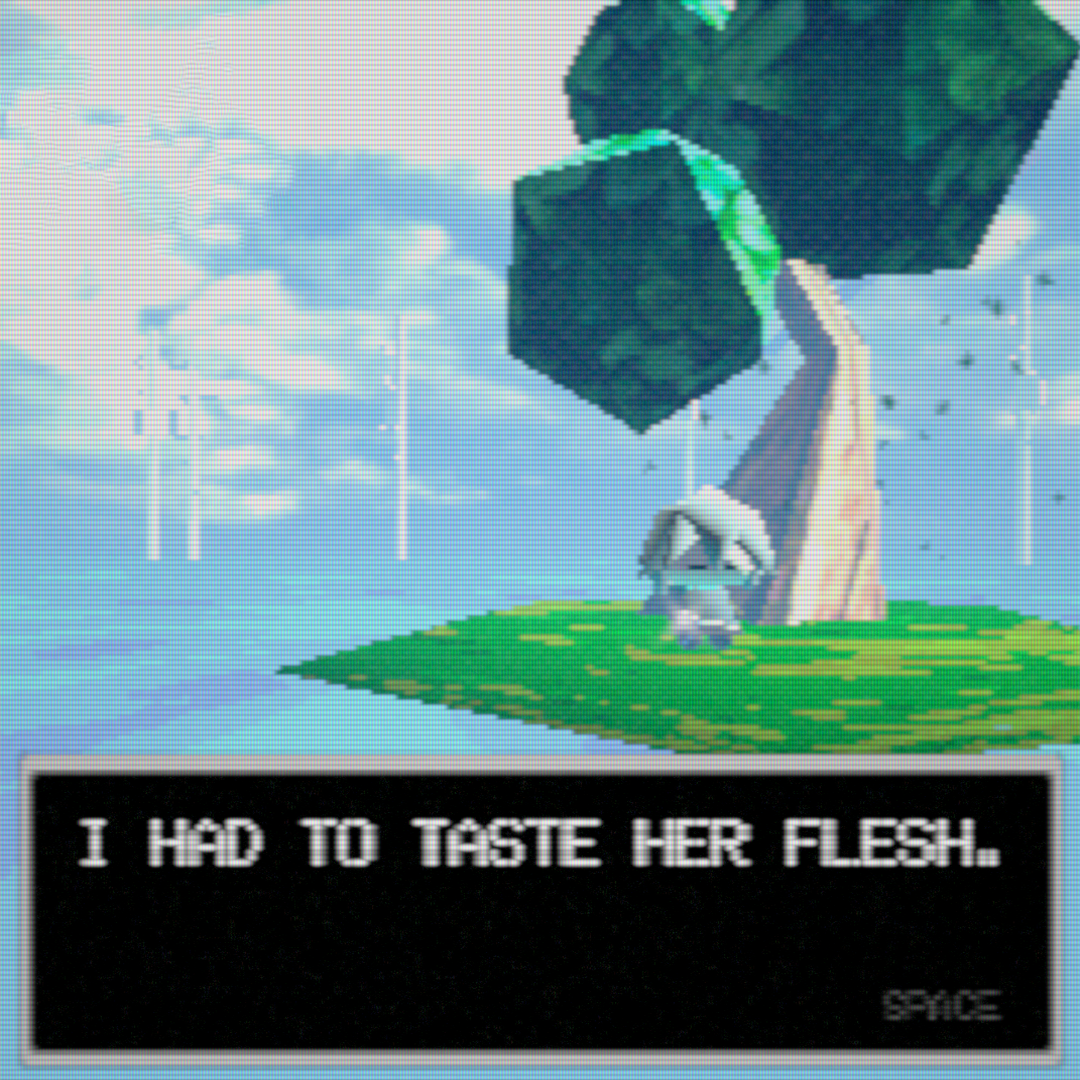
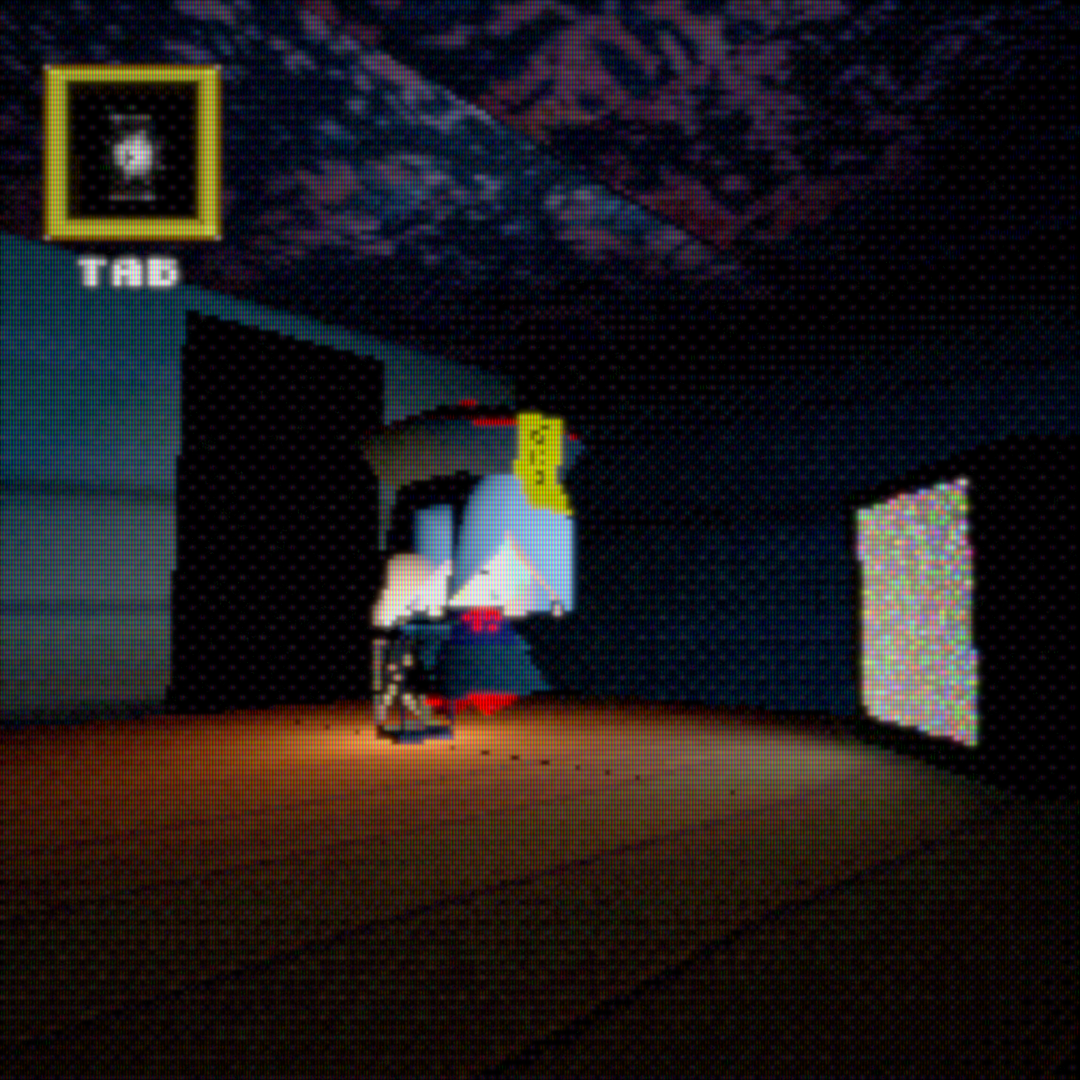
For me, the standout scene is when Kuro enters a locked room that’s completely empty except for an old television whose screen is filled with static. When Kuro interacts with the television, she’s transported to an otherworldly landscape where she meets the man who killed Miu. He explains what happened, but this isn’t the end of the story. Once Kuro returns to the shrine and begins to dig deeper, the player learns that murder is probably the most wholesome thing that happened here.
I genuinely appreciate the developer’s commitment to including every gothic trope they could think of. One might argue that the writing is somewhat clumsy, and that the game’s twenty-minute playtime isn’t sufficient to allow ample space for its horrors, but I’m of the opinion that the writing is just as integral to the retro aesthetic as the graphics. I feel like there’s a tendency to remember games like Final Fantasy VII and Resident Evil 2 as “well-written,” but PS1-era games had a tendency to hit you with a cascade of revelations in the most basic and matter-of-fact prose. Kuro matches the tone of this style of video game writing perfectly.
I also love to see this kind of gothic story in a setting that isn’t European, and I’m fascinated by the idea that a Shinto shrine would have a basement. Perhaps a shrine constructed overseas (in British Columbia, for instance) might have an underground level, but this would be unthinkable in Japan, where shrine buildings are always elevated above the ground in the traditional Polynesian architectural style.
The reason for this is 100% practical in a wet and humid climate, where various types of unpleasant things (primarily mold, fungus, and insects) would quickly infest the ground level of a building. Also, the water table is generally so close to the surface that it would be difficult to prevent underground rooms from flooding. There’s also a spiritual component to the architecture, as Shinto belief systems tend to associate anything inside the earth with an otherworld of rot and impurity. This otherworld is a necessary space for the cycle of life, but it’s not a good place for humans to be under any circumstances. In terms of its spiritual utility, one of the purposes of a shrine is to demarcate the boundaries between worlds.
So a Shinto shrine would not have a basement. But if it did. The horrors of Kuro would definitely happen there.
I admire how Kuro explores the idea of transgressing an extremely powerful taboo. Between the lost-media stylization of the game’s retro graphics and the grotesque quality of its writing, the player definitely gets a sense of wandering through a place they’re not supposed to be. Kuro is a short and simple game, but it’s very well-observed and surprisingly effective.