A Monstrous Little Mermaid Story

I’m honored to have an essay in one of my favorite online magazines, Cosmic Double. “A Monstrous Little Mermaid Story” is about how I discovered the joy of queer transformations in HP Lovecraft’s “The Shadow over Innsmouth.”

“A Monstrous Little Mermaid Story” is free to read on the Cosmic Double website here:
https://cosmicdouble.com/2023/01/08/a-monstrous-little-mermaid-story/

I originally created this essay as something of a writer’s statement for a short story called “Don’t Eat the Fish.” The story is about the uncanny space at the intersection of queerness, disability, and economic precarity, but I also think it stands on its own as an unsettling work of body horror. I workshopped this story for years as I slowly developed my skills, and I worked hard to polish the narrative voice and sharpen the genre effectiveness while also being as honest as I could about the nuances of my own personal experience.

I generally try to keep overt identity politics out of my writing, which isn’t a value statement as much as it is a personal preference. It’s not as though my stories aren’t informed by my identity or social environment. Rather, both my identity and my environment constantly shift and change, and my stories generally aren’t about myself to begin with. Still, because this particular story was so strongly informed by my positionality, I spent more than a year submitting it a series of literary magazines dedicated to raising the voices of queer, disabled, and economically precarious writers.

Unfortunately, every single magazine I submitted the story to was like, “Oh damn, that’s truly upsetting, and this story is not Positive Queer Representation™ enough.” Usually, when I have a story rejected, I’m lucky enough to get a personal note from an editor along the lines of, “This isn’t a good fit for us right now, but we all enjoyed this piece and would love to see more work from you in the future.” With this story, the response was inevitably: NO.

I therefore wrote this essay as a way of processing what my story and its literary influences meant to me. I’ve long since accepted that the story itself will never be published, but I’m truly grateful to Cosmic Double for being willing to publish an essay that may not be Positive Queer Representation™ but still attempts to represent what I believe is a very real aspect of nonbinary (and trans!) queer identity. That takes courage, and the essays I’ve been reading on the site led me to believe that the editors are open to an earnest investigation of what it means to feel “monstrous.” If you’re interested in well-crafted essays from unexpected points of view, please check them out!

A Perfectly Normal Cooking Game

A Perfectly Normal Cooking Game
https://ribyrnes.itch.io/candypink

A Perfectly Normal Cooking Game is exactly what it says on the label: a cute and pastel-colored pixel game that teaches you how to make marshmallows. You play as a pastry chef who has just been promoted to the kitchen of a company that makes pink heart-shaped confectionery. The recipe includes sugar, corn syrup, water, and a secret ingredient… love!

Just kidding! The secret ingredient definitely isn’t love. Anyone who is squeamish about gore should probably avoid this game.

A Perfectly Normal Cooking Game was made for the Two Minute Horror Jam, with “two minutes” being about how long it takes to finish the game. The experience of playing A Perfectly Normal Cooking Game actually takes about five or six minutes to properly savor, which will probably include you laughing and saying “oh no no no no no no fuck no” to yourself at least once.   

The game also has a secret ending. Along with a lot of people in the comments, I got the secret ending the first time I played the game, as the alternative was too horrible to contemplate.

There’s not much I can write about such a short game without spoiling it, so let me just say that this is a neat little story with perfect presentation that uses its medium well.

Another fun two-minute horror game on Itchio is:

Make Sure It’s Closed
https://corpsepile.itch.io/make-sure-its-closed

Make Sure It’s Closed does a fantastic job of creating a palpable sense of dread in a very short span of time, so much so that I want to recommend this game to any writer who needs an easy and effective reference for what “dread” feels like. I was so impressed that I also played the creator’s game The Open House (free on Itchio here), which is a bit longer and less immediately accessible but still a lot of fun.

Cosmic Horror and the Ruins of Capitalism in Night in the Woods

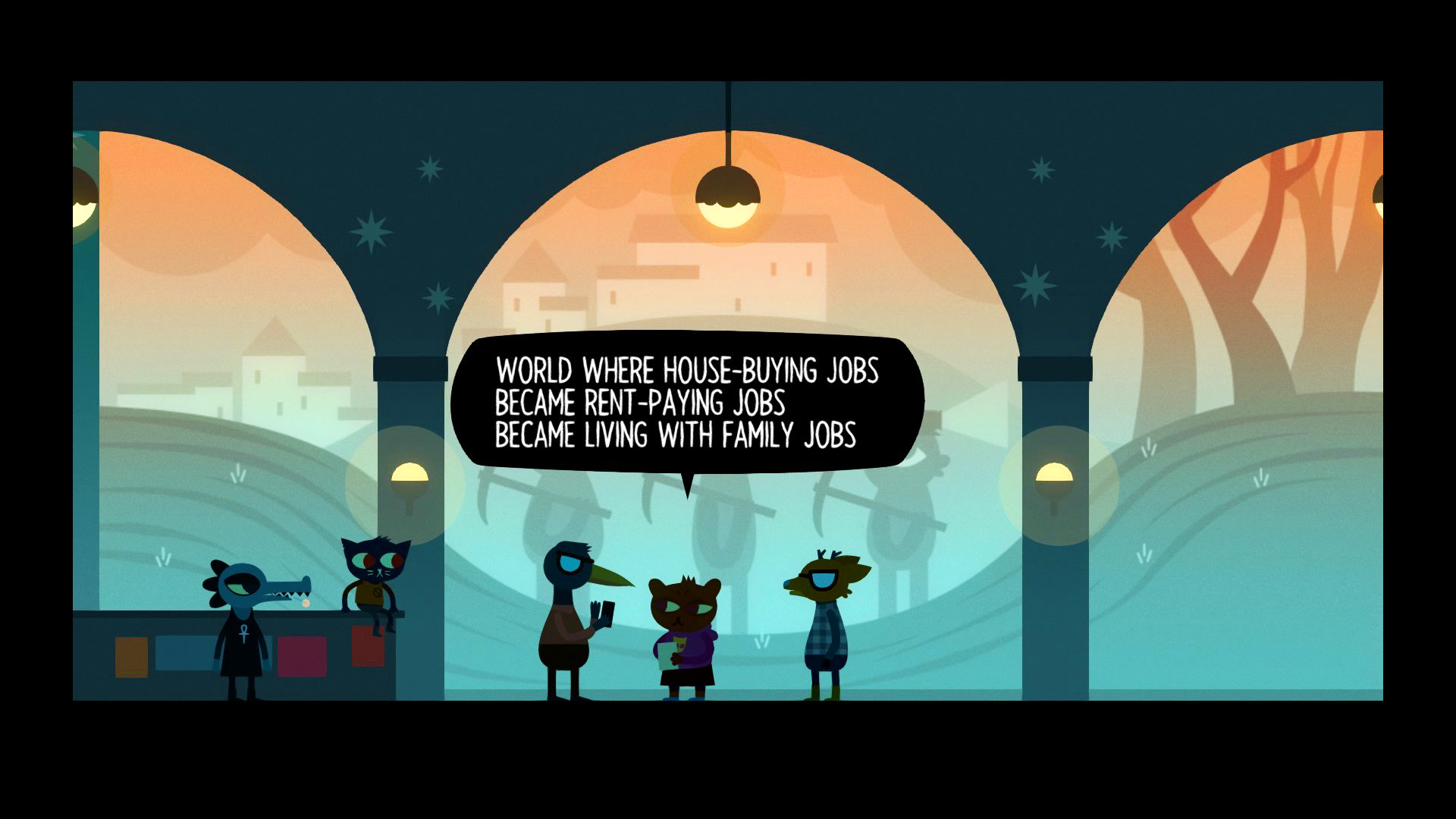
I maintained my sanity during the pandemic by spending time outdoors in abandoned places. Some of these places exist in the real world, but most were virtual. One of my favorite haunts has been Possum Springs, a depopulated town in western Pennsylvania that serves the setting of the 2017 story exploration game Night in the Woods.

In Night in the Woods, you play as Mae, an anthropomorphic cat who has dropped out of college and moved back to Possum Springs to live with her parents. With no job and nothing better to do, Mae decides to investigate the disappearance of several local children. It turns out that there is a monster living in the abandoned mine tunnels under Possum Springs, and a cult of town residents has been feeding young people to this creature in return for a promise that it will prevent the town’s economic decline. When Mae and her friends catch the cult in the act of sacrificing one of its own members, its leader tells the group of teenagers that these rituals aren’t easy for them, especially now that they’re getting older. It’s time for a new generation to take over and ensure the prosperity of Possum Springs, however modest this prosperity might be.

Mae and her friends don’t join the death cult, of course. They escape from the monster, and the mine tunnels collapse and trap the remaining cult members underground. At the end of the game, Mae reflects that what she’s taken away from this experience is the conviction that, if there is no benevolent higher power in a hostile universe, then she and her friends will have to help each other while doing the best they can for themselves and their community.

The elements of cosmic horror in Night in the Woods are genuinely creepy, especially during Mae’s interactive nightmare sequences, but the purpose of the cult is to serve as a thematic juxtaposition to the true terror of Possum Springs, a large and impersonal set of interlocking systems that collectively exploit hardworking but vulnerable people – namely, capitalism.

Mae’s parents are afraid of losing their house to the bank because of an usurious mortgage they took out to finance Mae’s college tuition, and entire neighborhoods in Possum Springs are filled with repossessed, unsold, and subsequently abandoned buildings. The pastor of the local church wants to open a shelter for the newly homeless and the railroad drifters who camp out in the forest next to town, but she fails to obtain a permit from the city council due to concerns that lowering the property values in the neighborhood will fatally disrupt an already struggling real estate market.

The horror of an absurd and uncaring universe in Night in the Woods has very little to do with the unfathomable monster lurking in the mine tunnels, although the cult of older people who sacrifice members of younger generations for the vague promise of being able to sustain an imagined standard of living comes uncomfortably close to allegory in the wake of the 2016 American presidential election. Forces beyond our control and comprehension are indeed destroying individual lives and modestly thriving communities, but these forces are nothing as quaint as a stygian tentacle beast that eats children.

According to Scott Benson, the lead writer and artist of Night in the Woods, Possum Springs is located in western Pennsylvania just outside of Pittsburgh. This situates the town in the Rust Belt, an economically depressed region stretching around the Great Lakes from Buffalo to Detroit. The cities in the Rust Belt were centers of American manufacturing until the 1980s, when international free trade agreements incentivized companies in sectors like natural resource extraction and the automotive industry to outsource materials and labor. Formerly bustling mines and factories closed, resulting in a dramatic decline in population that in turn resulted in the bankruptcy of many smaller businesses.

It’s currently possible to accrue a sizeable following on social media by posting urban exploration photos of shuttered factories and other ghostly relics of infrastructure, such as empty schools, hospitals, movie theaters, and shopping malls. There’s a certain poetic charm in high-contrast photos of healthy green weeds stretching up through the cracks of ash-gray concrete and leafy vines twining around rusted iron support pillars. Images of the remains of modern civilization devoid of human presence provide fertile ground for the imagination to run wild.

Night in the Woods denies its players the solitary pleasures of urban exploration, however. As a dialog-driven game, its story can’t be advanced unless the player participates in conversations with various people around Possum Springs. As the you learn more about the town, you begin to understand the problems experienced by its inhabitants, which range from poverty to alcoholism to severe depression. At the same time, you come to appreciate the people who care about each other and want to do right by their community even despite the financial and emotional burdens they carry.

Night in the Woods suggests that the fractures in the community cannot be repaired by any given individual action, like “going to college” or “owning a home.” Rather, the problem lies in the larger economic forces that steamroller over working-class people in small towns. None of the characters Mae interacts with are stupid or unaware of what’s happening, but most of them don’t have the agency to make any real choices about their lives.

Night in the Woods features a number of optional sidequests that tell an ongoing story about the historical tension between the former mine owners and the labor unions in Possum Springs, and it’s clear that the working conditions for miners were deplorable. The mines closed at least a decade before the story begins, but the labor of the workers in Possum Springs is still exploited. Mae’s father, who was laid off from his job at a small factory, now works at a large supermarket by the highway that forced the local grocery store in Possum Springs to be shut down. At the end of the game, Mae’s father considers starting a labor union at his workplace, which pulls money out of the local economy without benefiting the town or its people.

The game’s presentation of unions isn’t entirely positive, however. As Mae’s friend Bea explains, the unions are male-dominated, and homosocial labor solidarity lends itself to an atmosphere in which overt sexual harassment is swept under the rug. Mae’s friend Selmers, who started writing poetry for the rehab program she entered after becoming addicted to pain pills while working at the local pharmacy, performs a reading of an incredible piece about how even unionized jobs are becoming unsustainable in the face of global capitalism.

Night in the Woods is ultimately about accepting uncomfortable realities while moving forward and finding friendship and community in difficult times and circumstances. The game isn’t just a protest against the violence of the global neoliberal capitalism that destroys local economies; it’s a model of resistance on a small and personal scale, as well as an argument for the quiet beauty of allowing outdated structures to fall gently to ruin.

Small town life isn’t for everyone, but neither is building a community from scratch in a big city. If nothing else, it’s good to have choices. The gameplay of Night in the Woods is centered around making choices, and the choice Mae and her friends make is to bury the monster in the mine, sacrificing short-term gains for long-term stability.

Although Night in the Woods is set in the days leading to and following Halloween, its advocacy for regrowth and positive change is a welcome message as society gradually begins to recover from the effects of the pandemic. If nothing else, Possum Springs is a great place to find surreal and spooky chills, and Mae’s homecoming is a crash course on how to make conversation with other people in real-world places that will be hopefully be not so abandoned in the future.

. . . . . . . . . . . . . . .

This essay was originally published on May 18, 2021 in Entropy, a digital magazine about the fringes of art and culture. Entropy closed its website in late 2022, and I am reproducing this publication with the kind permission of the editors.

Strange Tales and Modern Legends

This semester I taught a seminar called “Japanese Ghost Stories.” (You can find links to the syllabus and course materials here.) A major element of this class was our study of how folkloric traditions have influenced literature. My specialty is contemporary fiction, so we spent a good amount of time talking about what urban legends are and how they work.

I believe that urban legends have the following three characteristics:

First, these stories are specific to a time and place, and they’re generally tied to a specific person as well. This person is someone known to the storyteller, and they’re either a reliable source of information or a direct witness to the event or phenomenon in question.

Second, the story is understood to be “real” and therefore nonfiction. In fact, it often isn’t much of a story at all. Unlike creepypasta, which is shortform fiction, the characters in an urban legend don’t have interiority, and they’re often not attributed with motivation. Rather, the story is stated as a simple fact. At the core of these stories is a statement like “you’ll die if you eat [a certain type of candy] mixed with soda” or “a child was once murdered in [a certain department store] bathroom.” The purpose of additional details is to add authenticity.

Third, urban legends almost always have a cautionary element, and the unfortunate events of the story are related to social and cultural anxieties. These fears tend to be politically sensitive and thus can’t be discussed openly, so urban legends function as a sort of pressure release valve. In the United States, for example, a lot of urban legends reflect racial tensions, while there are a lot of urban legends about bullying and social ostracization in Japan.  

This isn’t really a defining characteristic, but I find it interesting that an urban legend need not necessarily be untrue. Rather, the act of making something into a “story” adds an element of speculation. This means that, even though the story is stated as fact, both the teller and listener understand that the veracity of this fact is debatable. In other words, the story could be true, but both parties acknowledge that there’s no way to prove it.

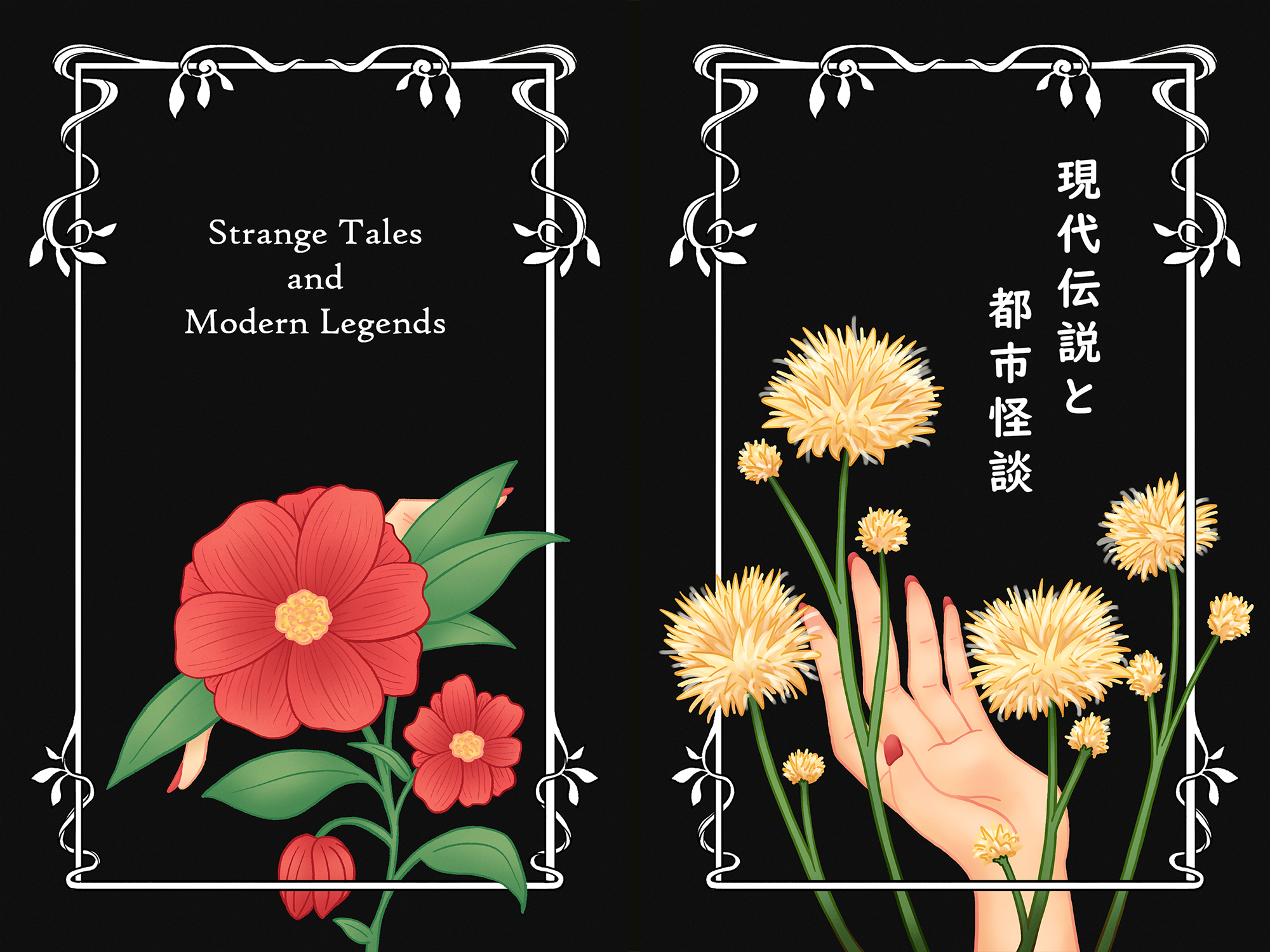
Having provided the students with these criteria and a number of examples to use as potential templates, I asked them to write their own urban legends. I was absolutely blown away by the work they submitted. I promised that I wouldn’t spread their stories outside of class, but I decided to make a class zine so that they could share their work with each other. The image at the top of this post is the cover I created for the zine, which ended up being a 76-page book.

I like to think that Alvin Schwartz and Stephen Gammell would be proud.

Quiet Haunting

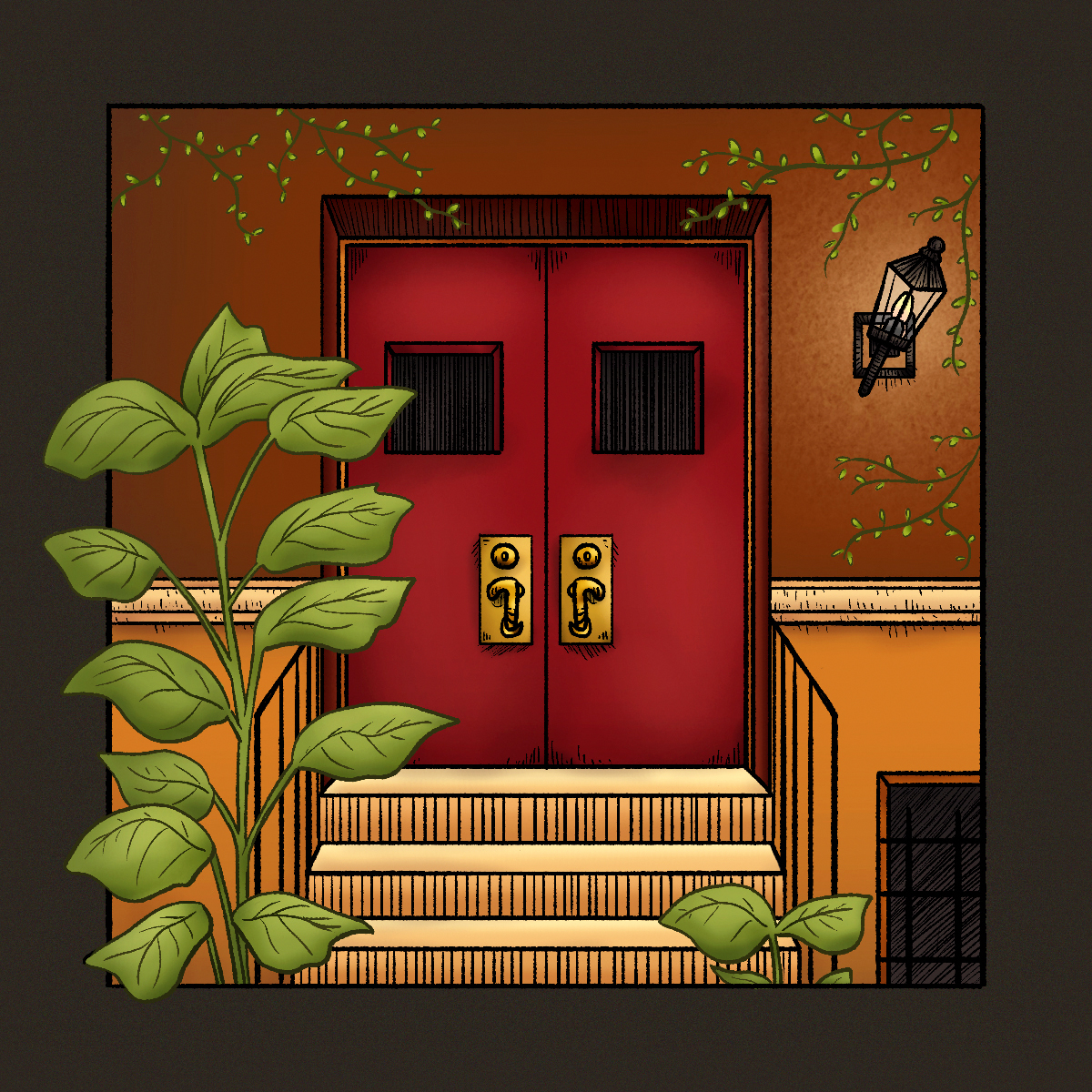
I moved to South Philadelphia toward the end of the pandemic. My landlord raised the rent, and it was cheaper just to buy a house. Granted, it’s not a big house, nor is it particularly nice. The floors are uneven, and the ceiling sags. The kitchen is like the set of an old movie, and the basement is infested with centipedes. But it’s affordable, and it’s quiet, especially since no one lives next door.

I’ve recently started to hear things moving on the other side of the townhouse wall. The noises aren’t loud, nor are they frequent. It’s mostly soft shuffling and light tapping, usually right before dawn and just after dusk. To make matters even more curious, someone has been watering the plants in the house’s back yard. Two leafy fig trees have grown from small sprouts to extraordinary heights over the summer.

Earlier this evening, I noticed that the house’s back door was open. It was just a crack, as if someone had forgotten to close it. The opossums that live in the alleyway will come inside and eat your trash if you let them, so I figured I’d be doing someone a favor if I closed the door. I climbed over the crumbling cinderblock wall and maneuvered through the foliage. When I put my hand on the knob, the door surprised me by swinging open.  

There was nothing inside, just uneven floors and sagging ceilings like my own, but I could hear a beeping sound emerging from the basement. I peeked down the stairs, where I saw an older man in a colorless cardigan sweater sitting on a metal folding chair. He was flipping through an issue of National Geographic that he’d taken from a cardboard box filled with old magazines.

I froze in alarm, but he looked up and met my eyes before I could back away. “I’m sorry to bother you,” I apologized. “I live next door, and I heard the beeping. I was worried something was going to explode.”

“It’s fine.” He shrugged. “It’s just an oven timer. I figured I’d give it a few more minutes, but I might as well turn it off.”

I felt awkward, like I couldn’t just leave, so I asked him why he was sitting in the basement with an oven timer.

“They pay me to look after the place,” he answered. “You know, rattle a few chains, make some thumping noises in the night. Feed the spiders, maybe put a bloody handprint on the window. That sort of thing. It keeps the property values down.”

I realized that I could see the back of the chair through the man’s sweater. This didn’t bother me as much as you’d think it would. I’d seen stranger things in the neighborhood, and the man seemed nice enough.

“I haven’t really heard anything from next door,” I admitted. “Do you want me to be more scared?”

“Don’t sweat it. They’re not paying me much, and I haven’t gotten a raise in years. My heart’s just not in it these days.” With a sigh, he closed the magazine and tossed it back into the box before disappearing in a thin wisp of smoke.

I left the basement, closing and locking the door behind me before returning to my own house. I guess the post-pandemic economy has been tough for everyone. All things considered, I don’t mind living next door to a haunted house. Like I said, it’s affordable, and it’s quiet.

. . . . . . . . . . . . . . . . . . . .

This illustrated short story was originally published in the Philly Zine Fest 2022 Anthology. This year’s Philly Zine Fest was held at Temple University on Saturday, November 5. Despite a giant political rally happening right across the street that afternoon, it was a very chill and relaxed event with lots of good vibes and creative energy. It’s been my dream to table at the Philly Zine Fest for years, and it was just as amazing as I hoped it would be. Here’s to many more celebrations of independent artists and writers in years to come! If you’re interested, you can find the Philly Zine Fest website (here), and it’s definitely worth checking out their parent organization, The Soapbox Community Print Shop & Zine Library.

Spooktober Fifteen Day Challenge

I’m thrilled that my work has been published in The Oracle‘s first issue, an anthology of horror-themed flash fiction and art. My piece, “Spooktober Fifteen Day Challenge,” is a creepy little story told in the form of a cursed social media game.

I recently read an article in Rolling Stone (this one right here) about the Momo Challenge, and this Halloween-themed story is inspired by the idea that a monster might prey on children through a series of social media challenge prompts. Although the format is nontraditional, my goal is for the reader to gradually get a sense of the loneliness and anxiety of the “you” to whom the prompts are addressed. 

The “Fright Flash” issue of the zine is very short, but it’s lovely to look at and quite spooky. If you’re interested, The Oracle is (here) on Twitter, and you can download a free digital copy of the “Fright Flash” issue via Google Drive (here).

Fruiting Bodies Review on WWAC

I recently had the honor of writing a review of Ashley Robin Franklin’s graphic novella Fruiting Bodies for the website Women Write About Comics. Here’s an excerpt:

Franklin joins Silvia Moreno-Garcia and Jeff Vandermeer in the pantheon of contemporary writers and artists who have celebrated the uncanny invisible world that stretches deep below our feet and proliferates in the warmth of our bodies. Classical botanical horror has its roots in concerns over cultural hybridization, but Fruiting Bodies resists the genre’s Victorian anxieties in favor of a probing exploration of the primal fears surrounding the collapse of bodily autonomy. In the end, Franklin suggests, human social distinctions of gender and sexuality are meaningless to a natural world that devours everyone equally.

You can read the full review (here), and you can find the book’s page on Silver Sprocket’s website (here). You can follow Ashley Robin Franklin on Instagram (here), and I also recommend checking out her other short comics on her Etsy store (here). As always, I want to acknowledge the good work of my patient and brilliant editor, whom you can follow on Twitter (here).

Decomposition: Tales of Botanical Horror

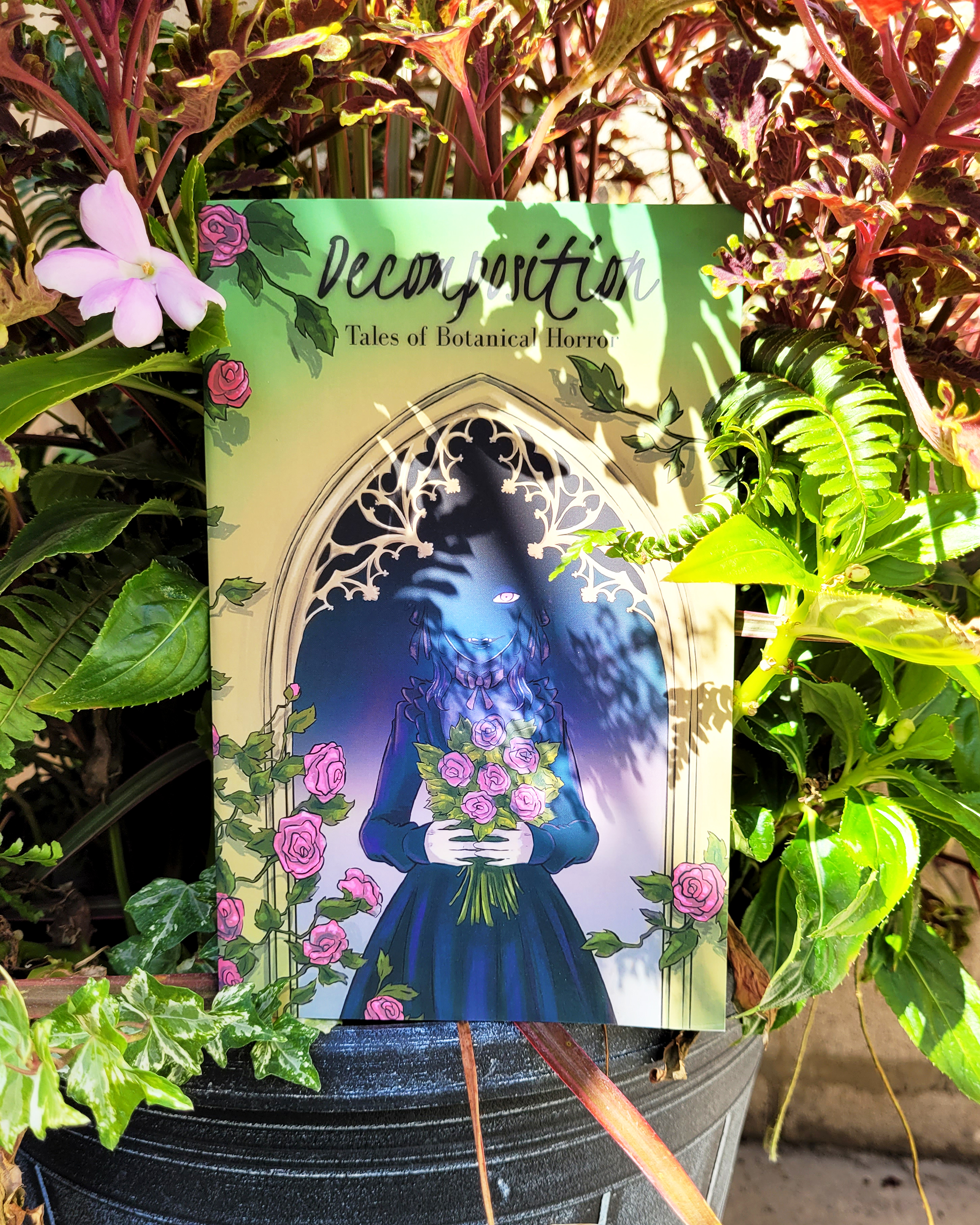
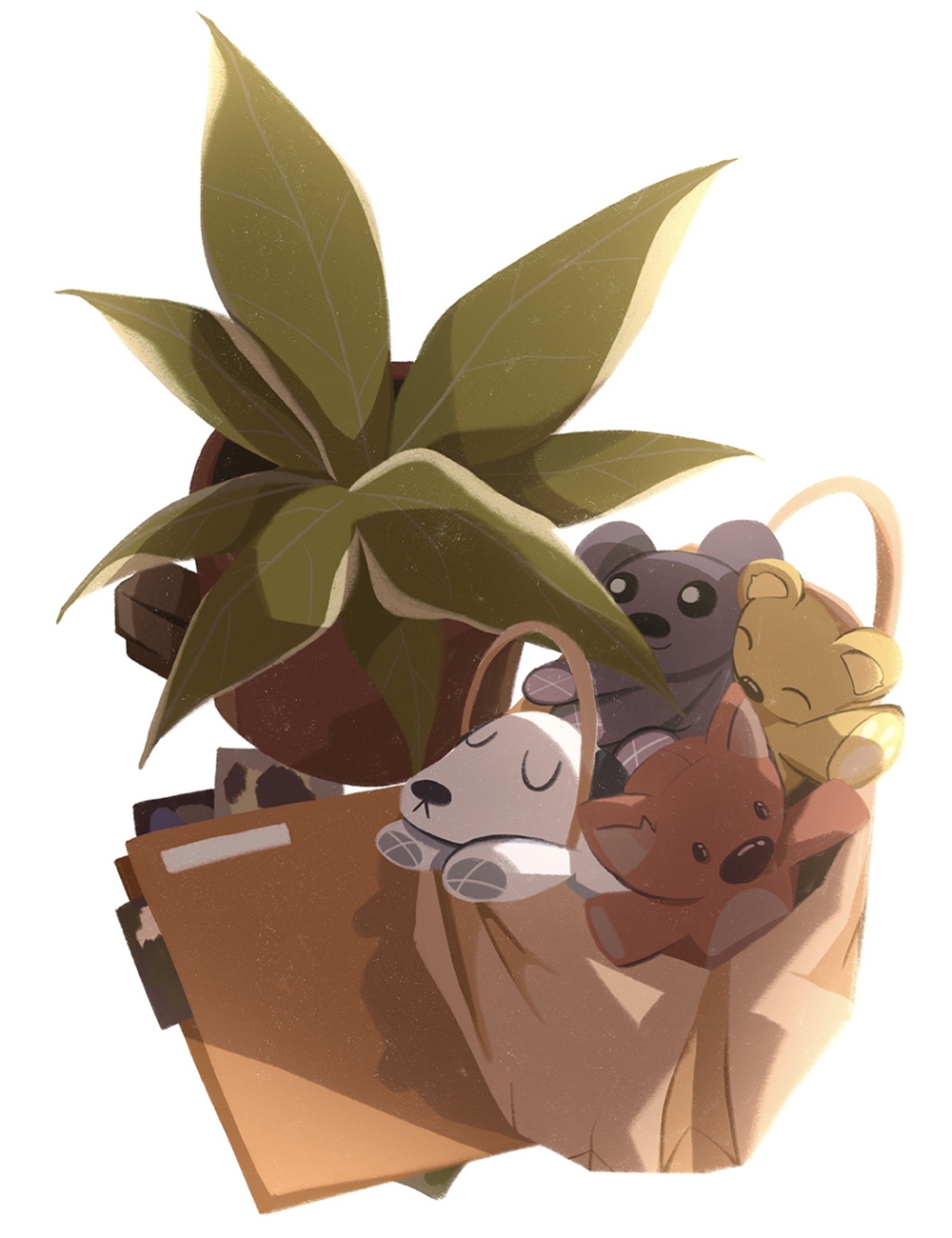
My newest short fiction zine, Decomposition, collects six short stories of botanical horror and dark fantasy. It features a number of guest artists and spot illustrations, as well as a gorgeous cover created by the botanical art wizard Frankiesbugs. I’ve listed the zine on Etsy (here) if you’re interested.

The past few years have been tough for me. It’s become somewhat taboo in American culture to admit that the pandemic wasn’t the best thing to ever happen to you, so the less said about this the better.

I have to admit that I’m a gremlin who doesn’t really care about germs, but for a while I found it very difficult to relate to other people. I didn’t want to see other human beings at all if I could help it. This is why, after I moved to Philadelphia, I started spending a lot of time wandering around abandoned spaces.

Philadelphia is a fun and interesting city with a steadily growing population and multiple vibrant local cultures, and I find it annoying when people take pictures of a normal street or an early-morning empty parking lot and tag their photos as “urban decay” on social media. That’s just rude. Still, I think it’s easier to get funding to build new construction than it is to repair existing structures, so there’s a surprising density of ruins and wild spaces in and around Philadelphia.

What surprised me while walking around the emptier areas of Philadelphia is just how quickly most architecture returns to nature. Maybe stone castles and granite walls and asphalt roads can last for centuries without maintenance, but a normal house or Burger King or whatever is going to last for one or two decades at most. It’s only going to take about five years before the roof goes; and then, once the water damage gets started, that building is finished. The shell of the walls becomes its own little ecosystem, with plants pushing up through the brick and concrete. In Philadelphia, fig trees and sumac shrubs grow wild just about everywhere, providing food and shelter for insects, birds, and larger animals like opossums and raccoons.

On one hand, it’s lovely to see these pockets of green in postindustrial urban areas. On the other hand, it’s a bit creepy how aggressive plants are in taking over space formerly occupied by people. If you think about it, plants have been on this earth for hundreds of millions of years, and they will remain here long after the last human draws its final breath. Their green dreams are beyond our comprehension as their roots silently feed on the soil of our bodies. Plants are forever growing and forever hungry, and they’ll take everything back from us eventually.

Fright! Horror Zine Preorders Open

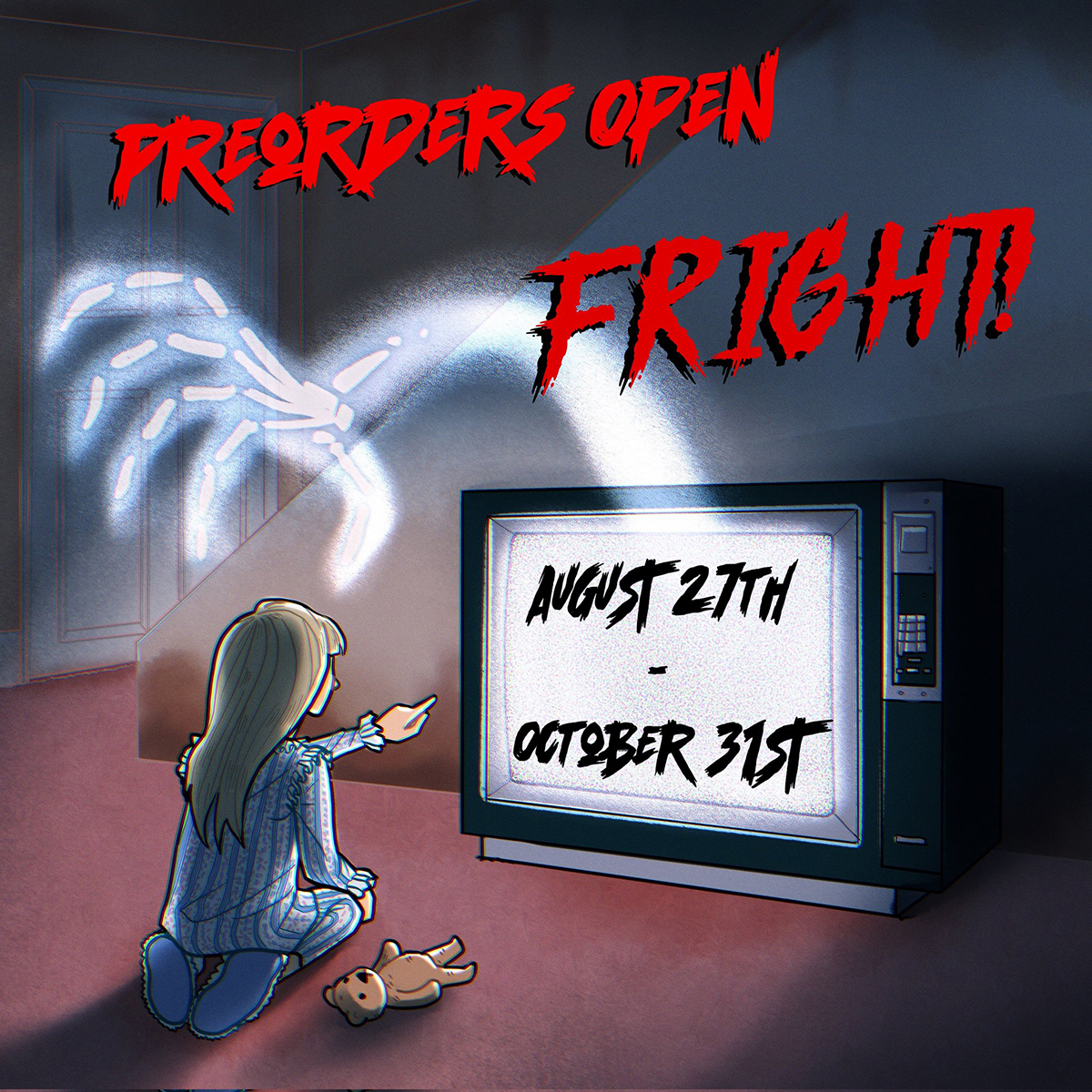
Fright, a classic movie horror zine, has opened preorders!

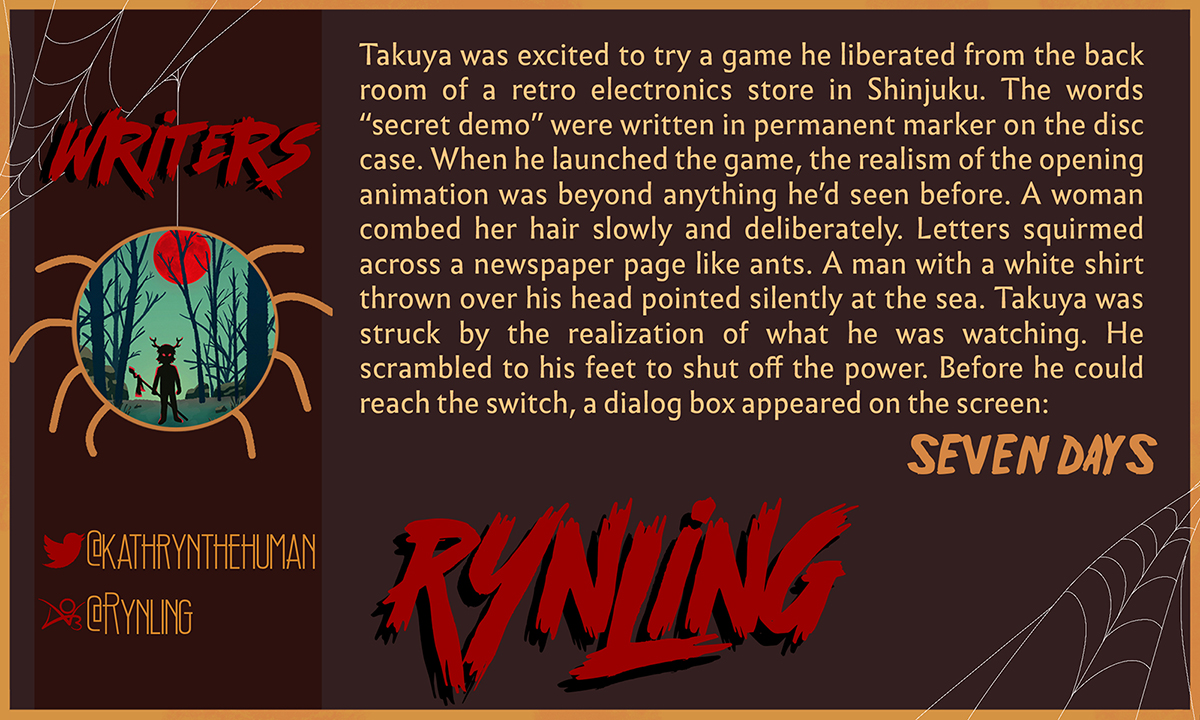
I contributed a story called “The Girl in the Screen at the End of the World,” which is about Sadako from Ringu picking off the last humans to survive the collapse of society. The story gradually comes together through vignettes narrated from the perspectives of different characters, all of whom encounter Sadako’s curse in unexpected ways. Some of these characters actually seek her out, as it’s always good to have a friend to help you deal with the end of the world. If you’re interested, you can check out the zine through these links…

💀 Carrd: https://frightzine.carrd.co/
💀 Twitter: https://twitter.com/frightzine
💀 Bigcartel: https://frightzine.bigcartel.com/

What Should We Do With Your Body?

I contributed a story called “What Sadie Didn’t See” to What Should We Do With Your Body?, an original collaborative murder mystery zine that’s free to download on Itchio (here).

“What Sadie Didn’t See” is a story about the things people throw away. Sadie is the manager of a custodial agency in the isolated town of Rosewater, where the body of a young man named Gabriel has been discovered in an abandoned mining tunnel. Gabriel was the son of the wealthiest family in town, and Sadie’s agency services their manor, just as they handle many of the other notable buildings in town. It’s possible that Sadie may have an important clue concerning what happened to Gabriel, but she has a longstanding habit of remaining silent about what the town residents don’t want to be seen.

I worked for a custodial agency in Atlanta during my first two years of college, and Sadie is based on my manager, a cheerful but no-nonsense woman who liked to say that the most important element of the job is discretion. My manager was kind and supportive to everyone who worked with her, so it was important to me to establish Sadie as a respected member of her community with ties to just about everyone. Although Sadie’s decision at the end of the story may be questionable, I hope it makes sense to the reader why she values the wellbeing of the living and the dignity of the dead over the success of the ongoing police investigation into Gabriel’s disappearance and probable murder.

I’m honored that my story opens the zine, and I hope it provides an intriguing introduction to the town of Rosewater and the secrets of its inhabitants. I’m equally honored to have received a character illustration by ZombieGaby, as well as a story spot illustration by Taymets. The focus of the zine is on the stories told by the characters, but the pages are filled with gorgeous art and graphic design. If you’re a murder mystery fan, or perhaps a connoisseur of Stephen King style peculiar little towns, please consider checking out the What Should We Do With Your Body? zine.

🟠 You can download the zine for free on Itchio (here).
🟠 You can follow Vinegar Zines on Twitter (here).
🟠 You can follow ZombieGaby on Instagram (here).
🟠 You can follow Taymets on Twitter (here).