The Best Witch of Her Generation

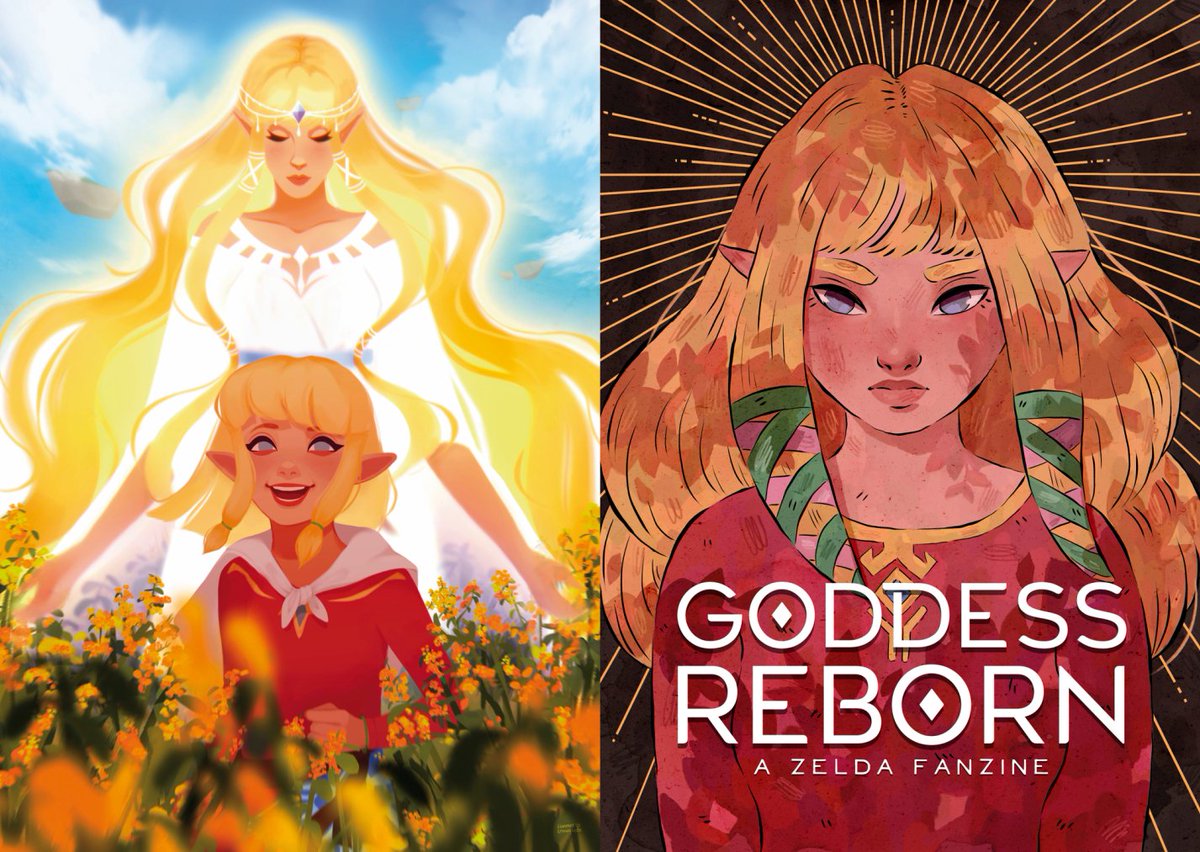
I’m excited to share another short story I wrote for Goddess Reborn, fanzine celebrating the female (and nonbinary!) characters of the Legend of Zelda series. You can download a free digital copy of the zine on Itchio (here), and you can read my full story on AO3 (here).

A Link Between Worlds is one of my favorite games in the Zelda series, mainly because I find the characters so charming. I’m especially fascinated by the figure of “someone who wants to be a hero but isn’t the fated Chosen One,” a character trope the series plays with but never fully explores. Groose from Skyward Sword is a good example, as is Ganondorf from The Wind Waker. There are several such characters in A Link Between Worlds, and Irene is my favorite.

Irene is the granddaughter of the Potion Witch, and she serves as the game’s fast-travel mechanic by flying Link around on her broom. She seems to be modeled half on Hermione Granger – she calls proudly herself “the best witch of her generation,” a play on Hermione’s famous epithet – and half on Kiki from Kiki’s Delivery Service. Like Hermione, Irene sees herself as a hero; but, like Kiki, her character arc involves her journey to understand and acknowledge her own specific set of talents.

What I wanted to capture was a moment of Irene’s life in which she’s happy and confident of herself as the protagonist of her own adventure. Irene understands that what she’s doing is just as important as Link’s quest, and she’s absolutely correct. Although the player may see Hyrule through Link’s eyes, the female characters who surround and support him are absolutely vital to Hyrule’s history.

While writing this short story, I wanted to get as close to the tone of “early-reader fiction” as I could. I’m not used to this style of writing, so it was a fun challenge. I was aided immensely by the story’s illustrator, Leh Latte. Leh helped me with the diction and rhythm, as well as with structure and balance. She also showed me what it means to work with page formatting in mind. Although the story itself is short and simple, it’s the product of a few good conversations during a collaboration between me, Leh, and Aven Wildsmith, the zine editor.

Leh and Aven are both fantastically talented and creative people who work in a variety of media. You can find links to all of Leh’s social media accounts on her Carrd (here). Aven’s website is (here), and you can find links to all their socials on Linktree (here). And again, Goddess Reborn is free to download on Itchio (here). There’s a lot of love on every page, and this zine is really something special.
Decomposition: Tales of Botanical Horror

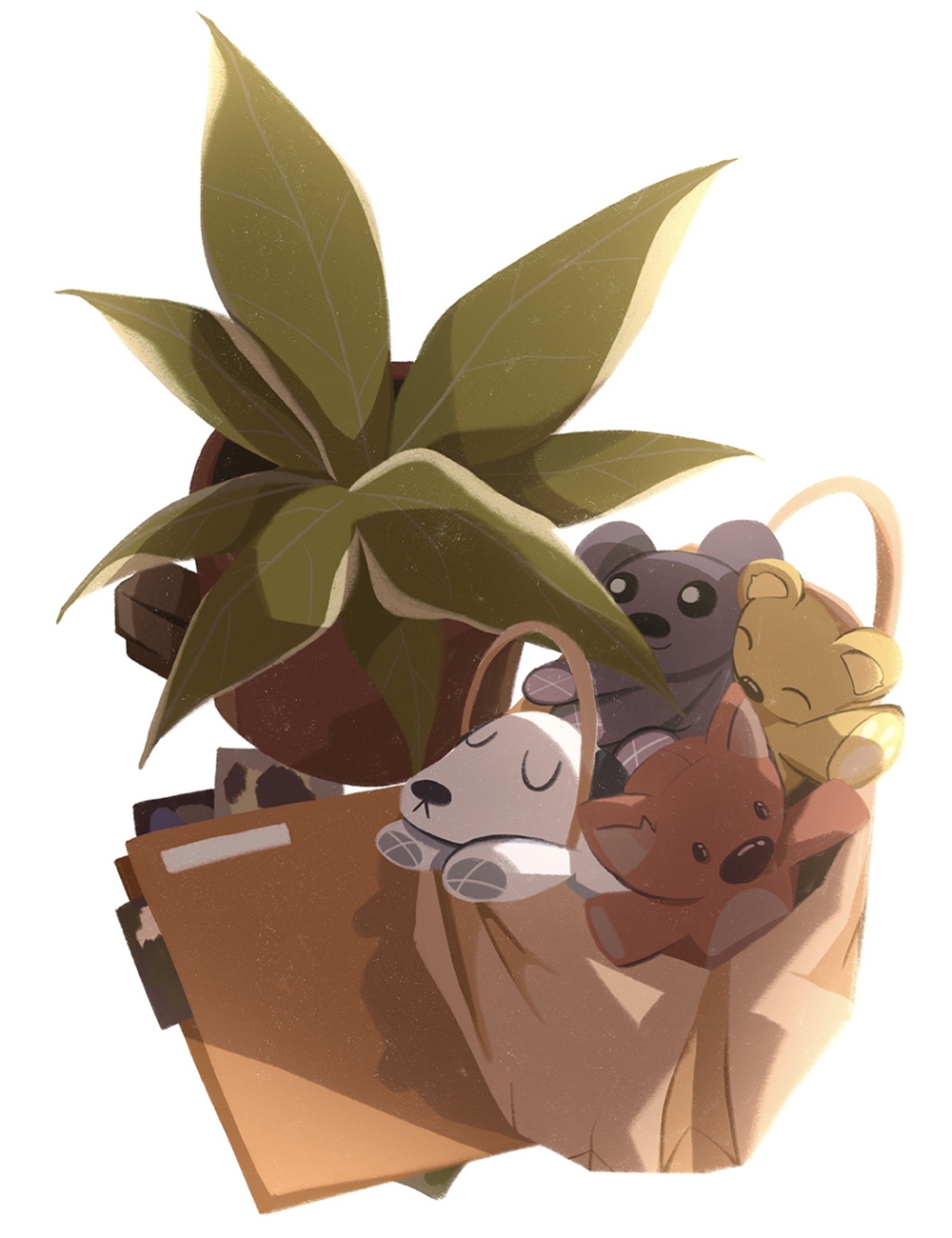
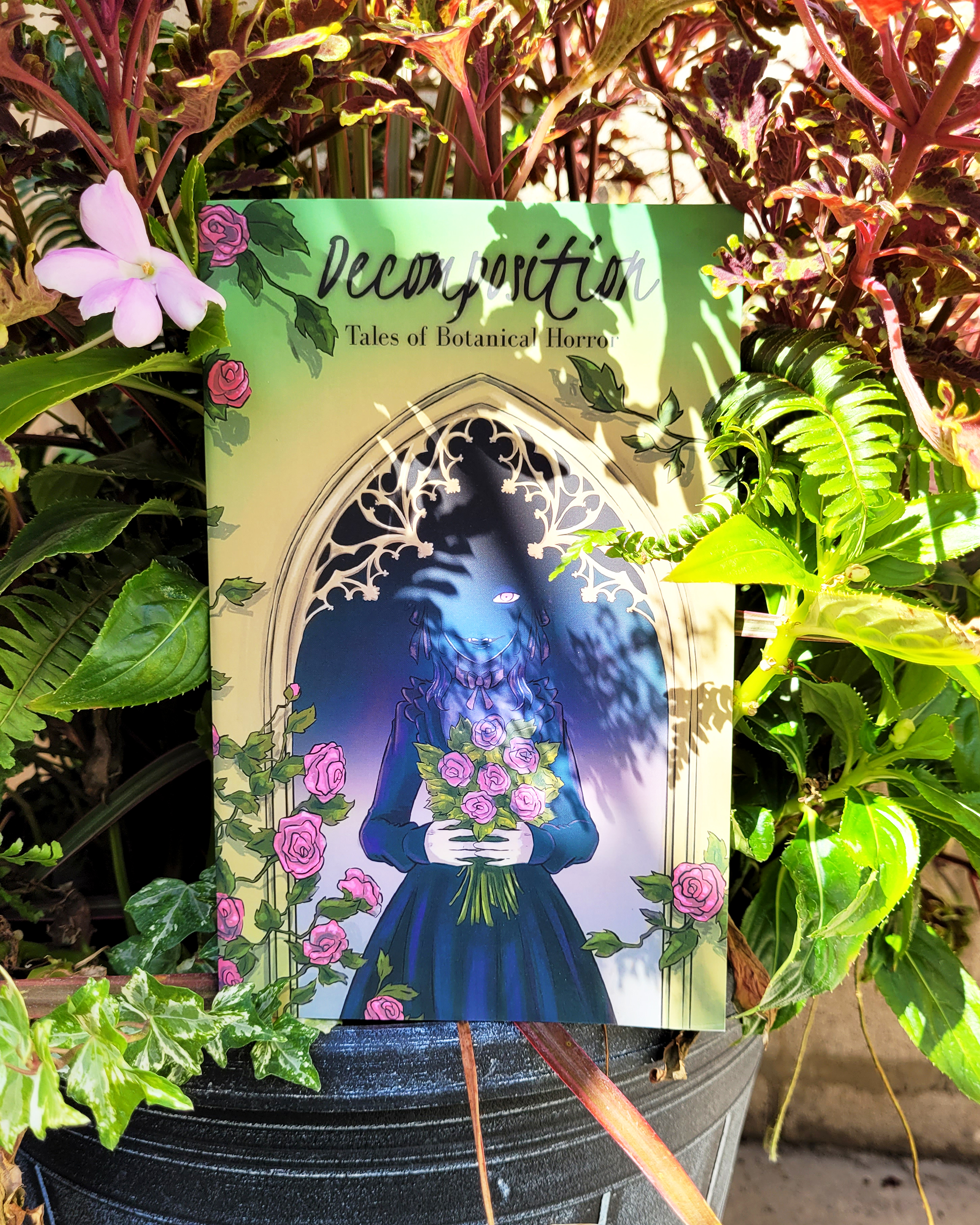
My newest short fiction zine, Decomposition, collects six short stories of botanical horror and dark fantasy. It features a number of guest artists and spot illustrations, as well as a gorgeous cover created by the botanical art wizard Frankiesbugs. I’ve listed the zine on Etsy (here) if you’re interested.

The past few years have been tough for me. It’s become somewhat taboo in American culture to admit that the pandemic wasn’t the best thing to ever happen to you, so the less said about this the better.

I have to admit that I’m a gremlin who doesn’t really care about germs, but for a while I found it very difficult to relate to other people. I didn’t want to see other human beings at all if I could help it. This is why, after I moved to Philadelphia, I started spending a lot of time wandering around abandoned spaces.

Philadelphia is a fun and interesting city with a steadily growing population and multiple vibrant local cultures, and I find it annoying when people take pictures of a normal street or an early-morning empty parking lot and tag their photos as “urban decay” on social media. That’s just rude. Still, I think it’s easier to get funding to build new construction than it is to repair existing structures, so there’s a surprising density of ruins and wild spaces in and around Philadelphia.

What surprised me while walking around the emptier areas of Philadelphia is just how quickly most architecture returns to nature. Maybe stone castles and granite walls and asphalt roads can last for centuries without maintenance, but a normal house or Burger King or whatever is going to last for one or two decades at most. It’s only going to take about five years before the roof goes; and then, once the water damage gets started, that building is finished. The shell of the walls becomes its own little ecosystem, with plants pushing up through the brick and concrete. In Philadelphia, fig trees and sumac shrubs grow wild just about everywhere, providing food and shelter for insects, birds, and larger animals like opossums and raccoons.

On one hand, it’s lovely to see these pockets of green in postindustrial urban areas. On the other hand, it’s a bit creepy how aggressive plants are in taking over space formerly occupied by people. If you think about it, plants have been on this earth for hundreds of millions of years, and they will remain here long after the last human draws its final breath. Their green dreams are beyond our comprehension as their roots silently feed on the soil of our bodies. Plants are forever growing and forever hungry, and they’ll take everything back from us eventually.

Fright! Horror Zine Preorders Open

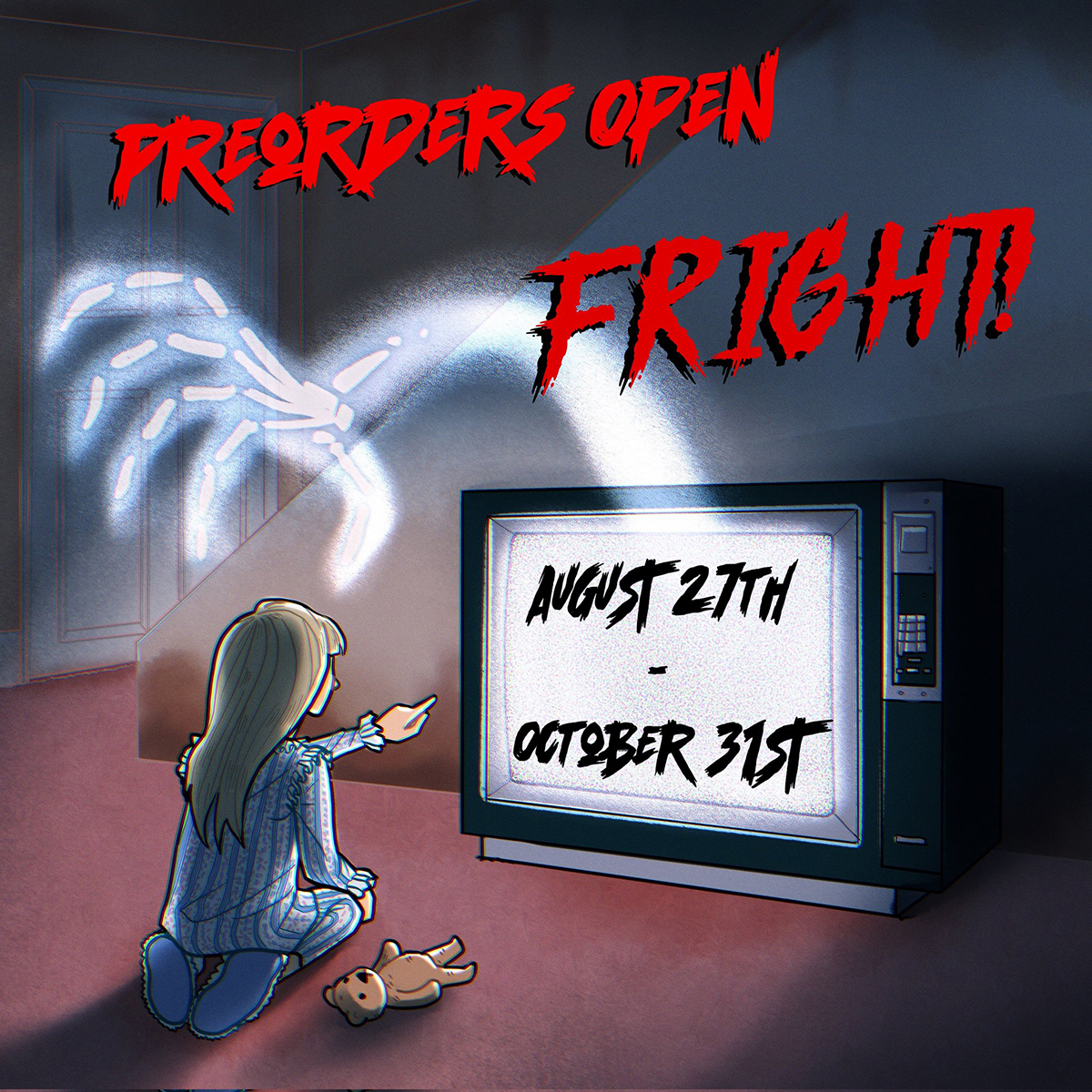
Fright, a classic movie horror zine, has opened preorders!

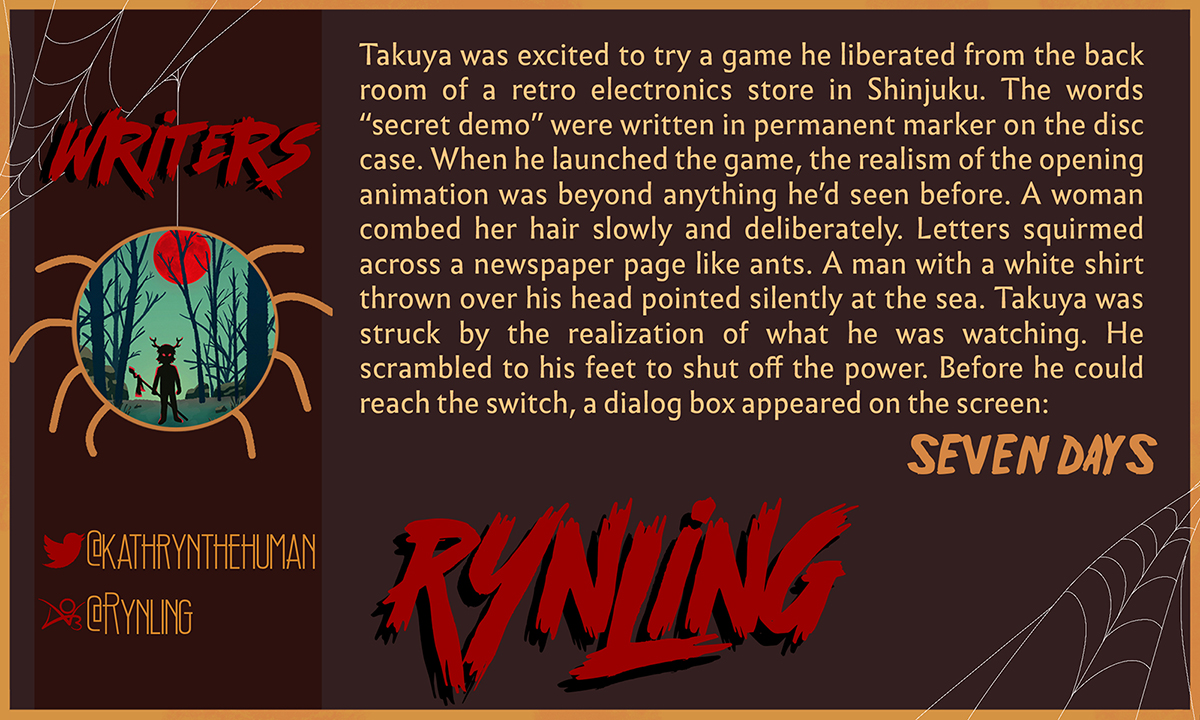
I contributed a story called “The Girl in the Screen at the End of the World,” which is about Sadako from Ringu picking off the last humans to survive the collapse of society. The story gradually comes together through vignettes narrated from the perspectives of different characters, all of whom encounter Sadako’s curse in unexpected ways. Some of these characters actually seek her out, as it’s always good to have a friend to help you deal with the end of the world. If you’re interested, you can check out the zine through these links…

💀 Carrd: https://frightzine.carrd.co/
💀 Twitter: https://twitter.com/frightzine
💀 Bigcartel: https://frightzine.bigcartel.com/

What Should We Do With Your Body?

I contributed a story called “What Sadie Didn’t See” to What Should We Do With Your Body?, an original collaborative murder mystery zine that’s free to download on Itchio (here).

“What Sadie Didn’t See” is a story about the things people throw away. Sadie is the manager of a custodial agency in the isolated town of Rosewater, where the body of a young man named Gabriel has been discovered in an abandoned mining tunnel. Gabriel was the son of the wealthiest family in town, and Sadie’s agency services their manor, just as they handle many of the other notable buildings in town. It’s possible that Sadie may have an important clue concerning what happened to Gabriel, but she has a longstanding habit of remaining silent about what the town residents don’t want to be seen.

I worked for a custodial agency in Atlanta during my first two years of college, and Sadie is based on my manager, a cheerful but no-nonsense woman who liked to say that the most important element of the job is discretion. My manager was kind and supportive to everyone who worked with her, so it was important to me to establish Sadie as a respected member of her community with ties to just about everyone. Although Sadie’s decision at the end of the story may be questionable, I hope it makes sense to the reader why she values the wellbeing of the living and the dignity of the dead over the success of the ongoing police investigation into Gabriel’s disappearance and probable murder.

I’m honored that my story opens the zine, and I hope it provides an intriguing introduction to the town of Rosewater and the secrets of its inhabitants. I’m equally honored to have received a character illustration by ZombieGaby, as well as a story spot illustration by Taymets. The focus of the zine is on the stories told by the characters, but the pages are filled with gorgeous art and graphic design. If you’re a murder mystery fan, or perhaps a connoisseur of Stephen King style peculiar little towns, please consider checking out the What Should We Do With Your Body? zine.

🟠 You can download the zine for free on Itchio (here).
🟠 You can follow Vinegar Zines on Twitter (here).
🟠 You can follow ZombieGaby on Instagram (here).
🟠 You can follow Taymets on Twitter (here).

Watching from the Shadows

I contributed a story about Impa and Princess Zelda titled “Watching from the Shadows” to Goddess Reborn, a zine celebrating the female characters of the Legend of Zelda series. You can check out the zine’s Twitter account (here), and you can read my story on AO3 (here). Here’s a short description of the story…

Impa prepares to train Princess Zelda as a Sheikah warrior during the year following the fall of Hyrule Castle. Zelda is tired of hiding and eager to fight, so Impa shares stories from the past to demonstrate that there is wisdom in waiting for the right moment to strike.

This spot illustration was created by the magical and marvelously skilled Frankiesbugs, whose sharp and deadly work can be found on Tumblr, on Twitter, and on Instagram.

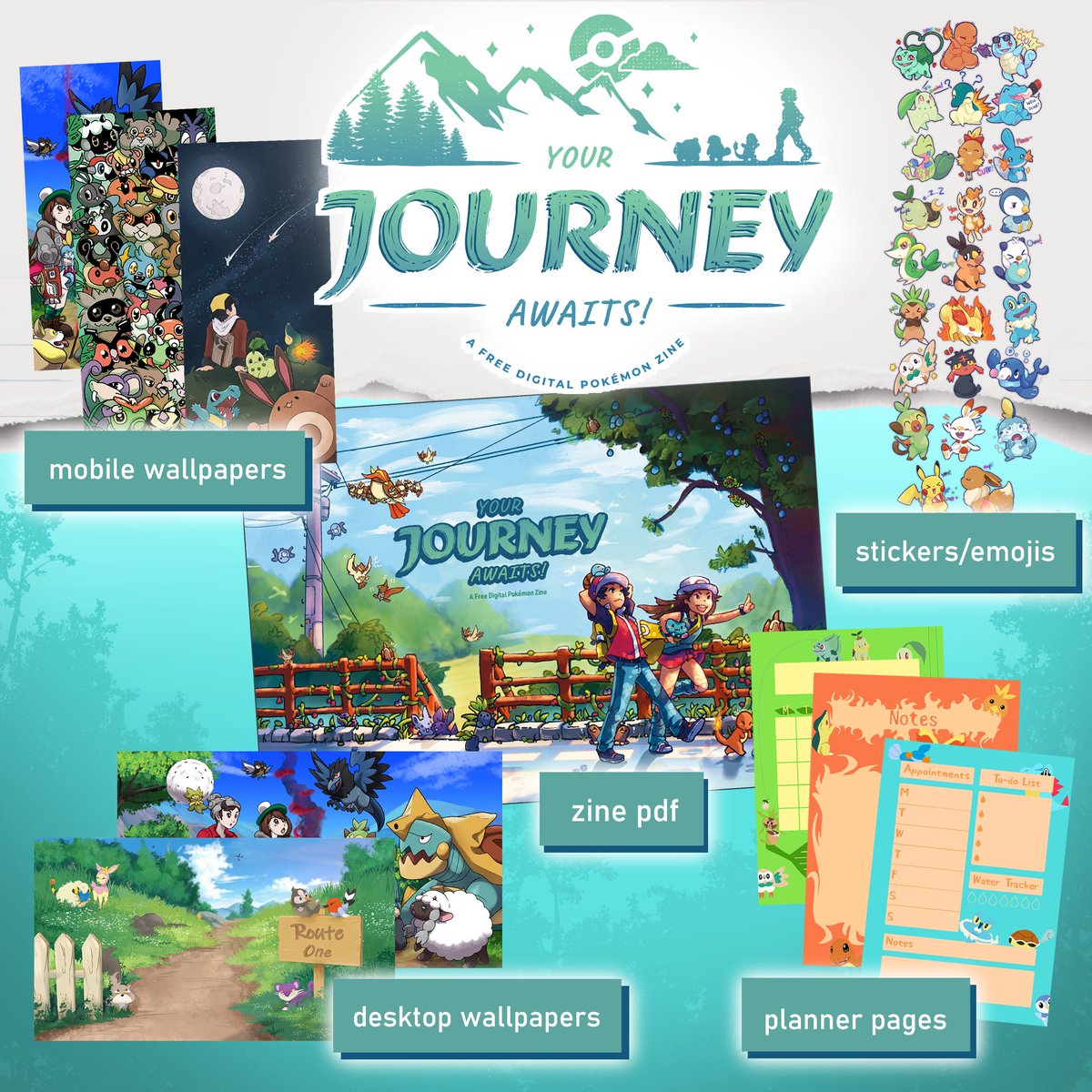
Your Journey Awaits! Pokémon Fanzine

I’ve spent the past several years in the Legend of Zelda fandom, but I have a deep and enduring love for the Pokémon series. Although I’ve taught classes and given conference lectures about Pokémon, I haven’t written fanfic about the series in years. When a few fandom friends announced that they were putting together a zine about the small towns where your avatar characters begin their journeys in the games, I was onboard.

The story I contributed to the Your Journey Awaits! Pokémon Fanzine is “The New Kid in Postwick,” which is about Sonia and Leon from Pokémon Sword and Shield. It’s about Sonia’s childhood in the small rural town of Wedgehurst, her friendship and rivalry with Leon, and the ambitions underlying her decision to set out as a young Pokémon trainer. Here’s a short description of the story…

Sonia has lived in Wedgehurst her entire life. Despite the beautiful nature and rich history of the area, she’s started to feel isolated from the wider world. Her anxieties are exacerbated by the boy who just moved into an old farmhouse in Postwick along with an exotic Charmander. Although he seems confident and carefree, Leon has problems of his own, and he’s ambivalent about moving to the country from Wyndon. Sonia and Leon gradually come to understand one another as they train together, and they seal their friendship by making a promise to venture out into the Wild Area together.

You can read my story on AO3 (here), and you can check out previews of the work appearing in the zine on its Twitter profile (here). The zine itself can be downloaded for free on Itchio (here). Along with a PDF of the zine, the download includes all sorts of fun digital extras like icons and wallpapers. The illustrations and stories are accessible to readers of all ages, so please feel free to share the zine with any younger Pokémon fans in your life!

The Role of Dōjinshi in Comic Fanzine Discourse

I’m looking forward to presenting at “Histories & Futures of Comics Communities,” the first academic symposium held in conjunction with the Toronto Comic Arts Festival. Here’s the abstract for my presentation…

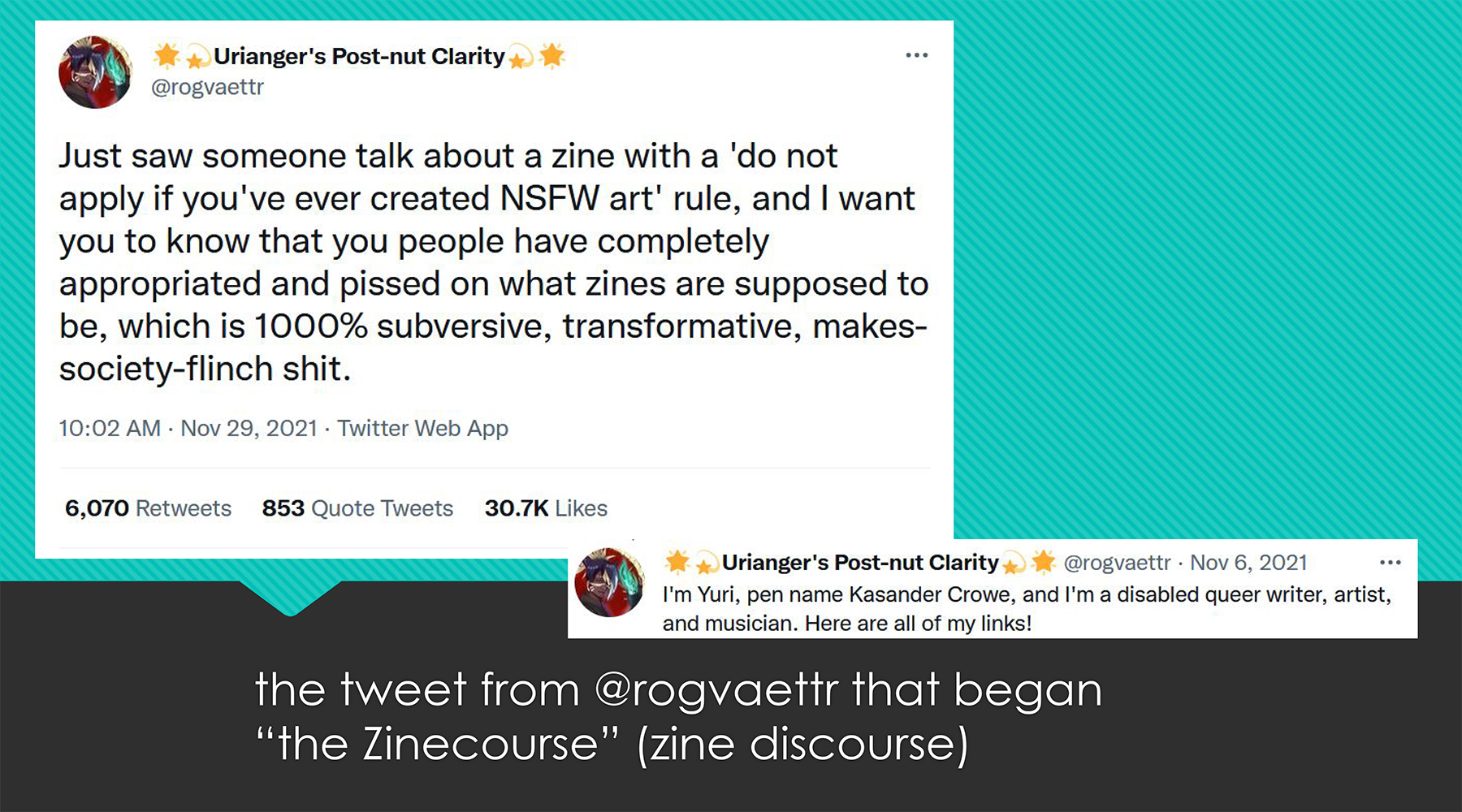
In December 2021, a conversation concerning the definition of the term “zine” unfolded on Twitter. This conversation arose from anxieties surrounding the recent rise of fandom zines that, while organized by amateur editors and limited in distribution, are nevertheless professionally printed and highly selective. Many comic artists lamented what they perceive as a betrayal of the DIY ethos of North American zine culture, while others have used quote tweets as a platform to remind their followers that anyone can make a zine.  

Surprisingly absent from this conversation is an examination of the largely separate zine cultures that have developed in parallel at comic festivals and anime conventions. Many exhibitors at local indie comic festivals continue to produce artistic but relatively low-budget personal zines. Meanwhile, exhibitors in the artist alleys of anime conventions have gravitated toward professional production methods for fanzines and associated merchandise, often taking advantage of the services of manufacturers based in East Asia.

I argue that contemporary North American anime fanzine culture has its roots in Japanese dōjinshi, which are typically created by aspiring and early-career creative professionals and tend to be manufactured by specialty presses that guarantee a high level of production quality. Dōjinshi-style fanzines spread to North America during the early 2010s via anime conventions hosted in cities on the western seaboard, particularly Los Angeles, Seattle, and Vancouver. While tracing this transcultural development, I will reflect critically on the tension between DIY zine counterculture and big-budget fanzines and address how neoliberal values have affected public conversations on amateur artistic production.

. . . . . . . . . .

The “Comics Communities” event takes place on June 17, the Friday before the TCAF. You can find the schedule (here). The main exhibit floor of the TCAF is completely free and open to the public, but registration for the academic symposium is limited and already completely sold out. Which is very exciting! The symposium organizer is a fellow contributor at Women Write About Comics, and I hope to be able to publish my paper there soon so that it’s accessible to anyone who’s interested.

ETA: My essay is now available on Women Write About Comics (here).

Goddess Reborn Zelda Fanzine

I’m excited to share a preview of the story I contributed to Goddess Reborn, a collection of art and fiction that celebrates the female characters of the Legend of Zelda series.

The zine is beautifully inclusive, and the amount of love that has gone into this project has been incredibly uplifting. I can’t wait for everyone to share their full pieces, but you can check out previews on Twitter (here) in the meantime. Preorders are open until May 31, and all proceeds go to international women’s charities.

✨ goddessreborn.etsy.com ✨

The End of the Line for the Shinra Corporation

Over the course of its expansive story, Final Fantasy VII changes direction and shifts focus but holds fast to the goal of saving the world from a crisis created by Shinra. Even if there were no interstellar demons or mad scientists, the Planet would never have survived were it not for a small group of activists who dared to challenge the most powerful corporation in the world…

I contributed a meta essay titled “The End of the Line for the Shinra Corporation” to the Return to the Planet fanzine, which celebrates the 25th anniversary of the original 1997 release of Final Fantasy VII. My piece is about how the game references the corporate critique and real-world grassroots environmental activism in Japan during the 1990s. The zine is filled with gorgeous artwork, stories, and nonfiction, and it’s free to download. You can read my essay on my Japanese fiction blog (here), and I also posted it on AO3 (here). You can check out the zine via these links:

🌿 https://twitter.com/ff7ogzine
🌿 http://whitemateria.net/ff7ogzine/
🌿 https://archiveofourown.org/collections/FF7OGZine

Carpe Noctem

Carpe Noctem: Vampires Through the Ages is an anthology of original art, comics, and historical fiction about vampires around the world. The backer campaign lasts until Saturday, December 11, and you can read about the project and order a copy of the book on Kickstarter (here). Carpe Noctem was fully funded in three days, and four stretch goals have been unlocked since then. You can check out contributor bios, merch illustrations, and previews of art and writing on the project’s Twitter account (here).

I’m contributing a short story about a Heian-period vampire titled “The Kumo Diary,” which follows a Meiji-era scholar’s assistant who discovers an old manuscript that she initially mistakes as a lost chapter from The Tale of Genji. Along with The Tale of Genji, I’ve drawn inspiration from Ryunosuke Akutagawa’s short story “Rashomon” and Fumiko Enchi’s eerie postwar novel Masks. In the excerpt above, you can see my homage to a fictional essay in Masks called “An Account of the Shrine in the Fields.” It was a lot of fun to write about Heian-period demonic women, and I also enjoyed doing research in order to put together the Meiji-period frame story. I’m very proud of the ending, and I hope readers will get a pleasant chill from the gradual transformation of the two narrators’ distinctive voices.

Carpe Noctem is scheduled to be published in August 2022. You can back the Kickstarter campaign to pre-order a copy of the anthology along with a collection of the dark and stylish merch created as a promotion. There’s a special NSFW zine and a bonus story told through a collection of physical documents that are exclusive to the Kickstarer campaign, so please check it out if you’re interested!