Strange Things Happen in Philadelphia

Strange Things Happen in Philadelphia collects six short pieces of weird fiction about the past, present, and near future of a city where anything can happen. Philadelphia is simultaneously filled with decaying ruins and vibrant cultures, and I see the stories in this zine as a celebration of those of us surviving and thriving during the slow collapse of the American empire. Nothing in these stories is real, of course, but I’ve drawn them from a deep well of local folklore and hearsay.

To tell the truth, I don’t actually know that many people in Philadelphia. I lived here for most of grad school but then moved away to chase various academic jobs. I returned during the pandemic, which wasn’t a great time to meet new people or reconnect with old friends. I’ve tried to apply to local writing groups and workshops but haven’t gotten anywhere (yet).

Don’t get me wrong – I’m fortunate to enjoy the support of various writing communities online. Still, my personal experience of Philadelphia has been mediated by long solitary walks through parts of the city that have a lot of abandoned buildings, many of which have fallen to ruin.

One of these areas is my own neighborhood of Point Breeze, which is a lovely place to live but also filled with decrepit warehouses and other abandoned properties. I myself live next door to a derelict funeral home, and I’m constantly reading threads on various Philadelphia reddit boards about the struggles of homeowners whose townhouses adjoin similarly abandoned buildings.

It’s worth emphasizing that Philadelphia is densely populated. In fact, one of the reasons I love living here is that there are always people on the street at all times of the day and night. In a lot of ways, Philadelphia reminds me of Tokyo. It’s an affordable city with a lot of history, culture, and potential…

…but that’s not really what these stories are about. As I edited this zine, I realized that it’s pervaded by a sense of loneliness. Not an unpleasant loneliness, but rather the unique perspective afforded to a stranger. When you’re alone, you end up seeing things that perhaps other people might miss, and that sense of strangeness is what I wanted to capture in this collection.

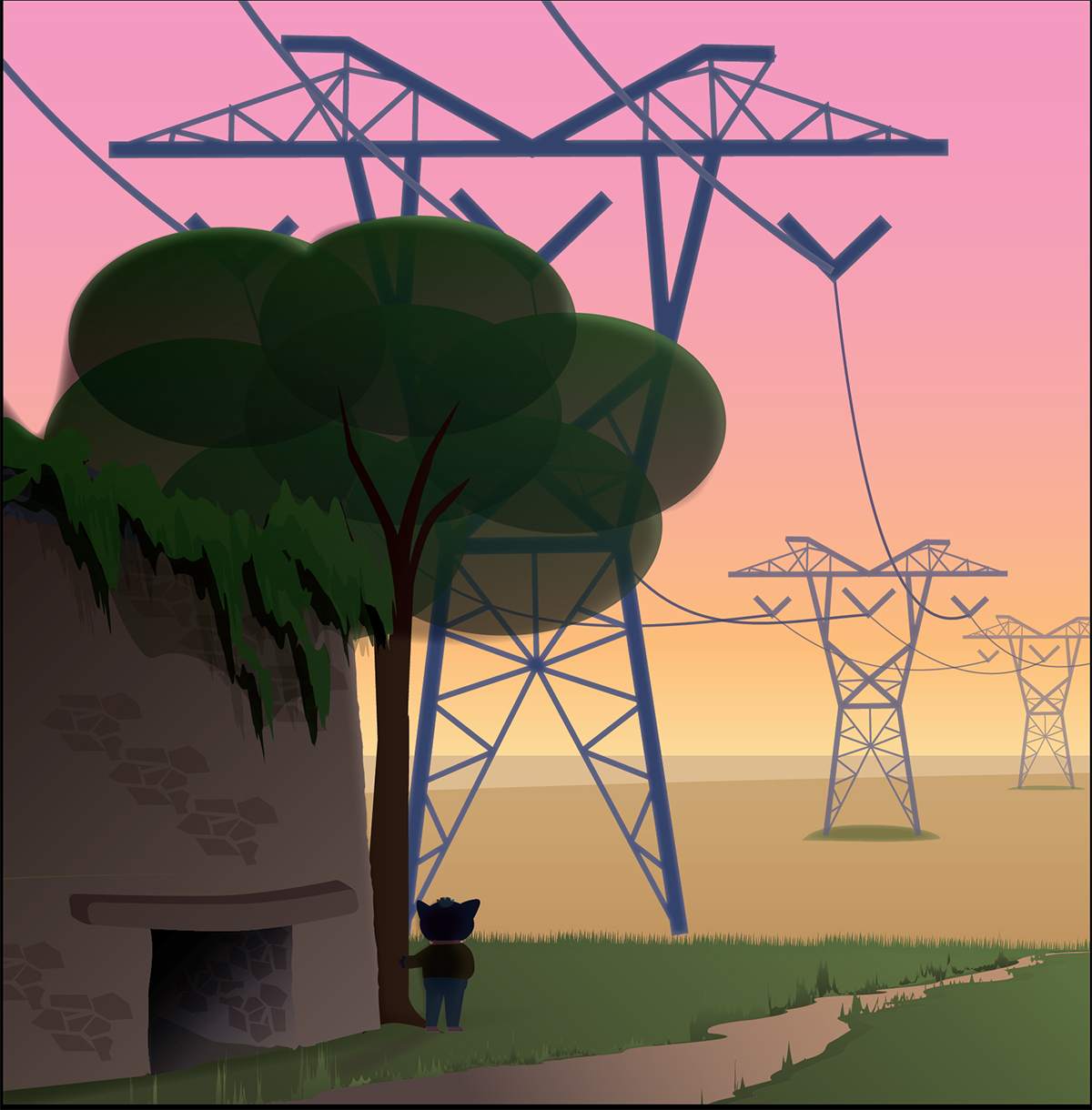
I was fortunate to be able to work with Kaylee Rowena, an architectural wizard of the highest order, to create the art for the zine cover. The zine also features a spooky illustration of Mothman by an artist of the odd and surreal who goes by Gravemud on Tumblr, as well as a gorgeously aesthetic illustration of two elegant monsters by the brilliant and stylish Critter Crafter Ally. I’ve also included a half dozen of my own illustrations.

Unlike my previous short fiction zines, Strange Things Happen in Philadelphia is printed in full color, and I’d like to think it’s an attractive little book. If you’re interested, you can download a free digital copy from Itch.io or order a physical copy from Etsy.  

🌇 https://digitalterrarium.itch.io/strange-philly-zine
🌇 https://www.etsy.com/listing/1761448527/strange-philadelphia-fiction-zine

Zelda Horror Zine Preorders Open

I’m excited to share a preview of my story for Blood Moon Rising, a Legend of Zelda horror fanzine.

I wrote about the undead princess of Zelda II, as well as the decision that Impa is forced to make in dooming the princess of the original Legend of Zelda to the same fate. The two NES Zelda games are deeply dystopian, and I enjoyed going full Dark Souls while exploring the decay of their horrifically postapocalyptic settings.

Preorders of the zine are open until March 15, and all proceeds will go to Medical Aid for Palestinians. There’s some truly frightful work in this zine, so please check out their social media if you’re interested!

🩸 https://bloodmoonzine.carrd.co
🩸 https://bloodmoonzine.tumblr.com
🩸 https://twitter.com/BloodMoonZine
🩸 https://bloodmoonrising.bigcartel.com

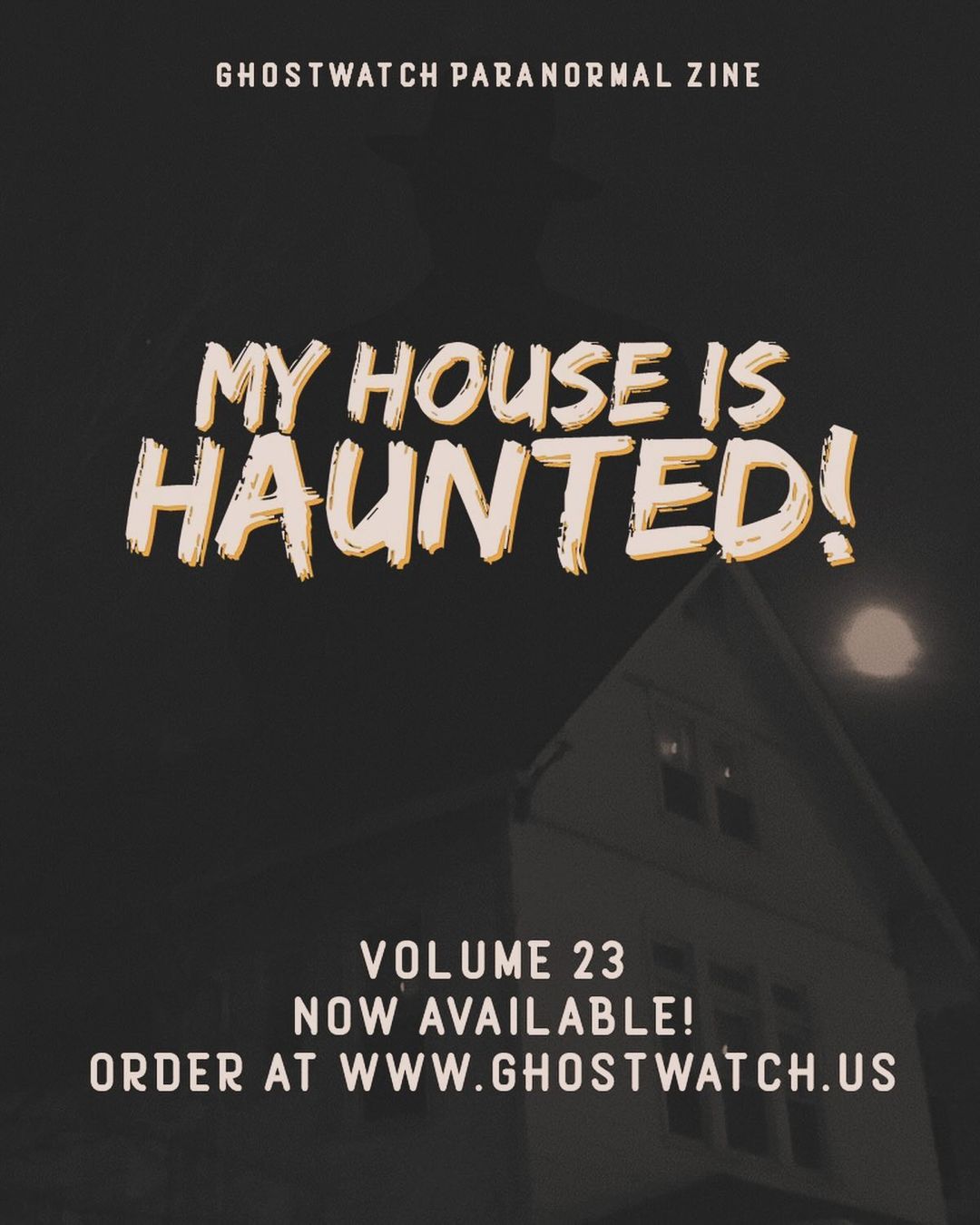
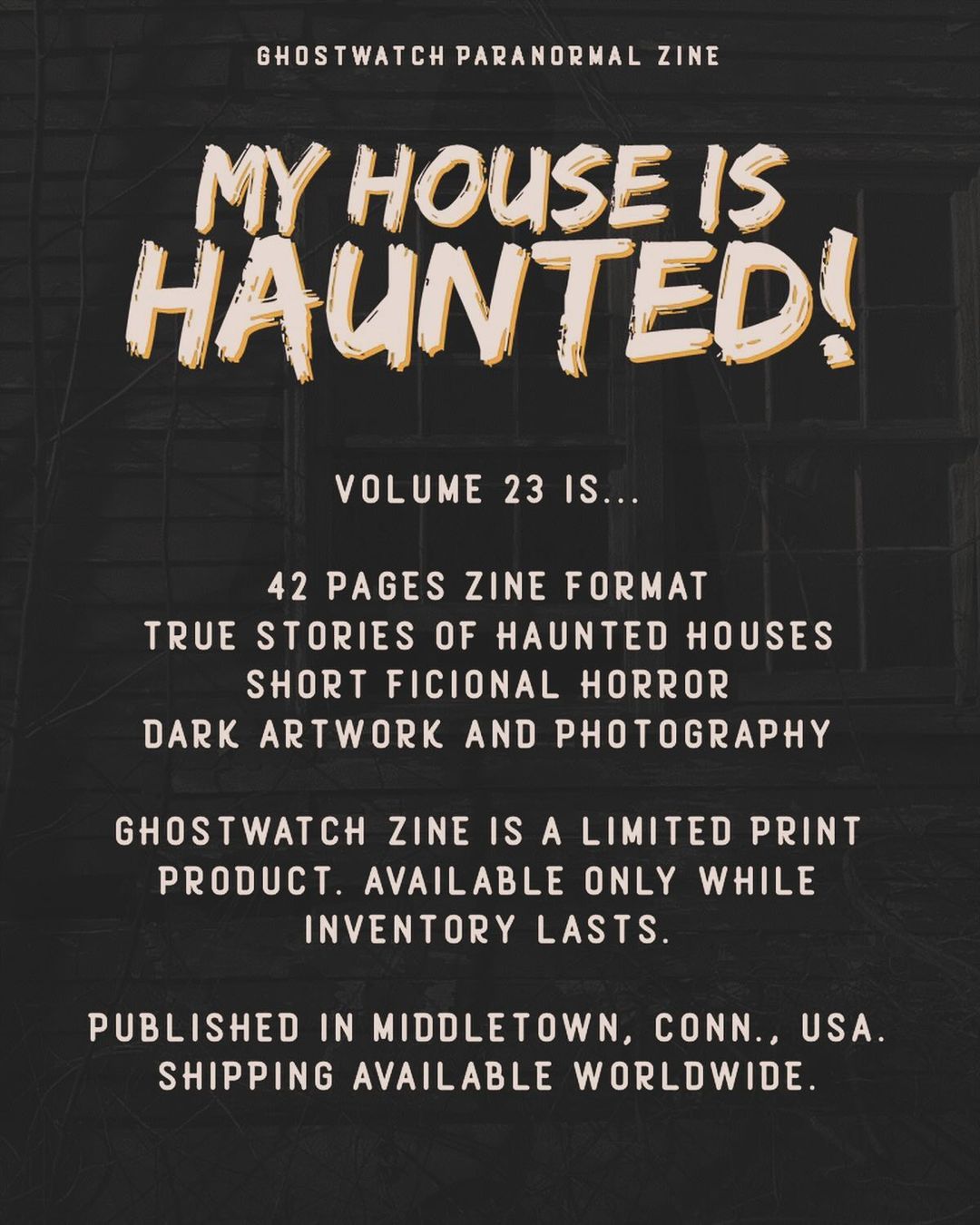
My House Is Haunted!

I’m excited to have a short story appearing in the latest issue of Ghostwatch.

My story, “The Sweet Blue House,” is based on a property I viewed while househunting in the suburbs of West Philadelphia. There’s nothing paranormal about what I saw, but some houses don’t need ghosts to be haunted.

Ghostwatch is a really neat publication. I have zero belief in the supernatural, and what I love about Ghostwatch is how it collects odd and interesting bits of folklore and documents local and regional cultures in the United States while maintaining a supremely chill attitude. The zine’s account on Instagram is a lot of fun too.

If you’re interested, you can order the “My House Is Haunted” issue here:
https://www.ghostwatch.us/product/vol-23-my-house-is-haunted

They Only Come Out at Night

Grog has noticed a number of peculiarities in Kakariko Village. Eerie lights flicker in the mountain valley after dark. Murky black water fills the old stone well that no one uses. Golden spiders spin their webs under the eaves of abandoned buildings. Little does Grog know that the legendary Sheikah of Kakariko still live, and that they are watching.

I’m one of the many children of the 1990s who read Stephen King way too young. I think I must have been ten years old when I first encountered the IT, and I read the novel like it was Harry Potter. I was too young to understand a lot of what was going on, but what I took away from the story was a lifelong fascination with haunted towns.

This is one of the many reasons why I love Kakariko Village in Ocarina of Time. Like Derry, Kakariko seems pleasant and idyllic in the daytime, but all manner of horrors creep through its sewers. Over the course of his journey through Hyrule, Link learns that Kakariko is a Disneyland-style stage setting that covers an underground labyrinth of corpse-choked dungeons. Impa opened the depopulated village to the refugees from the civil war that left Link an orphan, which means many of the people living in Kakariko have no idea what their homes are standing on top of.

I’m curious about the perspective of normal people who live in fantastic worlds, and I’m particularly interested in Grog, the odd young man who greets Link at the entrance to Kakariko after dark. His dialog is iconic: “People are disgusting. My own father and mother are disgusting. You must be disgusting, too!”

When Link returns to Kakariko after seven years, Grog is nowhere in sight. No longer a surly teenager who resents his parents, Grog has gotten himself caught up in some truly strange business. It was only when I played Ocarina of Time as an adult that I was able to put together all the pieces of Grog’s story, which ends with his death (or perhaps suicide) in the Lost Woods.

I think Grog’s unfortunate fate is representative of what happens to people in Hyrule who see too much or ask too many questions. He’s therefore a fun character to use to look at Kakariko from an outsider’s perspective while speculating on what may have happened to the Sheikah. “They Only Come Out at Night” uses some of my favorite Stephen King tropes to tell a story about a deeply haunted village, and I really enjoyed writing it.

If you’re interested in peering into the shadows, the story is on AO3 here:
https://archiveofourown.org/works/51149224

I wrote this piece for The Eyes of Hyrule, a Legend of Zelda fanzine about the mysterious Sheikah clan. The zine will hold leftover sales on Etsy (here) during November, and you can check out more of the work appearing in the zine on Twitter (here) and on Tumblr (here).

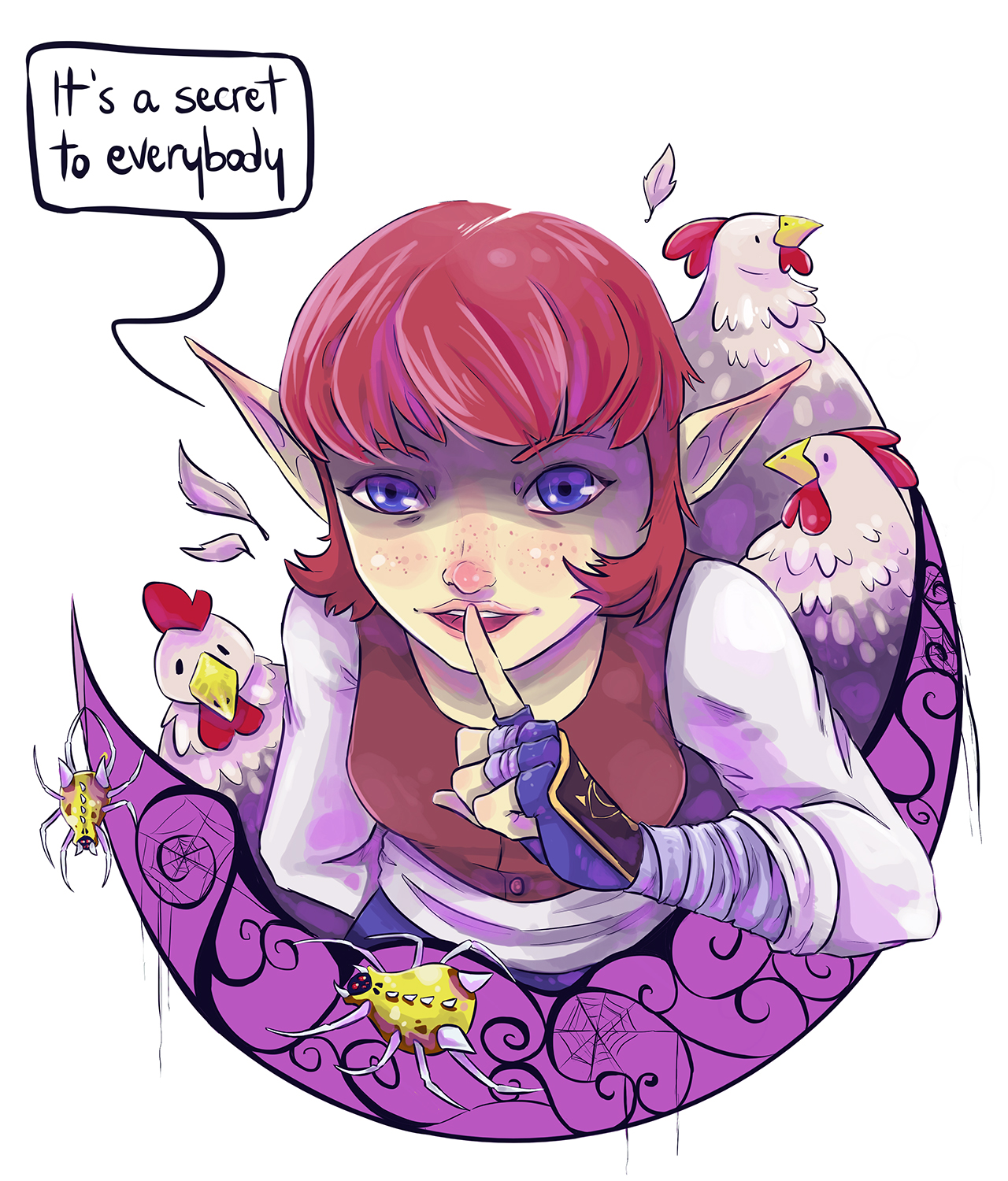
For the story illustration, I was fortunate to be able to join forces with Frankiesbugs, a true master of cute and creepy art. You can follow their work on Instagram (here) and on Tumblr (here). I also recommend checking out their current video game project in development, which is on Steam (here) and on Instagram (here).

Hyrule Fashion Anthology Preorders

Hyrule Fashion Anthology is open for preorders (here)!

Hyrule Fashion Anthology is a fanzine celebrating the complex evolution of fashion history through the characters and setting of the Legend of Zelda series. I contributed an essay titled “A Wind-Grieved Ghost” about the influence of medieval Japanese Noh theater on Ganondorf’s costume and character in The Wind Waker. I put a lot of love and research into this piece, and I may have even made myself cry.

The zine is filled with gorgeous fashion illustrations that illuminate the historical and cultural influences of the character designs in the series, as well as brilliant renditions of fan-favorite characters in a diversity of times and places. In addition to the artwork, the zine also includes articles about weaving, metalworking, and the beauty of style in all its forms.

Preorders are open until September 19!
If you’re interested, you can check out the zine through these links…

Carrd: https://hyrulefashionanthology.carrd.co
Twitter: https://twitter.com/HyruleFashion
Bigcartel: https://hyrulefashionanthology.bigcartel.com

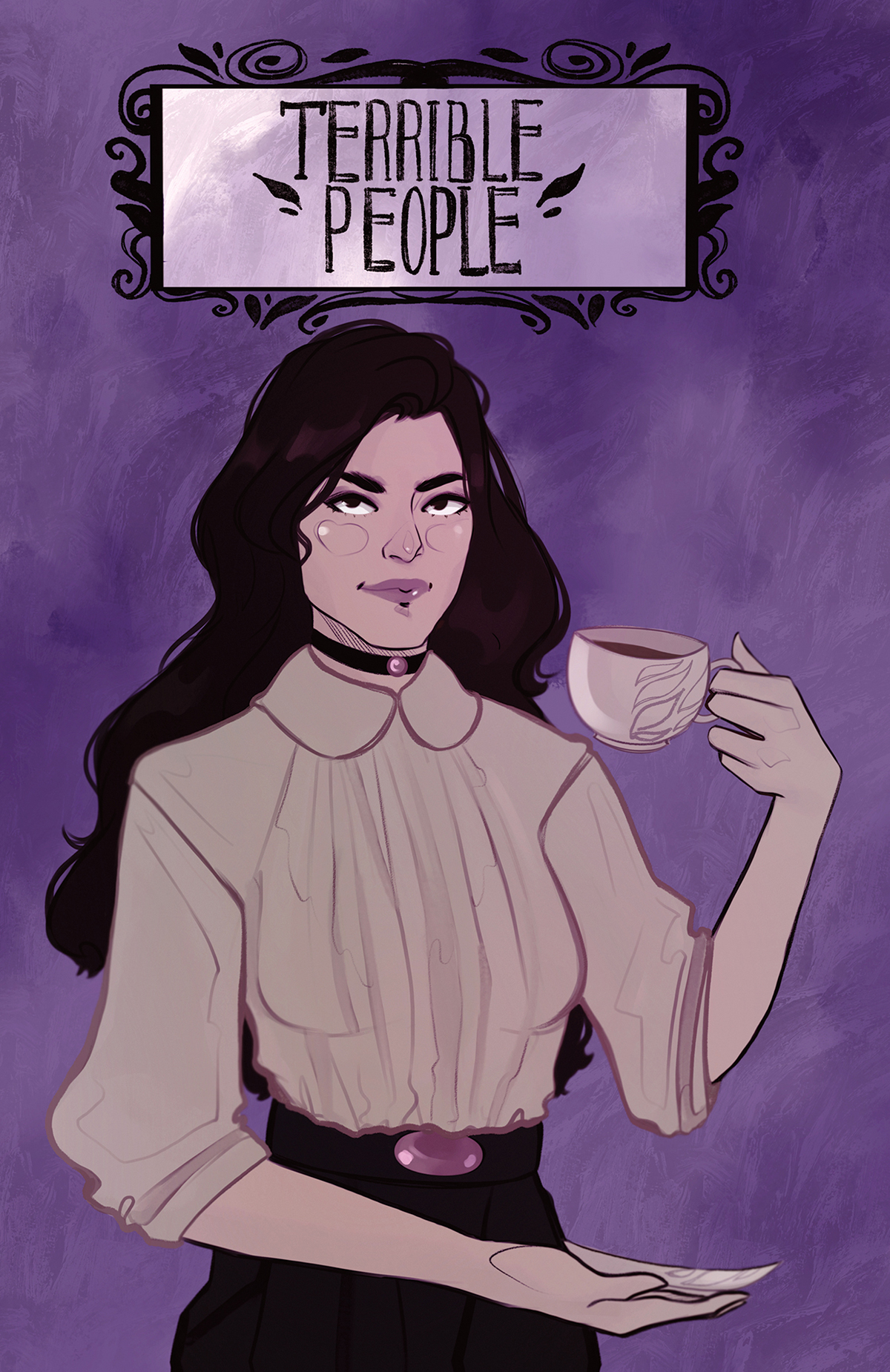
Terrible People

Terrible People collects six short and eerie tales of dark fantasy, unfortunate encounters, and horrible life choices. The writing is accessible to teenagers and adults alike, and there’s a diversity of death, poison, and murder for everyone to enjoy.

Terrible People is my fifth zine of original short fiction, and it’s the first that feels like a real short story collection. Each of the stories in this zine was accepted for publication elsewhere; but unfortunately, every single one of these publications was cursed. To give an example, one online magazine closed their website and deleted their social media accounts less than a month after they accepted one of these stories. To give another example, a small press that published an anthology with another of the stories burned down, meaning that almost all copies of the book were destroyed.  

Perhaps I’m tempting fate by printing these stories on my own. Who can say?

If you’d like to order a (totally not cursed) copy of the zine, it’s on Etsy here:
https://www.etsy.com/listing/1556837985/terrible-people-horror-fiction-zine

At 52 pages, the zine is relatively lengthy, which means I was able to give it a spine. This necessitated extra formatting work, and I feel like I’m slowly starting to understand the art of book design. What I’m thinking of doing in the near future is making a short chapbook from a single story and experimenting with the formatting until it looks more like an actual book. Terrible People is probably the last zine I’m going to make that has the style of formatting I’m using now, which I actually quite like.

I’ve been thinking that perhaps it might be nice to set up a micropress one day. For the time being, however, I’m content simply to continue writing these strange little stories while hoping that the curse haunting my attempts to publish them eventually dissipates.    

You’re Not Lost, You’re Here!

Plenty of people want to leave Possum Springs. But what about the people who are happy to stay? “You’re Not Lost, You’re Here!” is a linked trio of short stories about a day in the life of the strange little town of Possum Springs. Mae’s aunt Molly reflects on the eeriness of depopulation, Mae’s father Stan fantasizes about breaking corporate windows, and Mae’s mother Candy wonders what her daughter will see when she returns home with nightmare eyes.  

Something Night in the Woods does really well, I think, is to offer the player an opportunity to glimpse into the lives of people whose perspectives might be difficult to understand out of context. To give an example, Mae hates the police and teases her Aunt “Mall Cop” Molly with more than touch of hostility, but why would Molly have wanted to become a police officer in the first place? Why would Mae’s father, a former factory technician, embrace worker solidarity but still distrust unions? And why would Mae’s mother, who doesn’t necessarily believe in God, feel such a strong connection to the Possum Springs church that she runs its business office?

It’s easy enough to sympathize with Mae and Bea and Gregg and Angus, whose attitudes of progressive Millennial cosmopolitanism presumably reflect the player’s own, but I think the older characters in Night in the Woods are just as interesting and compelling. I come from a working-class background myself, and I wanted to try to make these secondary characters more relatable as the heroes of their own stories.

You can read this trio of vignettes on AO3 here:
https://archiveofourown.org/works/49029619

I wrote this piece for At the End of Everything, a Night in the Woods fanzine. Their website on Carrd is (here), and you can check out everyone’s artwork on Twitter (here) and on Tumblr (here). If you’re interested in ordering a copy of the zine, leftover sales are open throughout August.

I had the pleasure of working on an illustration with the brilliant and multitalented Wolf Godwin. You can find his art and photography on Instagram (here), his animations on YouTube (here), and his music on Soundcloud (here). Wolf has written lovely piano versions of several songs from the Night in the Woods OST, so please check out his work if you’d like to indulge in some fun and eerie autumn vibes.

Seeded Ground

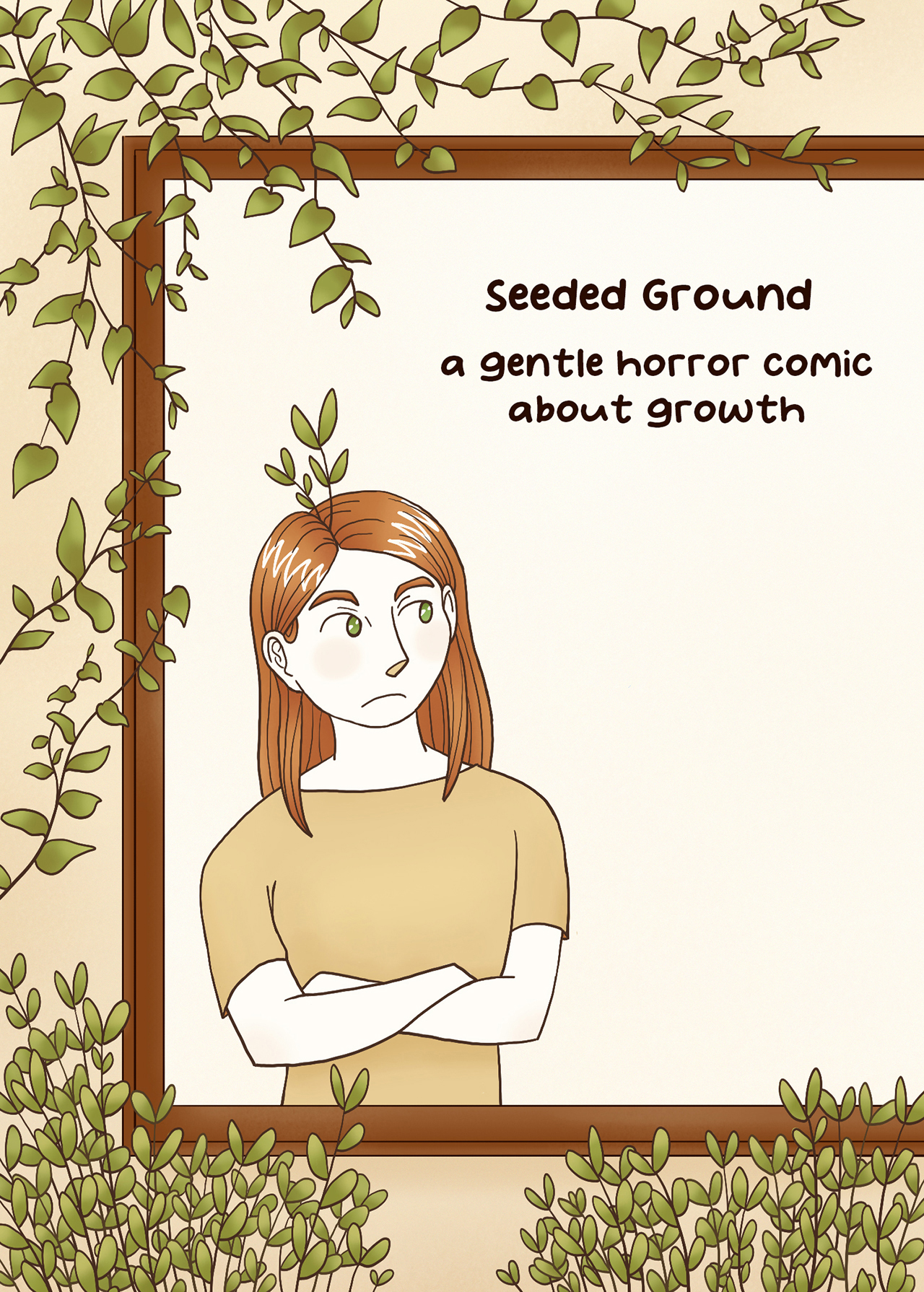
Seeded Ground is a twelve-page botanical horror comic about growth. It reads a bit like a supervillain origin story, but I created it as a statement of resistance against the oppressive ideologies of neoliberalism that have lured so many people in my generation into the trap of self-optimization.

You can download a free digital copy of the comic from Itch.io here:
https://digitalterrarium.itch.io/seeded-ground

I was inspired to draw this comic by a tweet written by a respected senior scholar. They argued that assigning at least five pages of writing every week is necessary to maintain “a certain standard of quality” in the undergraduate students who register for their classes.

This tweet inspired me to reflect on an unfortunate aspect of education in the United States. Namely, it’s an unstated but almost universally accepted goal of the formal education system to monopolize students’ time in order to train them to become the sort of adult workers who are willing to devote their lives to their career. An employee at a “good” job is expected to wake up early, commute, spend the entire day at work, and then go home and finish the tasks they didn’t have time to complete at the office. Meanwhile, freelance and part-time workers are expected to be available at any hour of the day, every day of the week, and at short notice. This is messed up, and I hate it.

My own experience as a professional working adult has essentially been the equivalent of that professor’s tweet. Namely, I’ve felt compelled to engage in meaningless work that no one will ever see in order to maintain the pretense of “a certain standard of quality.” Around the time of the pandemic, I got fed up. Was I really supposed to feel guilty about not replying to emails within 24 hours while I was sick with Covid? Fuck that.

These days I’m much more aggressive about enforcing boundaries concerning how much work I’m willing to do, and I can’t even begin to express how much the quality of my life has improved. I have no regrets.

As an epilogue to Seeded Ground, I illustrated a quote from the radical social theorist Herbert Marcuse’s 1964 book One-Dimensional Man: Studies in the Ideology of Advanced Industrial Society:

“If the individual were no longer compelled to prove himself on the market, as a free economic subject, the disappearance of this compulsion would be one of the greatest achievements of civilization.”

And he’s not wrong! I know it’s a twee Millennial stereotype to hate capitalism, but I really do believe that the point of life is not to optimize your performance as an employee. People need room to grow.

And if that growth is impeded? All sorts of bad things can happen. 🌿

Haunted Houses

I recently published a new edition of my horror fiction zine Haunted Houses!

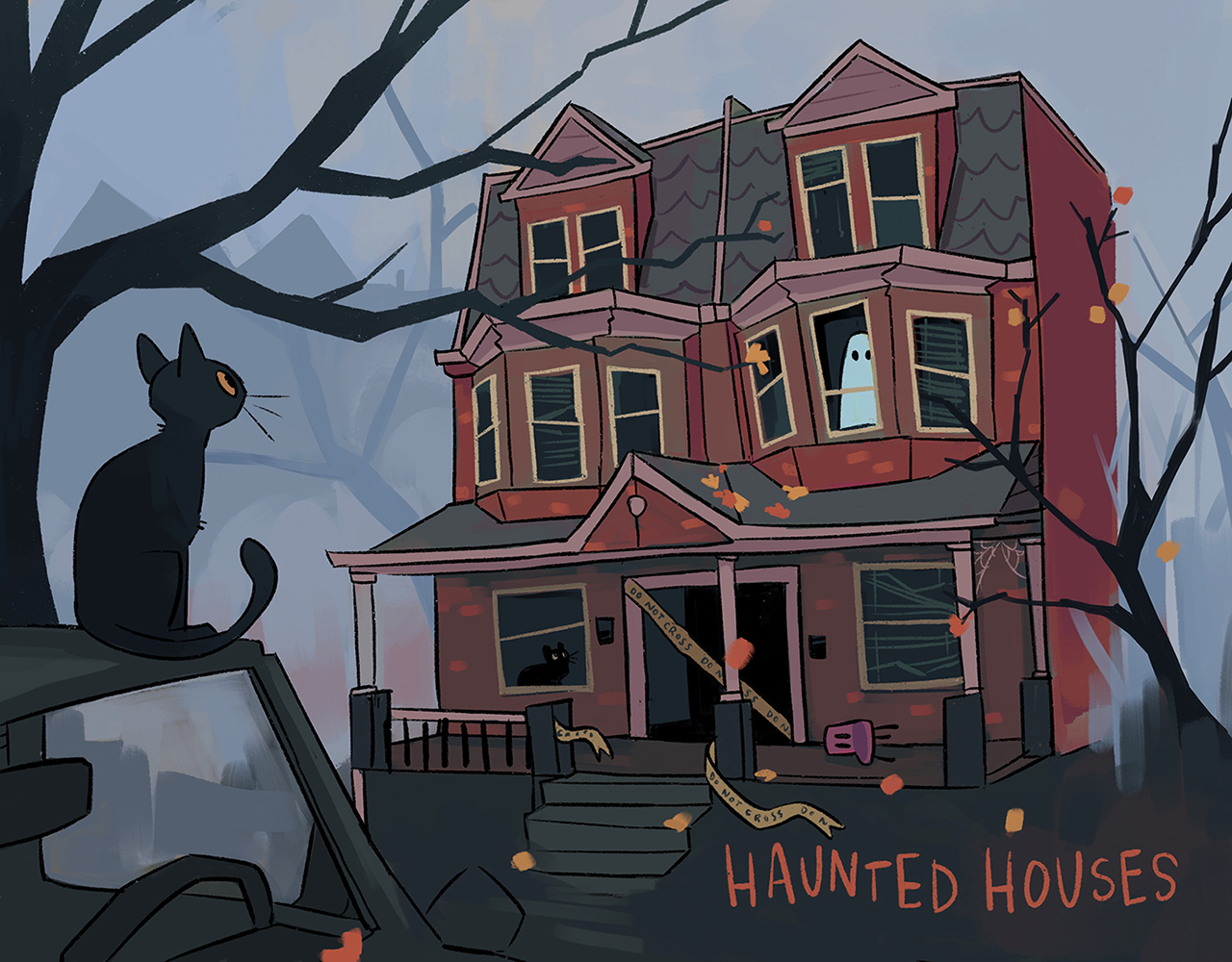
Haunted Houses collects seventeen pieces of surreal flash fiction about haunted spaces and the terrible people who inhabit them. This edition of the zine includes several new stories and illustrations, as well as a gorgeous cover illustration by Megan Crow, who was able to channel the everyday spookiness of West Philadelphia. Although the stories in this zine fit firmly into the mode of magical realism, I wanted to use the medium of fiction to explore a truly terrifying set of real-life themes relating to housing, from gentrification to rent spikes to urban depopulation.

If you’re interested, physical copies of the zine are available on Etsy:
https://www.etsy.com/listing/890744799/haunted-houses-fiction-zine

I’ve also started to host free digital editions of my older zines on Itchio:
https://digitalterrarium.itch.io/

Horror Fiction Zines at Common Meter Press

I’m honored to have three of my zines in stock at Common Meter, a new zine distro and poetry micropress!

These three zines – Ghost Stories, Haunted Houses, and Haunted Haiku – are only available through Common Meter. They’ve done a fantastic job with the listings, which you can find on their website (here). It’s incredible to see my creative work presented in such a cool and stylish way, and I’m beyond impressed by how Common Meter supports the writers and poets they work with. I understand that the press is currently creating a series of original, hand-printed chapbooks, so please check them out if you’re interested in reading (and perhaps publishing) cutting-edge writing.

I also want to recommend Common Meter’s Instagram (here), where they’ve started to post gorgeous photos featuring zines ranging from bright and colorful minicomics to letterpress poetry chapbooks. They’re just getting off the ground, and I can’t wait to see where the wind takes them.