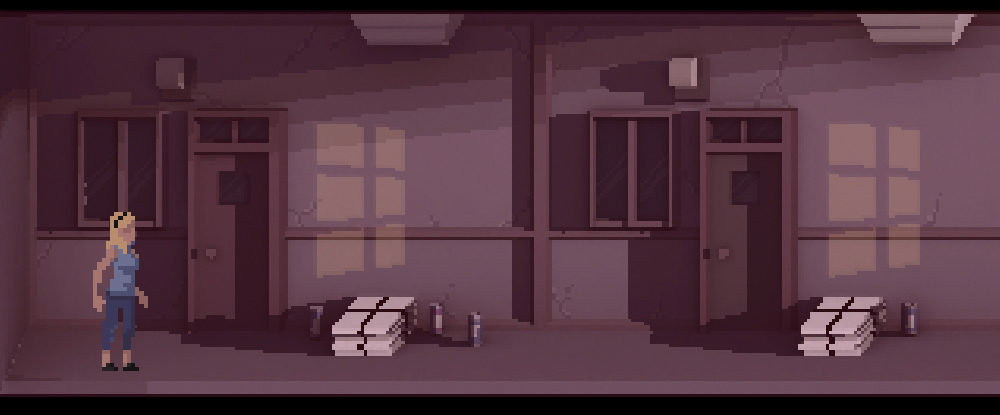
NextDoor is a spooky 2D interactive story game based on one of Junji Itō’s short horror manga. It’s free to download or play in your browser, and it takes about ten to fifteen minutes to read.
You play as a college student living in a rundown apartment building. The student is unable to concentrate because of the loud music blaring in the apartment above hers, so she finally snaps and goes to complain. The upstairs tenant is an asshole who refuses to turn down his stereo because his next-door neighbor has never said a word to him about the noise. If you can convince his neighbor to complain, the manchild gripes, perhaps he might listen to what you have to say.
The problem is that the next-door neighbors are decidedly unfriendly. Another tenant in the building says that there’s actually a group of women in that apartment, but they’re very quiet, and no one has ever spoken with them. Perhaps it’s not the best idea to attract their attention…
Despite its limited scope, the environment design of NextDoor is nicely done and more than sufficiently creepy. Ironically, the music is quite good, and the sound design is better. The character animations are a pleasure to watch, especially when the player gets to see more of the mysterious next-door neighbor.
“The Lady Next Door” is from Junji Itō’s collection Mimi’s Tales of Terror, and it’s a fun play on a category of Japanese urban legends that take the form of “here’s some weird shit I saw in a Shōwa-era (built before the 1990s) apartment building.” Itō transforms the tropes of these non sequitur “weird shit I saw” stories into a cautionary tale, and it’s delightfully cathartic to witness the unnecessarily harsh punishment of the transgressor. Because seriously, fuck that guy.
NextDoor’s adaptation of this manga is interesting in that it configures the college student as the transgressor. By association, you the player are the transgressor as well, and it’s fun to push the college student forward into increasingly bad decisions. She doesn’t die, but she most definitely sees some weird shit.
There’s one (very mild) jumpscare in the game, and it’s a cameo from my favorite Junji Itō manga, Junji Ito’s Cat Diary: Yon & Mu. Yon & Mu is exactly what you would expect from a cute autobio pet manga drawn by Junji Itō, and it’s marvelous. It’s always a pleasure to have an unexpected encounter with one of these adorable hellbeasts.
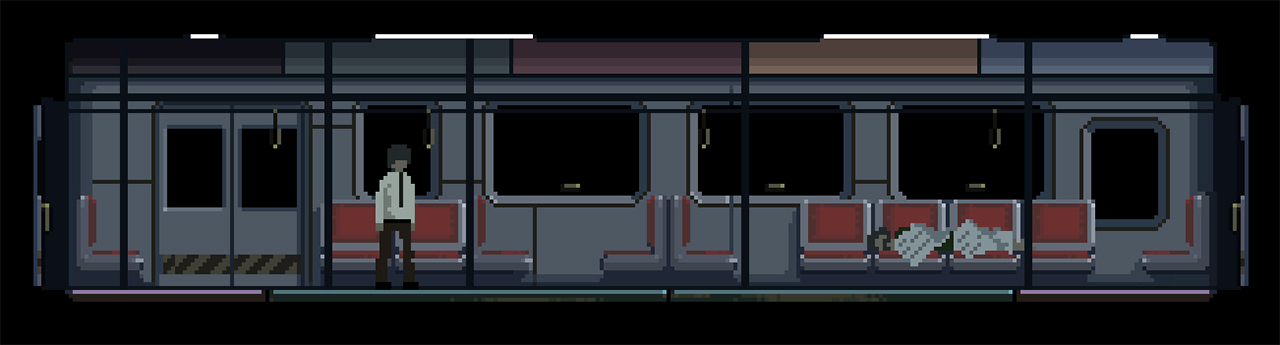
Last Train Home is a short and spooky creepypasta story game. It’s free to play in your browser, and it takes about five minutes to complete. You play as a salaryman who finds himself on a near-deserted commuter train in the dead of night.
The first half of the game is set in three train cars and the two walkways between them, each of which is occupied. With the doors at either end locked, you move between the three cars and talk with their occupants, befriending them by completing small tasks.
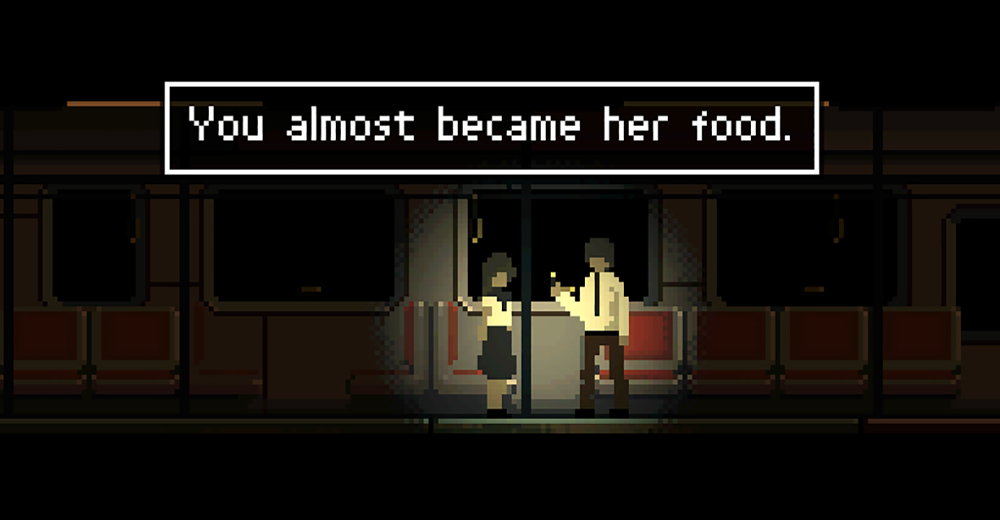
This is all well and good until the lights go off, at which point you’re left to fend for yourself in the darkness with nothing more than a cigarette lighter and the eerie flashes from outside the windows to illuminate your path forward. Where is this train going, and how do you get off?
Just as the United States is home to countless urban legends surrounding cars, from vanishing hitchhikers to cursed highway rest areas, there are all sorts of urban legends about commuter trains in Japan and South Korea. “The last train” is a common motif in cautionary tales warning midnight passengers against accidentally boarding the wrong train or even, heaven forbid, falling asleep and missing your stop as the train continues hurtling into the night.
In contrast to the pristine coziness of trains in East Asia, there’s a New York style grunginess to the cars in Last Train Home that renders the environment unsettling and uncanny. The lighting and sound design are nicely creepy as well. There’s not a lot of text, but each line manages to be subtly unpleasant. There are no jumpscares, just a pervasive atmosphere of creeping dread. The catharsis at the end of the story is lovely, but you’ll definitely have second thoughts about running to catch the last train after playing this game.
変な家 (Henna ie) is a collection of short horror stories about houses with strange and uncanny floorplans.
The book has four chapters, each of which takes the form of a series of conversations between the narrator, their architect friend, and various people who have seen the houses in person. The first three chapters explore three different houses with extra rooms and mystery spaces, and these explorations are liberally illustrated with diagrams in which certain sections of the floorplan are highlighted and annotated to clarify the text.
Each of these first three stories is like a locked room mystery, except the mystery starts with a floorplan from which the narrator gradually builds a story about what sort of upsetting behavior that type of strange space might enable. In the final chapter, it’s revealed that these houses (and, presumably, many more like them) are all connected to an old and wealthy family with a terrible secret.
I flew through this book and loved every page. The conversations are easy to follow; and, thanks to the diagrams, the spaces are easy to visualize. I enjoyed the slow build of the overarching mystery, and the revelations about the bizarre family at the center of the strangeness were beyond anything I expected.
It’s worth noting that the first story in this book was originally written as a script for a twenty-minute video on YouTube, which you can find with English subtitles (here). There’s also a manga adaptation. The first three chapters, which form a complete story, have been scanlated and are available to read (here). And finally, I’d like to share a more substantial review posted on one of my favorite book blogs (here). I’ve got my fingers crossed that this strange little book (and its sequel, which is rumored to be even better) will somehow find its way into English translation.
I’m excited to share a preview of my story for Blood Moon Rising, a Legend of Zelda horror fanzine.
I wrote about the undead princess of Zelda II, as well as the decision that Impa is forced to make in dooming the princess of the original Legend of Zelda to the same fate. The two NES Zelda games are deeply dystopian, and I enjoyed going full Dark Souls while exploring the decay of their horrifically postapocalyptic settings.
Preorders of the zine are open until March 15, and all proceeds will go to Medical Aid for Palestinians. There’s some truly frightful work in this zine, so please check out their social media if you’re interested!
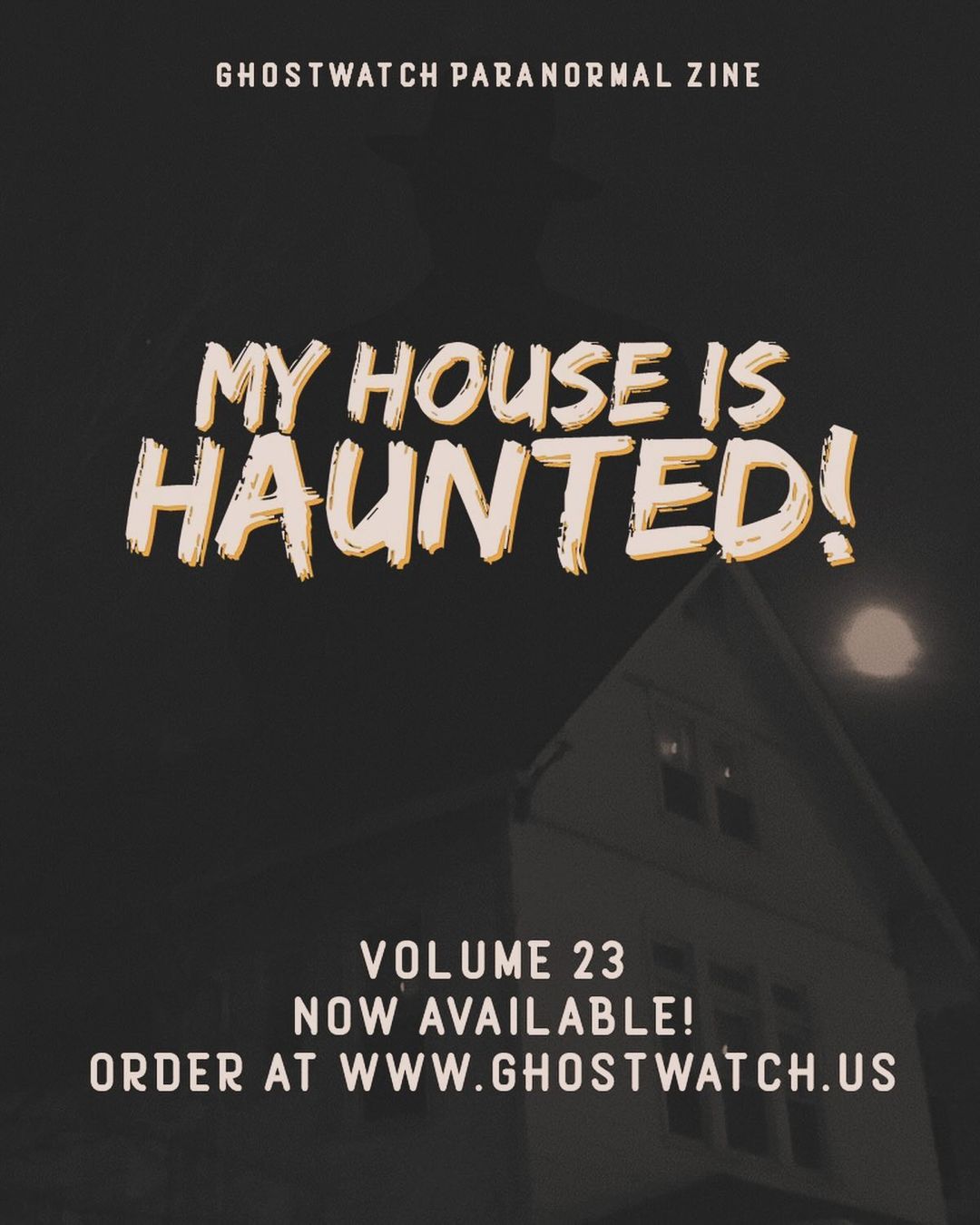
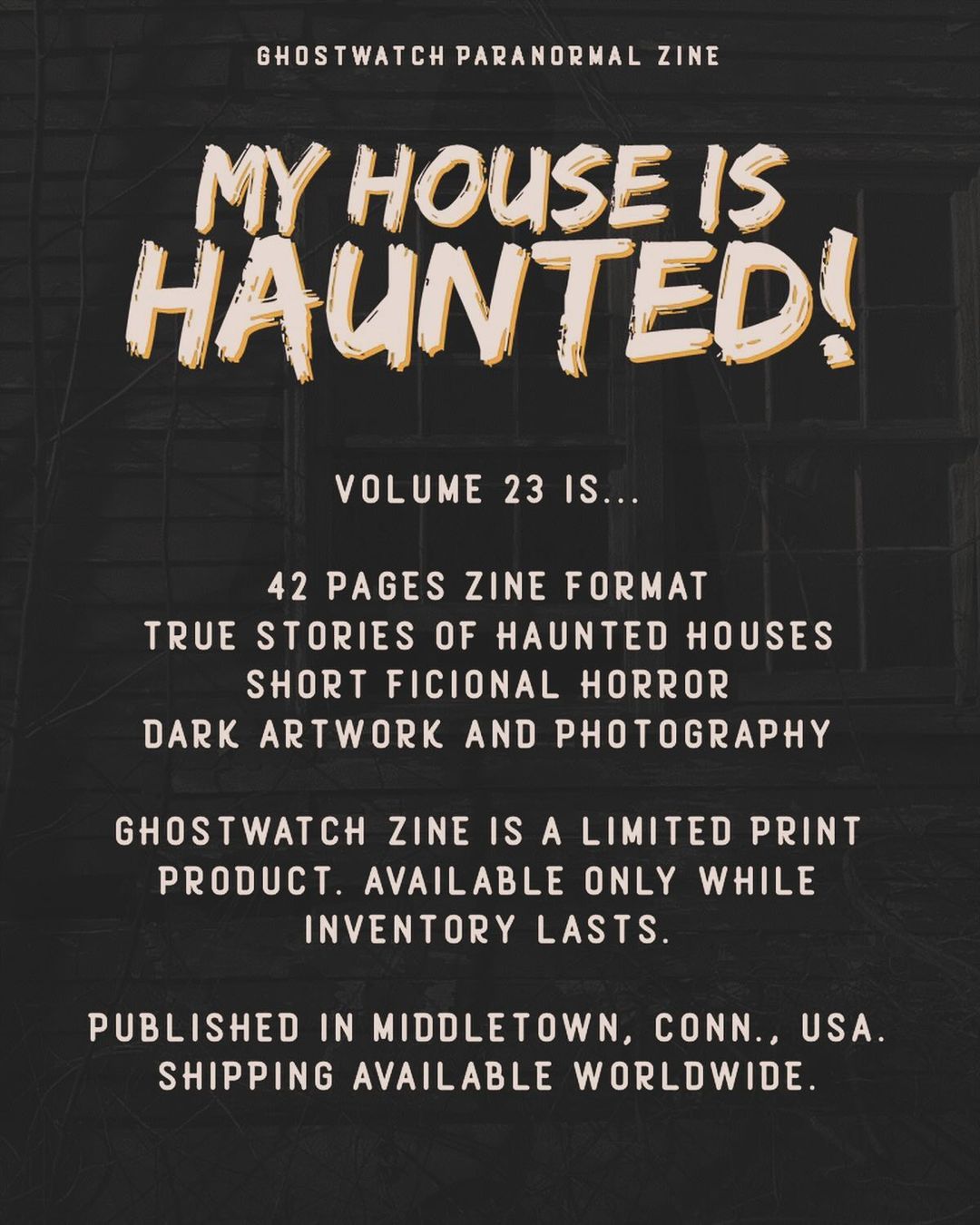
I’m excited to have a short story appearing in the latest issue of Ghostwatch.
My story, “The Sweet Blue House,” is based on a property I viewed while househunting in the suburbs of West Philadelphia. There’s nothing paranormal about what I saw, but some houses don’t need ghosts to be haunted.
Ghostwatch is a really neat publication. I have zero belief in the supernatural, and what I love about Ghostwatch is how it collects odd and interesting bits of folklore and documents local and regional cultures in the United States while maintaining a supremely chill attitude. The zine’s account on Instagram is a lot of fun too.
Corpse Party is a 16-bit RPG Maker horror adventure game from 1996 that was released on multiple platforms before finally finding its way, in a substantially updated form, to the Nintendo Switch. It shows its age, but it’s definitely worth playing if you’re into retro-styled horror adventure games.
Corpse Party is divided into five chapters, each of which stands as a discrete unit accompanied by its own set of save files that can be selected from the main menu. Every chapter has a number of optional bad endings, but you need to achieve the good ending in order to unlock access to the next chapter. If you’re using a walkthrough, each chapter takes roughly an hour to complete.
You play as various members of a group of high school students who stayed late after school one evening to tell ghost stories. They unfortunately trigger a curse that transports them to an abandoned elementary school building that was shut down in the 1970s after a grisly series of abductions and murders. Different students occupy different pocket dimensions of the school, which is almost entirely cut off from reality. To make matters worse, your group of students isn’t the first batch of kids to be spirited away to the school, which is littered with corpses and haunted by vengeful ghosts. Your goal is to help the kids escape the school… if that’s even possible.
Corpse Party is extremely gory, and not all the kids are going to make it. The game contains intense depictions of mutilation and self-harm accompanied by vivid textual descriptions and occasional environmental illustrations of an uncomfortably graphic nature. The violence occupies an intersection between disturbing, gross, and campy, and I thought it was a lot of fun.
The main challenges of Corpse Party are of the standard “find a key to unlock the door” adventure game variety. The layout of the school changes from scene to scene, but it’s not large enough to get lost in. Aside from avoiding the occasional wandering ghost, there are no reflex challenges, and your characters are very rarely in any immediate danger. If there were jump scares, they didn’t register with me. The 16-bit character sprites are very cute, even when they’re depicting corpses.
As far as horror games go, Corpse Party is relatively chill, but with one caveat:
Corpse Party is completely linear and frustratingly opaque about what you need to do to trigger the next event in any given sequence. Unless you want to walk through endless dark hallways searching every square of the map, you’re going to need a walkthrough to get through the game. The walkthrough people use is (this one), but the walkthrough can sometimes be just as opaque as the game itself.
Personally speaking, I’m not the sharpest tool in the shed, but I managed to get through the first two chapters of Corpse Party without using a walkthrough. These initial two chapters stand on their own as a story, and I felt that they were actually the best part of the game. I think it’s probably safe to say that the opening of Corpse Party is more than enough to satisfy someone with a casual interest and playstyle.
The characters are usually divided into interesting pairs, and most of what you’ll do in the game consists of walking around inside the ruins of the school building while having conversations. The kids are very good about following horror movie rules – they don’t split up or do anything stupid – but they’re at the complete mercy of the ghosts of the original murder victims, who will change the layout of the school or create traps just to mess with them. For the most part, the kids are good and gentle and kind to one another, which makes it all the more upsetting when something bad happens.
The characterization and conversations aren’t that deep, however, so you never get so attached to any character that you don’t want to see them die. My favorite death is when one of the kids gets slammed against a wall so hard that his body explodes into red pulp, which all the rest of the kids have to walk through for the remainder of the game while navigating that particular hallway intersection.
Through disjointed and disconnected teamwork, your characters learn what actually happened to the ghosts haunting the school. For curious lore hunters, there are various bits of text scattered around, from newspaper clippings to messages left by other victims of the curse. These textual passages start off as grim and gradually grow more disturbing, and it’s always a pleasure to find something new to read. There’s also an optional collection quest that encourages you to find and interact with all the corpses in each chapter; and, if you like, you can return to the main menu and read about all the horrible ways these kids died.
It’s probably more accurate to call Corpse Party a “visual novel” as opposed to an “adventure game,” but it’s fun to explore the school while interacting with various objects in the environment. It’s also fun to gain access to new areas, both to learn more about the story and to see more of the game’s pixel art. One of my favorite areas is the outdoor pool in Chapter 4, which is filled with waterlogged corpses and preceded by a hellishly filthy locker room. Good times.
Despite its frustrations, I really enjoyed Corpse Party, and the English translation created by XSeed is fantastic. While reading the game’s Wikipedia page (here), I learned that there’s a manga adaptation (here), and I had so much fun exploring this horrible haunted school that I started reading it. It’s just as ridiculous and over the top as you’d expect from a manga adaptation of a horror game, but each chapter has one or two really great horror scenes enhanced by lovingly detailed and disturbingly gruesome artwork.
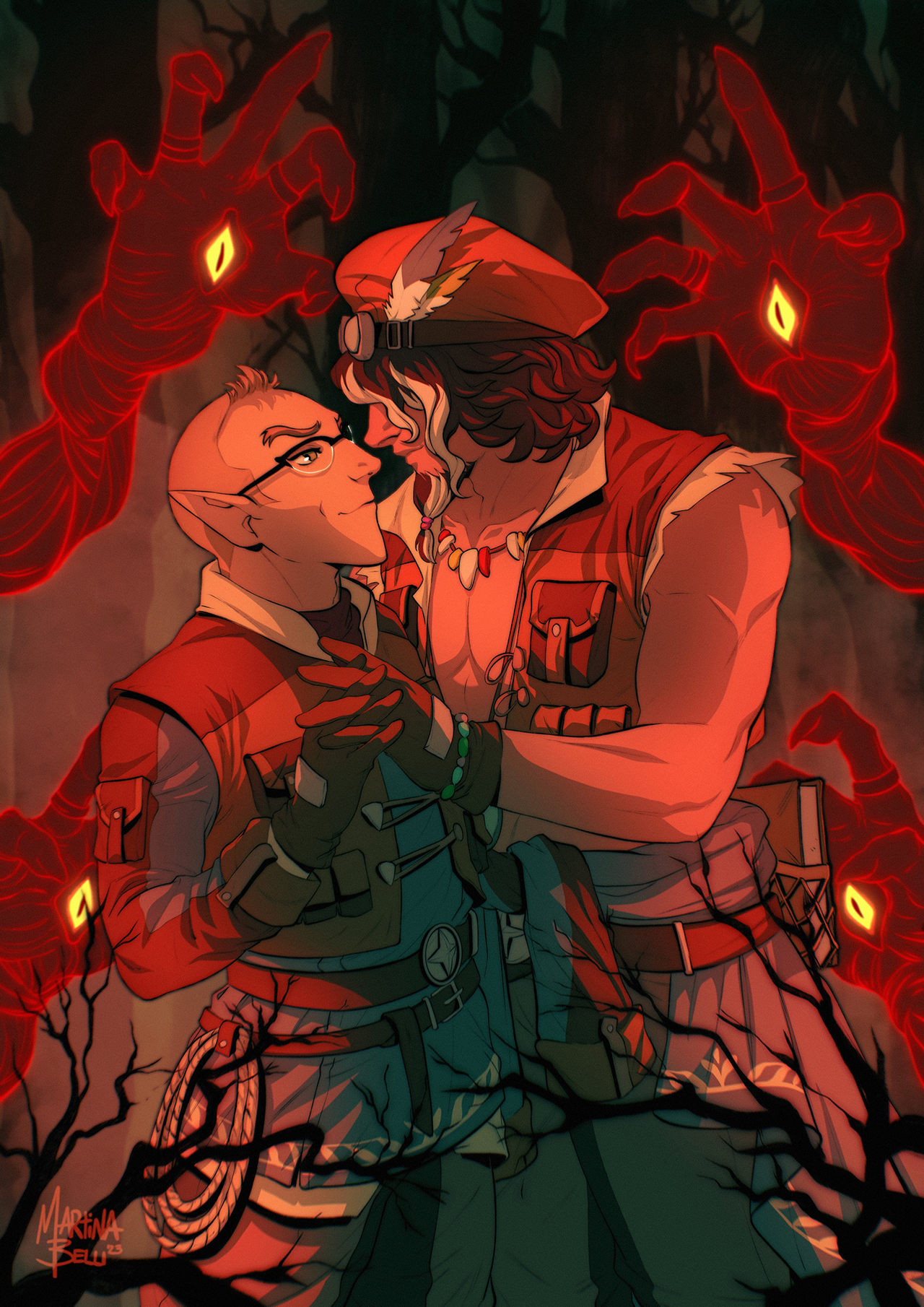
After years spent investigating the mysterious shrines of East Necula, Dr. Calip has joined the Zonai Survey Team’s efforts to study the Ring Ruins of Kakariko Village. The ancient structures are fascinating, but what has captured Calip’s attention is the chasm in the forest on the hill. While Calip has been gazing into the abyss, however, the leader of the Zonai Survey Team has been gazing at him.
As I grow more impatient with grand narratives of nation-building and heroic destiny, I’ve become more interested in how epic fantasy universes appear to normal people. Hyrule is especially fascinating as a case study, as the privileges enjoyed by Link clearly aren’t applicable to everyone else. This is especially true of the knowledge Link accumulates over his journey, during which the secrets of prior eras are revealed to him alone.
In the present postapocalyptic era of Breath of the Wild, it seems the only person trying to study and understand Hyrule is a scholar named Calip, who lives in an isolated cabin as he attempts to stage an archaeological investigation into the site of one of the ancient Sheikah shrines. As an academic, Calip is a pompous asshole. Regardless of “Dr.” Calip’s self-serving motives, I admire him as a character who investigates the world and tries to understand it instead of simply killing things and accumulating treasure.
Perhaps because of the popularity of the fandom’s speculation and study of Hyrule, Tears of the Kingdom leans into the ethos of archaeological inquiry with the establishment of a large and diverse set of NPCs forming the Zonai Survey Team. This Sheikah-funded research organization is led by a brick house of a character named Tauro. Tauro has set himself up in Kakariko Village, which has been beset by ruins falling from sky islands and a giant pit opening in the forest on the eastern hill.
Given their interests, it’s only natural that Calip and Tauro would interact. When you read the diaries that Calip has left at his former cabin and at his desk in his office in Kakariko, you learn that Calip is undeniably attracted to Tauro, who apparently went out of his way to invite Calip to work with him. Late in the game, the two men abandon their duties to run off and do research together. I think is a sweet lowkey love story – and even Kotaku agrees, apparently!
The emphasis on archaeological excavation in Tears of the Kingdom is somewhat problematic. In essence, the kingdom of Hyrule had a state-building myth that justified its sovereignty over the surrounding regions, and the result of the archaeological study performed by state-sponsored Zonai Survey Team is the demonstration that these myths were true in the most literal sense. Yes, there are evil outsiders who will kill everyone if they get the chance; and yes, only the royal family and its servants can protect everyone; and yes, the royal family is literally descended from gods/dragons. It’s all kind of gross.
What I therefore appreciate about the implied love story between Calip and Tauro is that they turn their backs on the politics of ancient texts and leave Kakariko so that they can go out into the woods and look at ruins together. For them, curiosity about the world has nothing to do with national mythologies and everything to do with the connection they feel to the people who lived on the land before them – and the connection they have with each other.
Because I am apparently incapable of creating anything that doesn’t have monsters, however, the story I wrote about Calip and Tauro ended up being a horror story as much as it is a love story. It has a happy ending, but it also has a healthy dose of eldritch horrorterrors. Phantom Ganon also makes an appearance, because of course he does.
The illustration is by the marvelously talented Martina Belli, whose magical artwork helped me bring these two characters and their story to life. Marty paints dynamic portraits of fantasy characters and dramatic science fiction scenes, and she excels at creating compositions that draw the viewer into the world of her art. It was a lot of fun to work with her, and I highly recommend following her creations on Twitter (here).
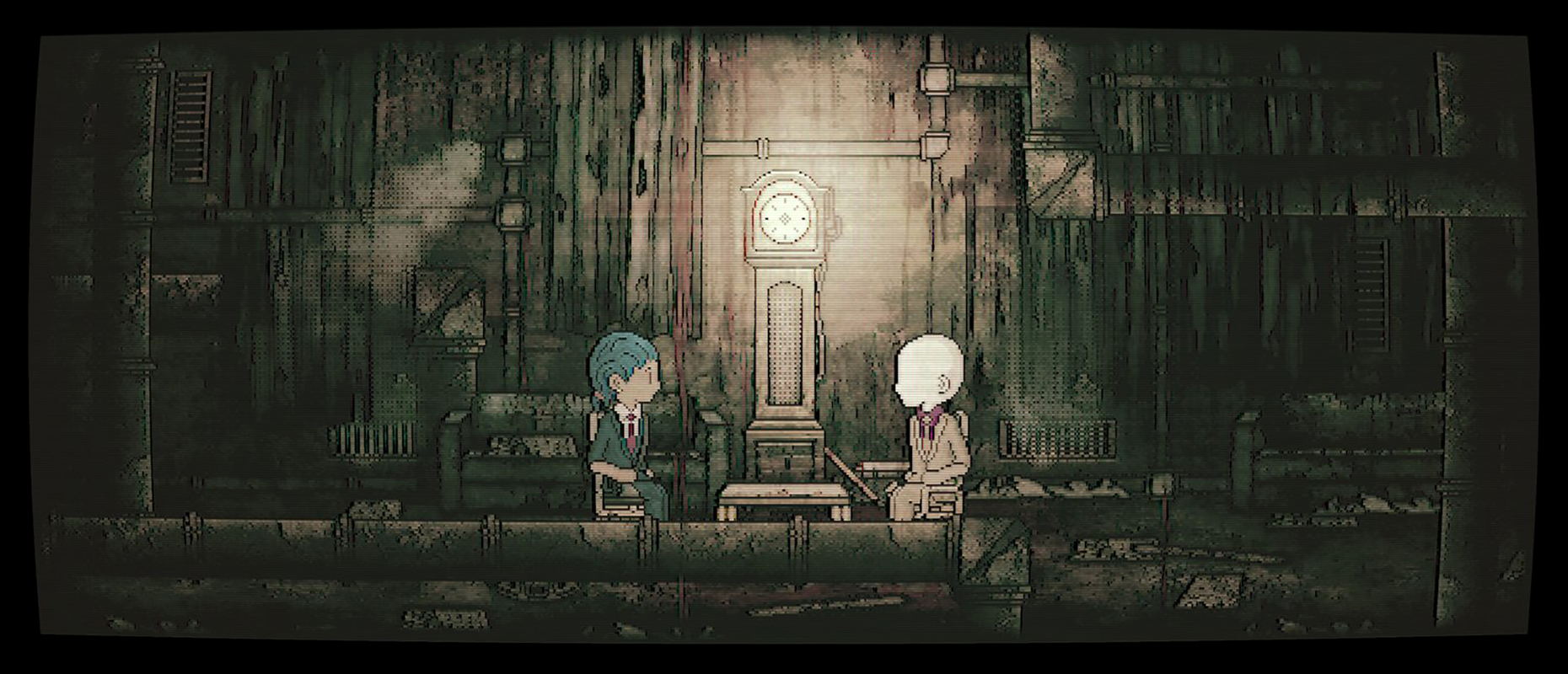
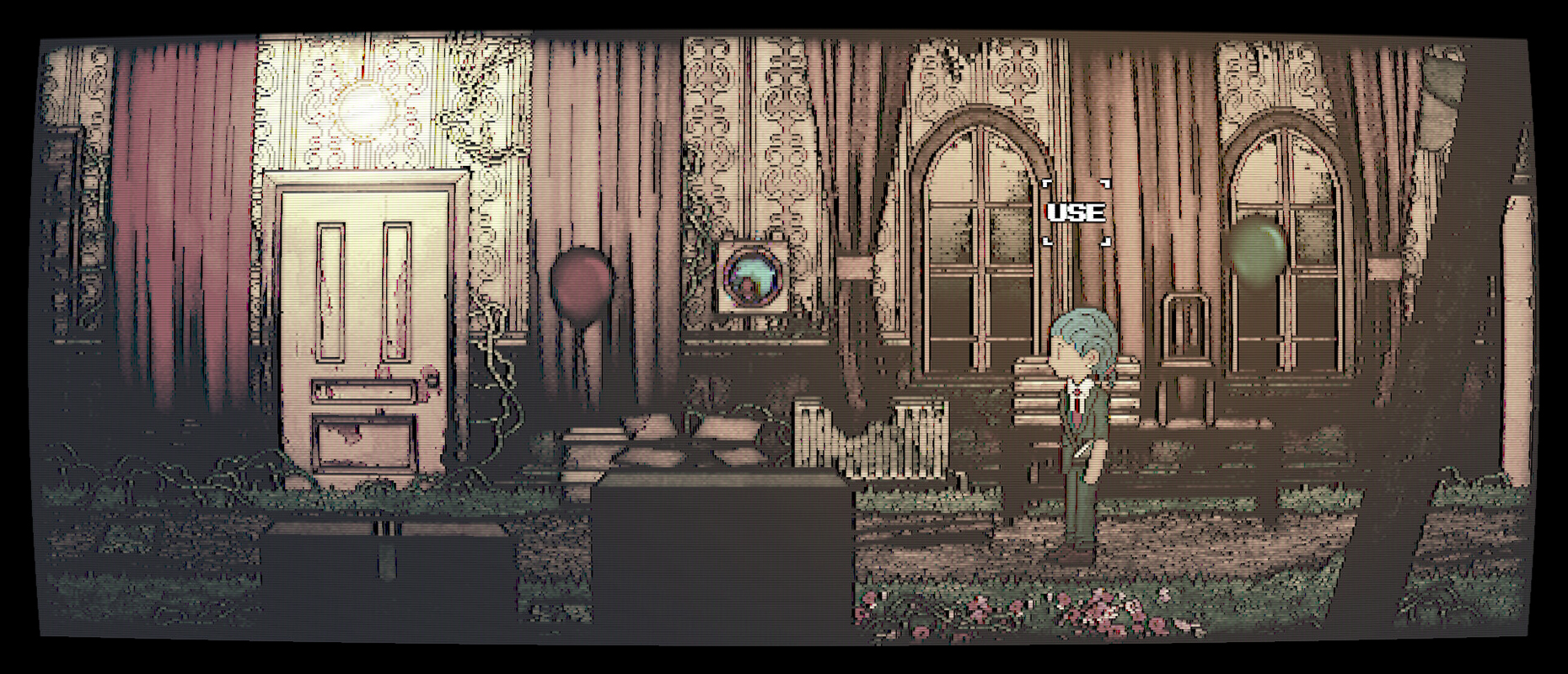
Afterdream is a 2D horror adventure game with puzzle elements and lo-fi pixelated graphics that takes between two to three hours to finish. It’s on Steam, but I played it on Nintendo Switch and had a fantastic time. Afterdream drops you right into the story and immediately grabs your attention, and its pacing is impeccable. The horror is mostly atmospheric, but the game features a great set of jumpscares mixed with short segments of heightened tension.
Afterdream isn’t for people who can’t tolerate horror, but I’d happily recommend it to anyone else who’s interested in trying out a short, original, and creative story game. The puzzles are fun but not too difficult, and the environmental design is really something special.
You play as a woman named Jennifer who wakes up in a filthy derelict room wearing a suit she doesn’t own. During the intermittent frame story, Jennifer relates this situation to an older man who seems to be a psychiatrist, claiming that she’s experienced an unusually realistic nightmare.
Within this nightmare, Jennifer’s job is to navigate a series of haunted houses while finding a series of objects for a series of NPCs. There are no Professor Layton style puzzles relating to number games or spatial arrangement challenges; rather, Afterdream’s puzzles are mainly fetch quests reminiscent of old-school adventure games in which a certain object needs to be applied to a certain environmental obstacle, like a key being needed to unlock a door.
The challenge, such as it is, lies in being able to form a mental map of each area and remembering what goes where. The game mechanics are extremely simple and intuitive, and there are no inventory limits or menu screens to distract the player from the immersive environment. It’s always clear what you can interact with, and the in-game text isn’t cryptic about what needs to happen.
The haunted houses don’t reveal their secrets willingly, but Jennifer is aided by a Polaroid ghost camera that she can use to scan her surroundings. The oddities exposed through the camera’s viewfinder become real once photographed. You might hear an odd ticking sound, for example, in which case your camera will reveal a ghostly clock on the wall. It’s a neat game mechanic, and it’s put to good use in a nice variety of situations.
Jennifer begins in an old and rotting apartment building and then progresses to a fancier but similarly ruined mansion, wherein a helpful ghost tells her that she’s been given an opportunity to make contact with the spirit of her recently deceased father. In order to summon his ghost, Jennifer must first find a special “portal object” hidden within the liminal space between life and the afterlife. Unfortunately, no one can say what this object looks like or where it’s hidden.
Still, Jennifer has no choice but to keep moving forward through progressively spookier areas. As a special present to me personally, there’s a dark and grimy sewer level, and it’s wonderful. There’s also a “creepy little town” level, and it’s beautiful and I love it.
Even though the game is divided into discrete stages, its story isn’t formulaic. To lighten the heavy atmosphere, the writing employs humor at key moments, with both Jennifer and the NPC ghosts occasionally poking fun at the absurdity of various situations. I really enjoyed the instances when I thought something horrible was going to happen but everything actually turned out to be perfectly wholesome. The pacing is excellent, with plenty of fun character interactions and chill periods of downtime between the creepy bits and jumpscares.
Afterdream is the perfect length for its story, and its gameplay goes from strength to strength as its setting becomes stranger and more disturbing. It might not be to the taste of people looking for more action or more explicit horror, but it was perfect for me.
One final thing: When I first saw the game’s trailer, I was like, “This looks cool, but I hope you can turn off the strobe effects.” And thankfully, you can in fact turn off the strobe effects. It’s always nice when game developers take this sort of accessibility issue into consideration.
To celebrate Halloween and everything autumn, Sidequest created a list of cozy horror games for people who enjoy the themes and aesthetics of spooky season but aren’t into jumpscares or explicitly ghoulish imagery. I love every game on this list, and I had a lot of fun writing about three favorites of my own. Here’s a set of excerpts:
Despite its grim premise, Six Cats Under is a chill game with cute pixel graphics and an ambient lo-fi soundtrack. Even watching a short playthrough on YouTube is relaxing.
This is the perfect Pacific Northwest Gothic setting for a haunted house story, but Edith’s former home is actually quite beautiful and charming. Adding to the game’s coziness is its comfortable two-hour playtime, as well its clearly signposted guidance along the critical path.
Although you’ll gradually uncover the town’s secrets during the days leading to and following Halloween, your main goal is to reconnect with old friends in dead malls and empty grocery store parking lots after spending your afternoons strolling through streets filled with gorgeous fall foliage.
I think it’s worth commenting on my criteria for what makes a game “cozy.”
Accessibility is a major factor. You should be able to play a cozy game at your own pace without having to worry about the anxiety of time limits or the frustration of losing progress. Another key element of cozy games is their ability to inspire a sense of comfort through visual presentation. “Cozy graphics” aren’t disposable Instagram aesthetics, but rather a commitment to a distinct visual style that feels hand-crafted and deliberate in its expression of the game’s themes.
More than anything, a cozy game uses its relaxed vibes to create a safe space to ask meaningful questions that the player wouldn’t have the energy to engage with otherwise. Cozy games should be thought-provoking but casual, like a conversation with a friend in front of a fire. “Cozy horror” isn’t an oxymoron, then, as cozy games are perfect for the long nights when you can bundle up, get comfortable, and take the time to study the shadows lurking in the darkness.
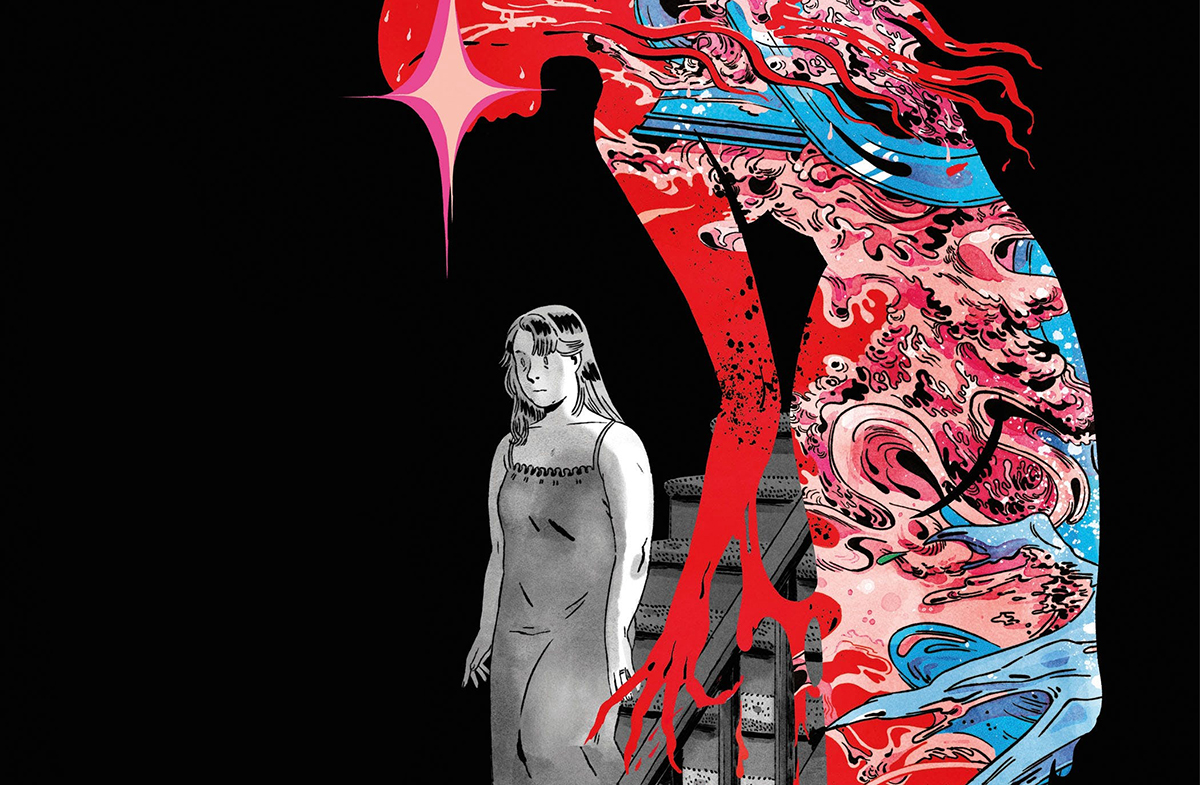
I had the pleasure of writing a review of Emily Carroll’s darkly brilliant graphic novel, A Guest in the House, for Women Write About Comics. The story gazes into the moonlit shadows of “traditional” families, and it’s gothic horror at its sexiest and most subversive. Here’s an excerpt from my review:
Carroll’s visual representation of Abby’s inner world is brilliantly strange and gorgeously queer. In her more introspective moments, Abby indulges in a fantasy of herself as a heroic knight fighting dragons, who lay waiting for her, hot and wet in their dark caves. Having slain a dragon while remaining protected and genderless inside her full-body armor, Abby seeks comfort in the arms of the beautiful ladies that await her arrival. While the majority of the artwork in A Guest in the House is painted in black ink with gradations of gray, Abby’s fantasies practically scream from the page in lurid full color that slowly begins to bleed into Abby’s waking life.
If you’re interested, I also recommend checking out Emily Carroll’s website (here) for a curated selection of horror art and short comics. It’s not for the faint of heart, but it’s one of the best sites on the internet.
While I was writing this review, I told a friend that A Guest in the House is like Dark Souls, but if Dark Souls were about a housewife in rural Canada in the 1990s. I stand by this evaluation, and I think it makes sense given the artist’s love of FromSoft games. Carroll recently released a short fancomic about Bloodborne, and you can download it for free from Itchio (here). As with A Guest in the House, I might offer a content warning for body horror and violence, but the art and writing are gorgeous.






 Digital Fantasy Diary
