The Museum of Hyrule

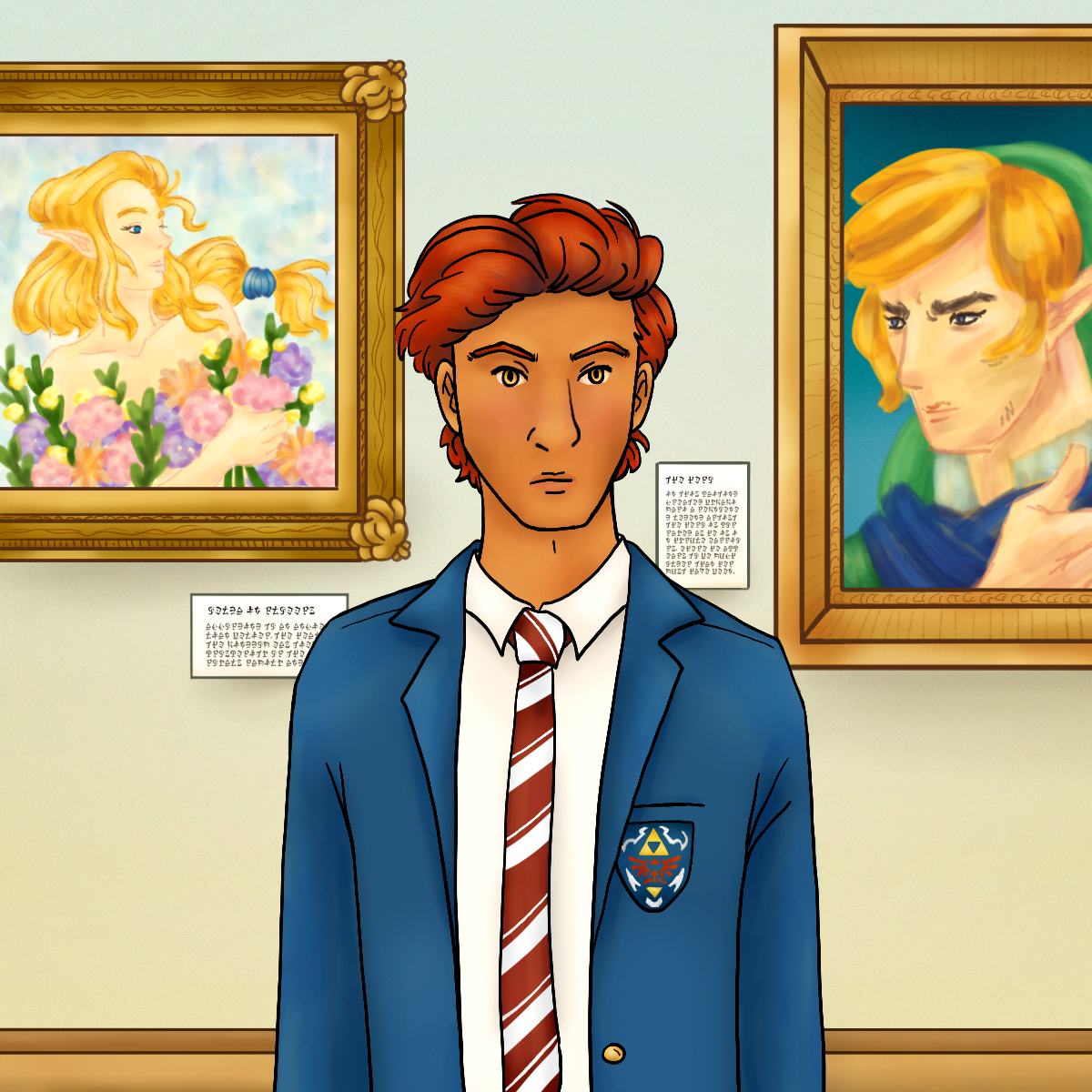
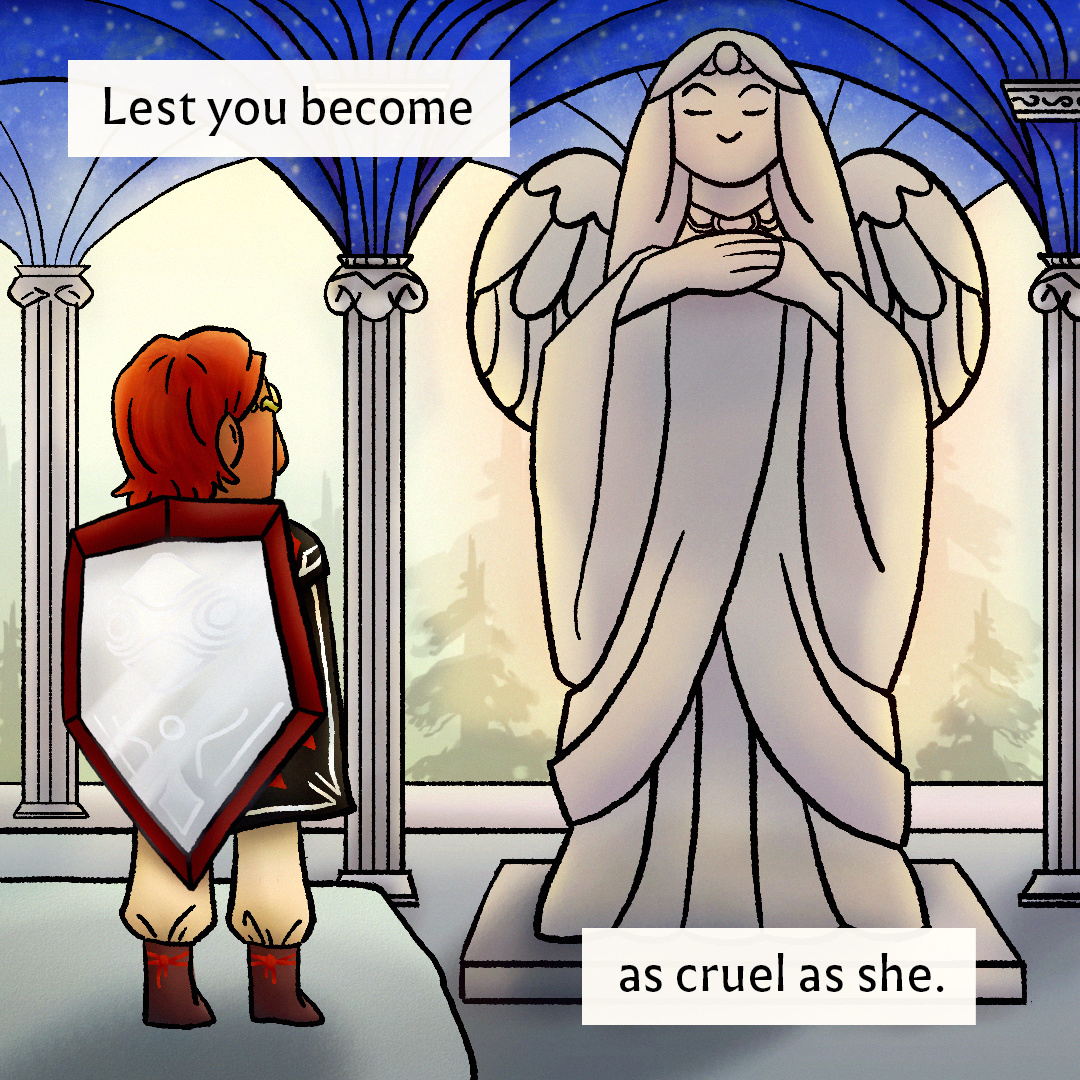
I was recently thinking about what a modern version of Hyrule would look like, and I was imagining how fun it would be for Link to encounter the Master Sword during a class trip to a museum. When I started sketching, however, what I ended up drawing is a reincarnation of Ganon seeing his crown from Ocarina of Time. The moment I wanted to capture is the calm immediately before a terrible storm.

Also, as someone who loves art and history, I tend to dislike museums, but that’s another story entirely.

The Best Witch of Her Generation

I’m excited to share another short story I wrote for Goddess Reborn, fanzine celebrating the female (and nonbinary!) characters of the Legend of Zelda series. You can download a free digital copy of the zine on Itchio (here), and you can read my full story on AO3 (here).

A Link Between Worlds is one of my favorite games in the Zelda series, mainly because I find the characters so charming. I’m especially fascinated by the figure of “someone who wants to be a hero but isn’t the fated Chosen One,” a character trope the series plays with but never fully explores. Groose from Skyward Sword is a good example, as is Ganondorf from The Wind Waker. There are several such characters in A Link Between Worlds, and Irene is my favorite.

Irene is the granddaughter of the Potion Witch, and she serves as the game’s fast-travel mechanic by flying Link around on her broom. She seems to be modeled half on Hermione Granger – she calls proudly herself “the best witch of her generation,” a play on Hermione’s famous epithet – and half on Kiki from Kiki’s Delivery Service. Like Hermione, Irene sees herself as a hero; but, like Kiki, her character arc involves her journey to understand and acknowledge her own specific set of talents.

What I wanted to capture was a moment of Irene’s life in which she’s happy and confident of herself as the protagonist of her own adventure. Irene understands that what she’s doing is just as important as Link’s quest, and she’s absolutely correct. Although the player may see Hyrule through Link’s eyes, the female characters who surround and support him are absolutely vital to Hyrule’s history.

While writing this short story, I wanted to get as close to the tone of “early-reader fiction” as I could. I’m not used to this style of writing, so it was a fun challenge. I was aided immensely by the story’s illustrator, Leh Latte. Leh helped me with the diction and rhythm, as well as with structure and balance. She also showed me what it means to work with page formatting in mind. Although the story itself is short and simple, it’s the product of a few good conversations during a collaboration between me, Leh, and Aven Wildsmith, the zine editor.

Leh and Aven are both fantastically talented and creative people who work in a variety of media. You can find links to all of Leh’s social media accounts on her Carrd (here). Aven’s website is (here), and you can find links to all their socials on Linktree (here). And again, Goddess Reborn is free to download on Itchio (here). There’s a lot of love on every page, and this zine is really something special.

The Potentate of Jarburg

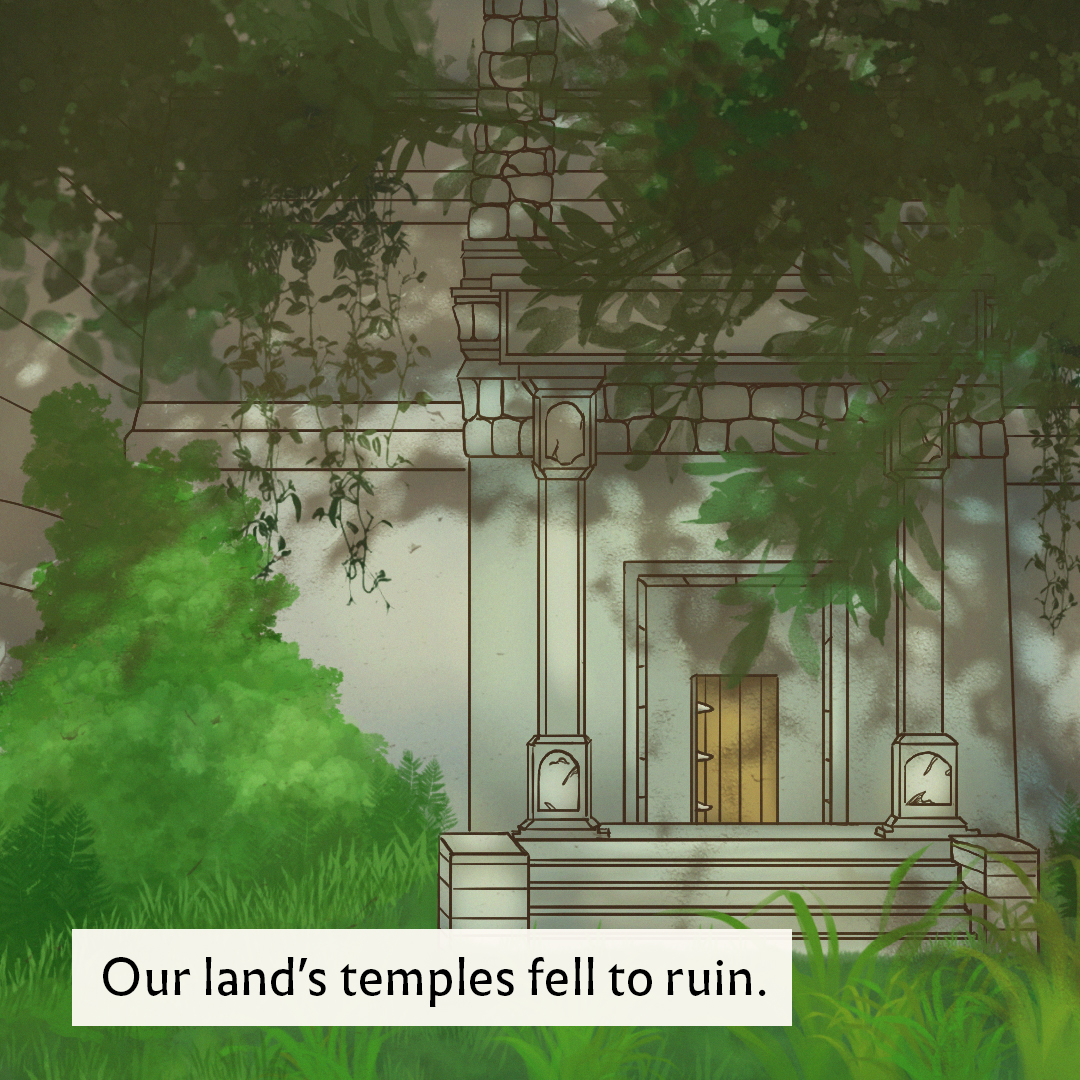
About halfway through Elden Ring, I realized that the player’s character is the villain of the story.

At some point before the story begins, a manifest symbol of divine order called the “Elden Ring” was shattered by nefarious means, and the rulers of the land fought over its shards. Whether because of the battles or because of the nature of the shattering itself, everything is now in ruins.

As an outcast “Tarnished” warrior who has returned to the magical Lands Between, your job is to retrieve the shards of the Elden Ring from the fallen rulers and thereby restore the Golden Order of the once-great civilization. At least, that’s what you’re led to believe.

If you pay attention, you’ll notice that the society enabled by the Golden Order wasn’t so great. The ruling class built its civilization by subjugating other cultures in fantastically horrific ways. This isn’t subtext, exactly, but neither is it surtext – it’s simply the story told by the environment of the game.

You may think that perhaps, if you repair the Elden Ring and become the new Elden Lord, you’ll do better. You’ll burn the ruined vestiges of the old order and create a more just and fair society. The game defies this hope at every turn, however. For every kindness you attempt, you cause only more suffering.     

In more prosaic terms, almost every sidequest in Elden Ring ends badly.

The kind and modest Sorcerer Thops, who has developed a brilliant form of defensive magic, asks you to spare a key to the Academy of Raya Lucaria if you happen to find one. Should you do so, he is unprepared to face the dangers of the battleground the school has become, and he is slaughtered at his desk.

The gentle and noble Irina has fled from the besieged Castle Morne, and she asks you to deliver a letter to her father, beseeching him to join her instead of perishing in a hopeless battle. When you find Irina’s father, you learn that the castle was overtaken by the slaves he abused. Irina is slaughtered in your absence. This drives her father mad, and you are forced to kill him.

Meanwhile, Preceptor Seluvis, a member of the only group of good guys you encounter in Elden Ring, asks you to deliver a healing potion to one of your former companions. What this potion does is to turn her into a mindless “puppet.” This is an act of revenge against the woman’s adoptive father, with whom Seluvis has a feud that he never bothers to explain. It’s strongly implied that Seluvis uses his puppets as sex dolls, but this unsavory magic is necessary is help another female character. In order to save her from endless torture, you must agree to collude with Seluvis.

The only pure and wholesome place in Elden Ring is Jarburg, an isolated village filled with flowers and animate Living Jars. Living Jars are magical war machines that were abandoned because they happen to be extraordinarily bad at fighting. Should you visit Jarburg, you will be greeted by Jar Bairn, a young Living Jar who asks if you will become the Potentate of Jarburg. Jar Bairn will happily chat with you, and he has more lines than almost anyone else in the game. Aside from enjoying a few rounds of idle conversation, there’s nothing to do in Jarburg. There are no battles or treasures or quests, just Living Jars lazing about in the grass and tending to the flowers.

So the player will leave Jarburg – if they ever bother to find the village at all – and probably never return.

Instead, you’ll continue through the game, murdering and pillaging and destroying everything you encounter. Elden Ring doesn’t give you much of a choice. If you don’t kill something, it’s only because it succeeded in killing you first. You have to survive by any means necessary, even if that means leaving a trail of blood in your wake. In order to become the new Elden Lord, you must be utterly ruthless.

Along the way, you’ll bear witness to the atrocities committed by the former rulers of the Lands Between. You’ll gradually understand why this violence was necessary, and you’ll begin to realize that your own choices are limited. There is no happy end to this story, not for you or for anyone else.

So why finish the game, then? The former rulers are no longer in any position to subjugate anyone, and the formerly enslaved peoples are now free. Castles will crumble, and ancient cities will be forgotten, but the dead will finally be allowed to rest. Why not simply lay down your sword and allow the Lands Between to heal?

I am very bad at Elden Ring, which is an extremely difficult and punishing game. To make matters worse, no one in the game offers you real or meaningful guidance. On top of that, all of the guides available online are fragmentary, disconnected, and clearly written in haste. The artist Frankiesbugs is a veteran of the Soulsborne games, and she’s been patiently helping me find my way forward as we slowly navigate the Lands Between. Mostly we’ve been making silly jokes about the game’s shitty wizards and their appalling sense of fashion, but we wanted to try to create something a bit more serious that reflects the deeper themes of Elden Ring.

This collaborative comic is a tribute to a masterpiece of the medium that forces you to ask difficult questions with no easy answers. I have to admit that I may not ever finish Elden Ring, but maybe that’s okay. It wouldn’t be so bad to be the Potentate of Jarburg.

. . . . . . . . . . . . . . . . . . . . .

You can follow Frankiesbugs on Twitter (here), on Tumblr (here), and on Instagram (here). If you like this comic, you can leave Frankiesbugs a tip on Ko-fi (here) and browse her creepy-cute Plague Doctor merch on Redbubble (here). If you’re interested in stylish gothic horror with a heart, please check out Frankiesbugs’s ongoing comic Necrobirth, which you can read on Tapas (here), on Webtoon (here), or on Tumblr (here).  

What Should We Do With Your Body?

I contributed a story called “What Sadie Didn’t See” to What Should We Do With Your Body?, an original collaborative murder mystery zine that’s free to download on Itchio (here).

“What Sadie Didn’t See” is a story about the things people throw away. Sadie is the manager of a custodial agency in the isolated town of Rosewater, where the body of a young man named Gabriel has been discovered in an abandoned mining tunnel. Gabriel was the son of the wealthiest family in town, and Sadie’s agency services their manor, just as they handle many of the other notable buildings in town. It’s possible that Sadie may have an important clue concerning what happened to Gabriel, but she has a longstanding habit of remaining silent about what the town residents don’t want to be seen.

I worked for a custodial agency in Atlanta during my first two years of college, and Sadie is based on my manager, a cheerful but no-nonsense woman who liked to say that the most important element of the job is discretion. My manager was kind and supportive to everyone who worked with her, so it was important to me to establish Sadie as a respected member of her community with ties to just about everyone. Although Sadie’s decision at the end of the story may be questionable, I hope it makes sense to the reader why she values the wellbeing of the living and the dignity of the dead over the success of the ongoing police investigation into Gabriel’s disappearance and probable murder.

I’m honored that my story opens the zine, and I hope it provides an intriguing introduction to the town of Rosewater and the secrets of its inhabitants. I’m equally honored to have received a character illustration by ZombieGaby, as well as a story spot illustration by Taymets. The focus of the zine is on the stories told by the characters, but the pages are filled with gorgeous art and graphic design. If you’re a murder mystery fan, or perhaps a connoisseur of Stephen King style peculiar little towns, please consider checking out the What Should We Do With Your Body? zine.

🟠 You can download the zine for free on Itchio (here).
🟠 You can follow Vinegar Zines on Twitter (here).
🟠 You can follow ZombieGaby on Instagram (here).
🟠 You can follow Taymets on Twitter (here).

A Legend of Shadows, Part Three

This is the third and final section of a speculative comic about gods and mortals in Legend of Zelda lore and mythology. The first part is (here), and the second part is (here). This is a continuation of the ideas I expressed in a short collaboration comic called Hylia’s Chosen Knight.

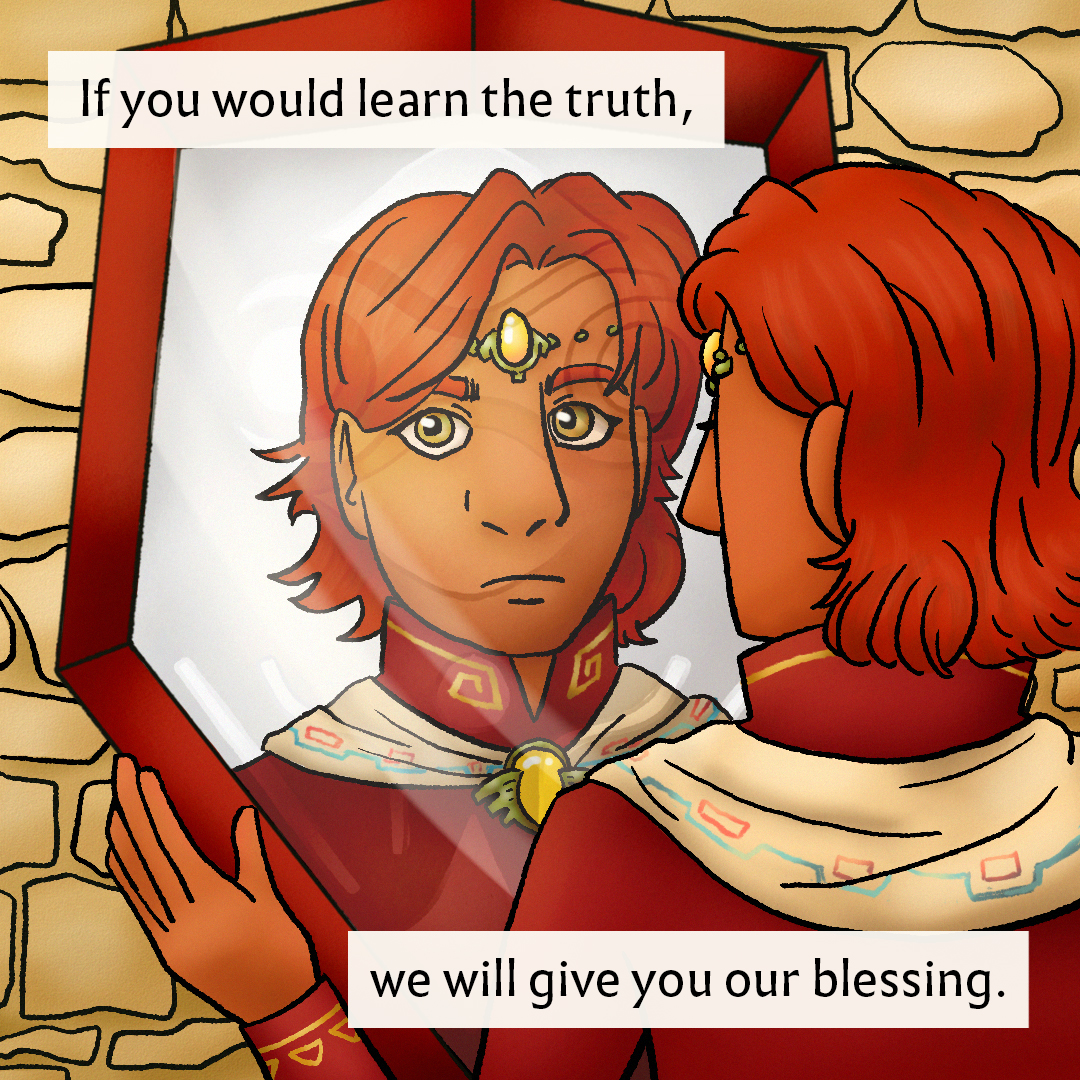
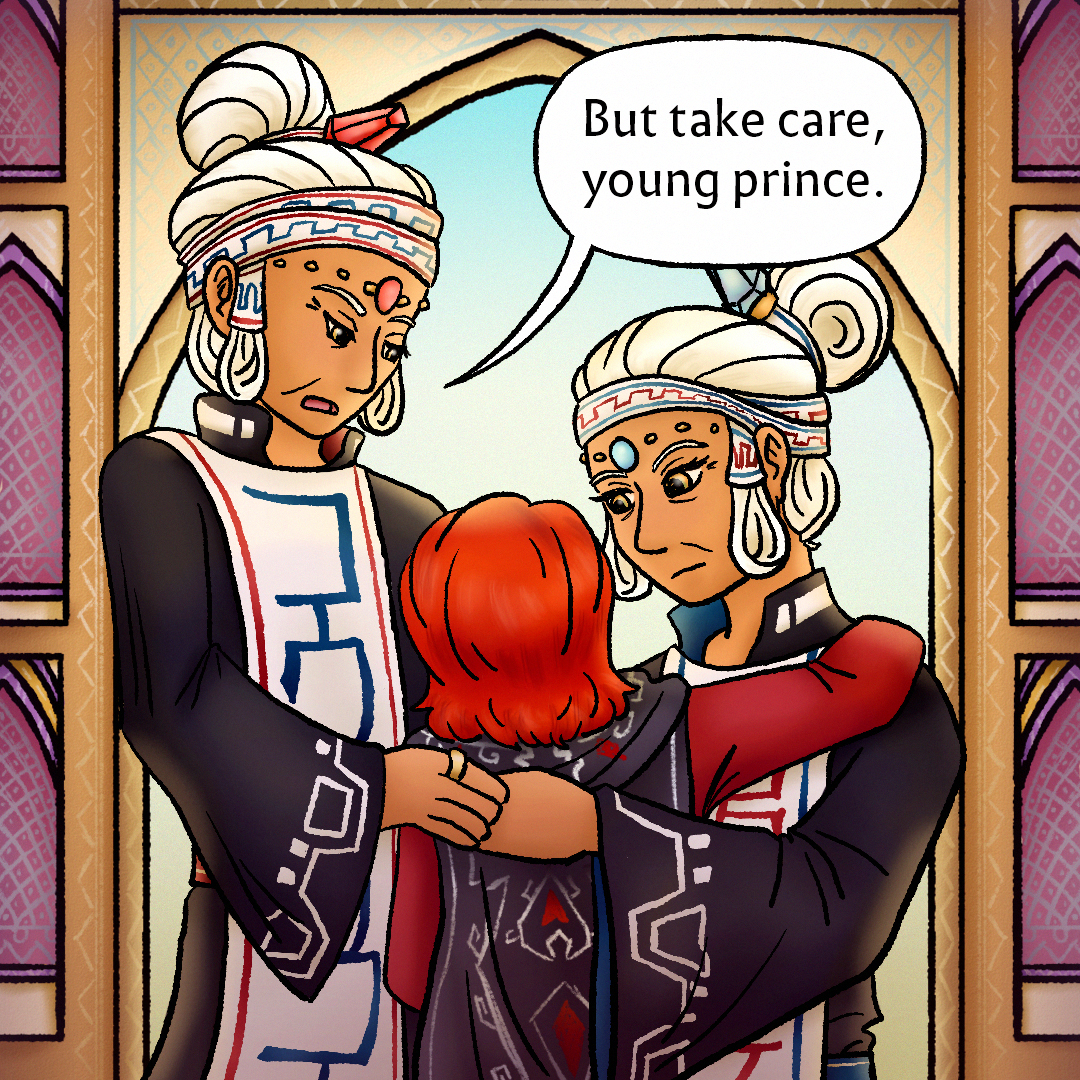
The goddess Hylia is more than a little scary, and it’s interesting to think of Ganondorf as being the hero of another story. I’m fascinated by the theme of “the failed or corrupted hero,” and I think it would be interesting if Ganondorf went on a quest that paralleled Link’s journey. Maybe young Ganondorf saw Hylia as the villain, but the power he needed to stand against Hyrule ended up overwhelming him. To me, that’s much more compelling than the idea of power only being “good” when it’s wielded by the “chosen” person.

Be Green, Do Crime

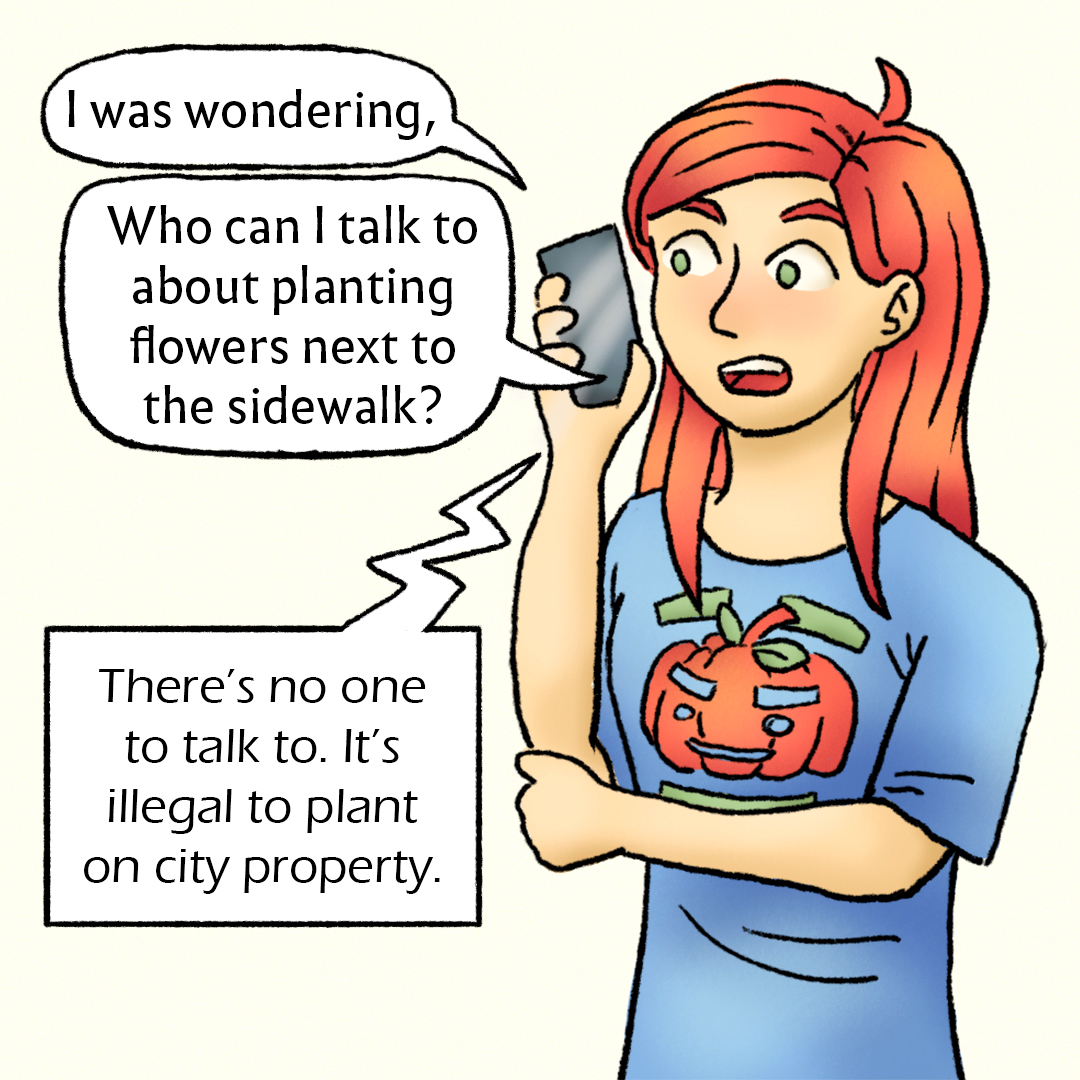
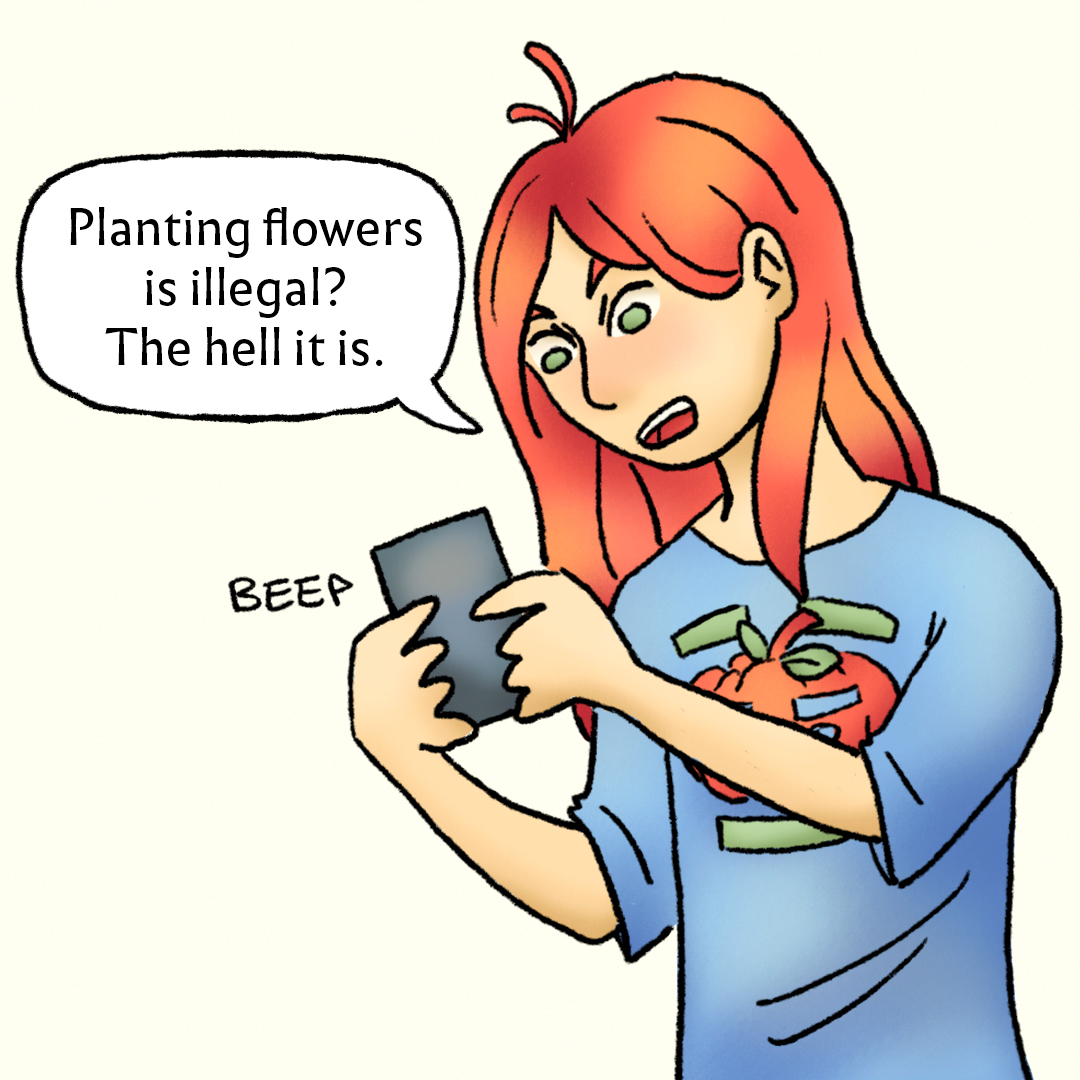
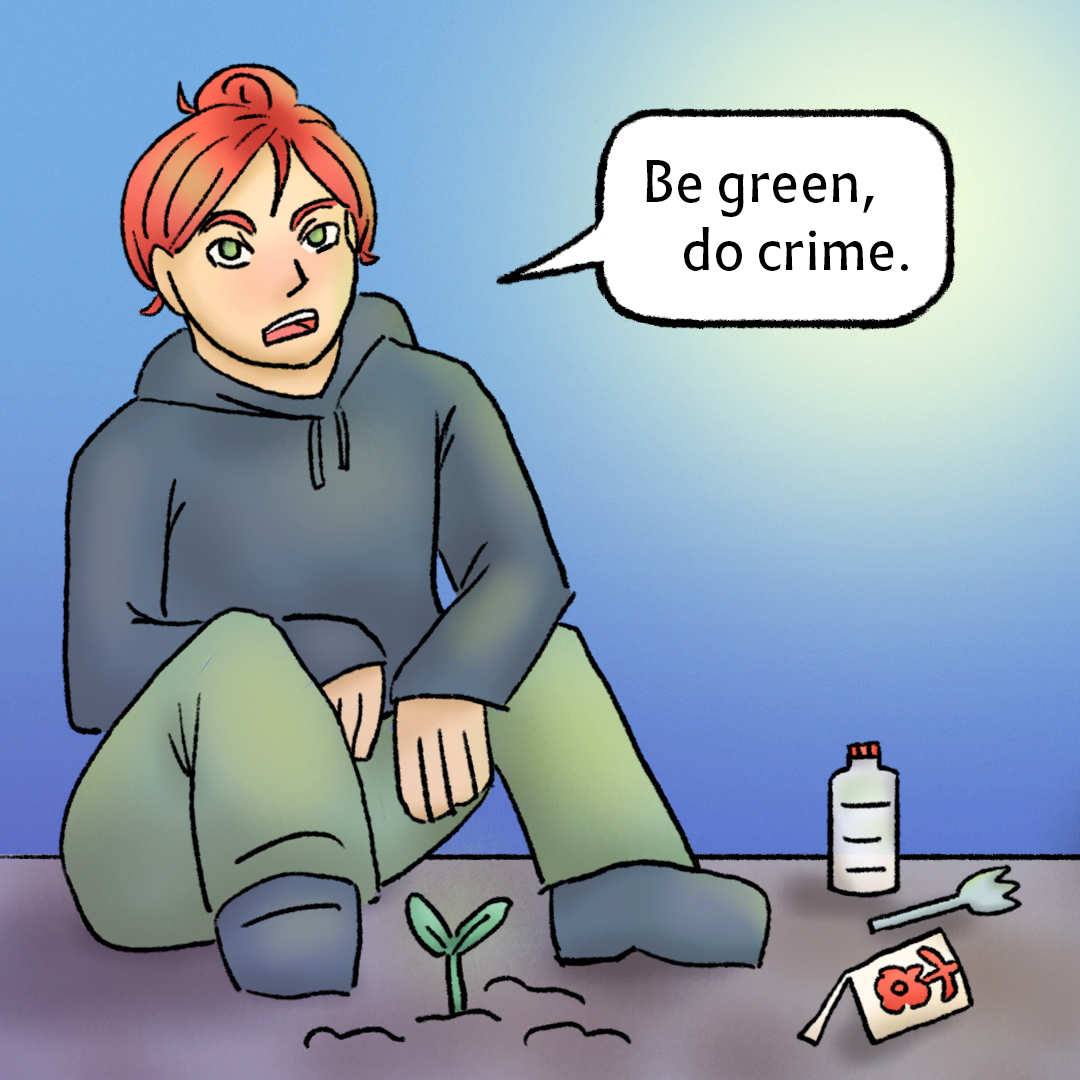
Despite my interest in horror and dark fantasy, I’m very normcore in real life. Still, I am willing to engage in civil disobedience in order to touch grass. If I can’t afford to live in a neighborhood with flowers, then I’m just going to have to plant them myself.

This comic received a lot of support when I posted it on Tumblr, by the way. (This) is one of my favorite responses. Kudos to my fellow urban gardener for the addition!

Watching from the Shadows

I contributed a story about Impa and Princess Zelda titled “Watching from the Shadows” to Goddess Reborn, a zine celebrating the female characters of the Legend of Zelda series. You can check out the zine’s Twitter account (here), and you can read my story on AO3 (here). Here’s a short description of the story…

Impa prepares to train Princess Zelda as a Sheikah warrior during the year following the fall of Hyrule Castle. Zelda is tired of hiding and eager to fight, so Impa shares stories from the past to demonstrate that there is wisdom in waiting for the right moment to strike.

This spot illustration was created by the magical and marvelously skilled Frankiesbugs, whose sharp and deadly work can be found on Tumblr, on Twitter, and on Instagram.

The Capra Demon Is for the Gays

While waiting for more news about the Breath of the Wild sequel, I started playing Dark Souls on my Nintendo Switch. I’m not into character customization, so my Chosen Undead is the basic male character. I named him Tulip. I am very bad at this game, and Tulip has been having a rough time of it. Yesterday evening, for example, Tulip fell down some stairs and died.

Tulip is currently spending a lot of time with someone called the Capra Demon. The Capra Demon infamously functions as a gatekeeper who blocks the player’s access to the majority of the game. It’s impossible to beat him without knowing exactly what you’re doing or getting help from real-life friends, and the game makes getting help difficult for reasons that are complicated to explain. Everything about this game is complicated to explain, so I hope you’ll forgive me if I leave it at “it’s just very hard to beat this boss.”

The Capra Demon exudes Pyramid Head energy in that he’s extremely fit, shirtless, and carrying two heavy meat-cleaver swords in such a way that his shoulders are pulled back, his chest is thrust forward, and the muscles of his arms are bulging. I made a stupid pastel-colored sketch of him and put it on Twitter, and I immediately lost five followers. I lost five more overnight.

When I say that I hate Pride Month – and sometimes I do hate Pride Month, kind of a lot – what I mean is that I hate the commodification of queer identity, and I hate how this commodification necessitates the sanitization of queer sexuality. Everyone is happy to see cute Disney animals dancing with hearts and rainbows, but nobody actually wants to see gay people being gay. And the Capra Demon is just about as gay as gay can be, which I think is charming and delightful.

I know the history of Pride Month, and I know why it’s important. Still, I wish people were able to accept difference not because it’s fun or attractive, but because… I don’t know, because it’s the right thing to do? Because we’re not animals? Because we’re capable of moral reasoning and extraordinary flexibility concerning what we’re able to accommodate into our worldview? And I just don’t feel that corporate rainbow merch and police-sponsored city pride parades are really helping people outside the community understand that being gay isn’t like Christmas, meaning that it isn’t a “special” thing that we collectively tolerate because it only happens once a year.

Like, being gay is being thirteen years old and playing Dark Souls because your friends are playing it, and then you get to this one boss, and you don’t know what’s going on but there’s just something about him, and the next thing you know you have your pants down and a wad of tissues in your hands, and then when you go to school the next day, maybe the way you talk about this video game character is a little weird, and your friends would never say that they’re homophobic, because of course they aren’t, but there’s just something about you that they don’t like, so they stop talking to you. You’ll make other friends as you find your community, but now you’ll have to live with the anxiety that there’s an element of who you are that a lot of people are always going to understand as being bad and wrong. Just like the Capra Demon is bad and wrong… but don’t his legs look fantastic in that cute little skirt?

I don’t really have a thing for the Capra Demon myself, to be honest, but as soon as I saw him I knew what was up. The Pride Month version of “this is for the gays” has become whatever sweet and wholesome child character is trending from whatever sweet and wholesome children’s cartoon is popular at the moment, but I don’t think that’s an accurate reflection of the reality of queer identity and sexuality. The Capra Demon is for the gays.