Strange Tales and Modern Legends

My zine Strange Tales and Modern Legends collects three illustrated short stories based on demonic Japanese folklore.

When I was an undergrad, I had the honor of taking a class called “Demonic Women in Japanese Fiction” with a professor I truly admire. This course was a foundational experience, and I ended up writing a lengthy senior thesis with the same title. The project served as an introduction to literary theory and feminist thought; but, more than anything, I really enjoyed stories about women behaving badly.

I taught my own “Demonic Women” class at the University of Pennsylvania for the first time in Spring 2024, and it was a resounding success. Everyone in this class was just as fascinated by the stories as I was, which was a minor miracle. In all fairness – demonic women are a lot of fun.

Though I teach and publish (and blog) about Japanese literature, and though I’ve spent a significant amount of time living in and around Tokyo, I generally don’t write original fiction set in Japan. Still, I love demonic folklore so much that I couldn’t help but be inspired by the literature in my “Demonic Women” class. I therefore put together a short zine that collects two previously published stories and one original piece of flash fiction, and I commissioned a coven of talented artists to create illustrations.

In the zine’s opening story, “The Smile of a Mountain Demon,” a 21st century yamauba entraps a YouTube influencer with Buddhist pretensions by using Airbnb and the language of New Age spirituality. The young man is looking for a scenic “spiritual retreat” to use as a source of content, and the yamauba is looking for a tasty snack. I was inspired by the medieval Adachigahara folktales in which a cunning yamauba entraps a less-than-devout Buddhist priest, as well as Minako Ohba’s beautiful and heartbreaking short story “The Smile of a Mountain Witch.”

The zine’s main story, “The Kumo Diary,” is set in the Meiji period, the era of Japan’s industrial revolution. As Japan established itself as a nation that could compete with Western powers, its intelligentsia were motivated to create a unified sense of “Japanese culture.” Scholars were therefore tasked with making The Tale of Genji a respectable classic to be held in esteem by a modern nation. While I was studying the history of The Tale of Genji, I couldn’t help but wonder about all the apocryphal chapters that never made it into the canonical version, and I created a few fragments of a medieval text to be discovered by a reader who dwells in the shadows cast by the light of modernity.

The final story, “Hanahaki,” is about a neglected cat who vows revenge on the small child that has monopolized his beloved human’s attention. The title comes from a trope in underground manga and fancomics of the late 2000s and early 2010s. In these stories, someone suffering from unrequited love painfully coughs up (haki) delicate flower petals (hana) in lieu of the words they can’t say. The cat in this story is unable to communicate in human language, but he still finds a way to make his displeasure clear. If nothing else, the child must go.

Strange Tales and Modern Legends explores themes that have fascinated me for years, specifically the intersections of folklore, feminism, and the unruly joy of problematic characters. I hope readers find these stories as delightfully unsettling as I did when I wrote them.

If you’re interested, you can order a paper copy of the zine from Etsy or download a free digital version from Itch.io.

👹 https://digitalterrarium.itch.io/strange-tales
👹 https://www.etsy.com/listing/4299187840/strange-tales-horror-fiction-zine

The art at the top of this post, which is one of the illustrations featured in the zine, was created by Le Soldat Mort, a dark fantasy artist who shares their work on Bluesky (here) and on Instagram (here).

Miaow: A Cat Zine

I’m excited to share a charmingly cozy and delightfully fluffy murder mystery story with Miaow: A Cat Zine. All proceeds from this digital zine will be donated to RAPS Cat Sanctuary, and preorders are open until September 5.

You can learn more about the zine and order a copy on their site here:
https://miaowzine.carrd.co/

The story I contributed to the zine, “Angus and Peaches Get Away with Murder,” is about two cats who do exactly what the title suggests, but it’s also about two pairs of humans – the two women who benefit from a wealthy man’s death, and the two freelance detectives who investigate the incident. As much as I appreciate lone-wolf genius criminals, I thought it would be fun to write a story in which every character conspires in the murder in some fashion.

The two nameless detectives are modeled on Sherlock Holmes and John Watson, whom I’ve brought forward into the twentieth century. Something I’ve always admired about Sherlock Holmes is his strong sense of compassion, which occasionally overrules his sense of justice. There are a number of cases (“A Scandal in Bohemia” is my favorite) in which he allows the person who committed a crime to get away with it if he believes this will be the best outcome. I really enjoyed writing the scene in this story where the Holmes character just kind of shrugs and says, “What are you going to do, try a cat for murder?”

What he doesn’t know is that Angus and Peaches are unrepentant fiends, and that they would happily get away with murder again. I love all cats on this earth, but I truly believe that this is the sort of creature they are. Cats are all tiny little devils, and that’s one of the many things I admire about them.

Studio Ghibli Fanzine Preorders

.

.

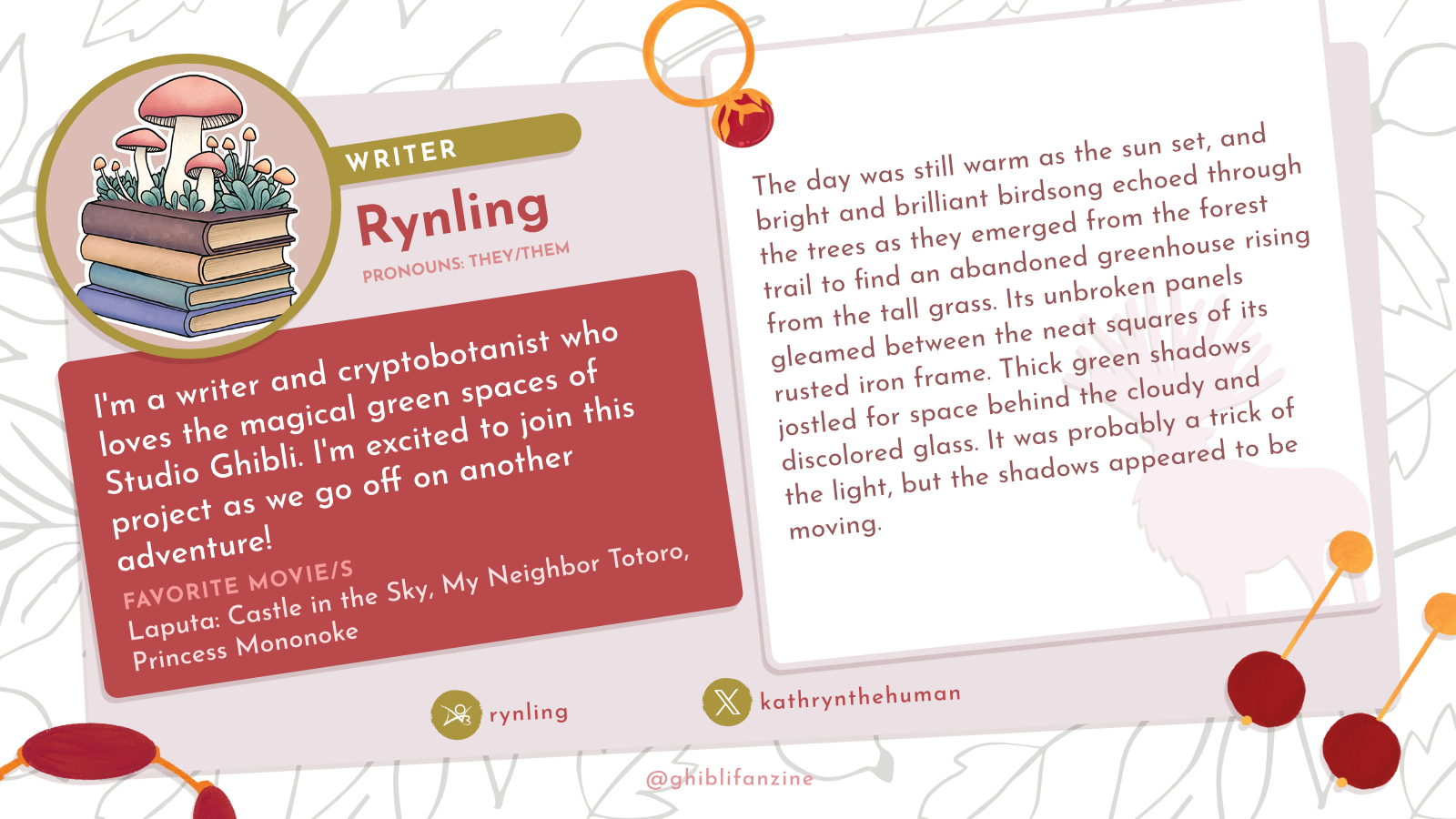
I’m excited to share a preview of the short story I wrote for New Winds: A Studio Ghibli Fanzine.

My story, “The Record of the Last Heavenly Warrior,” is narrated from the perspective of one of the giant robots from Castle in the Sky who remained in Laputa Castle after all the humans fled. The log it creates across the years is an account of the actions it takes to help nature return to the abandoned structure. Through the care it offers the environment and its companions, the robot gradually begins to understand why humans abandoned the fortress, and it wonders what it will do should they ever return.

The editors and layout artists who’ve worked on New Winds put an extraordinary amount of love and attention into making the writing in this zine shine, and the comics and illustrations that fill the pages are equally beautiful. If you’re interested, preorders for the zine are open until February 6 on Bigcartel (here). You can check out more previews on the zine’s accounts on Twitter (here) and Tumblr (here).

🌿 https://studioghiblizine.bigcartel.com/
🌿 https://x.com/ghiblifanzine
🌿 https://ghiblifanzine.tumblr.com/

Summer Break

In December 2019, I printed a chapbook that contains my unofficial translation of Hiromi Kawakami’s “Summer Break” (Natsu yasumi), the second story in the author’s prizewinning 1998 collection Kamisama. This story has not been officially translated, so I created a translation of my own to use in my Japanese literature classes.

“Summer Break” is a Studio Ghibli style celebration of the magic of the natural world and a quiet meditation on coping with mental illness. The narrator spends a few weeks working at a pear orchard, where they unwittingly adopt a trio of small tree spirits. One of these creatures is humorously neurotic, and its anxiety for the future resonates with the worries of the narrator, who feels that the world is slipping away from them.

You can download a free PDF copy of the chapbook from Itch.io here:
🌿 https://digitalterrarium.itch.io/summer-break

The cover illustration was created by Koyamori, who goes by @maruti_bitamin on Instagram.

My House Is Haunted!

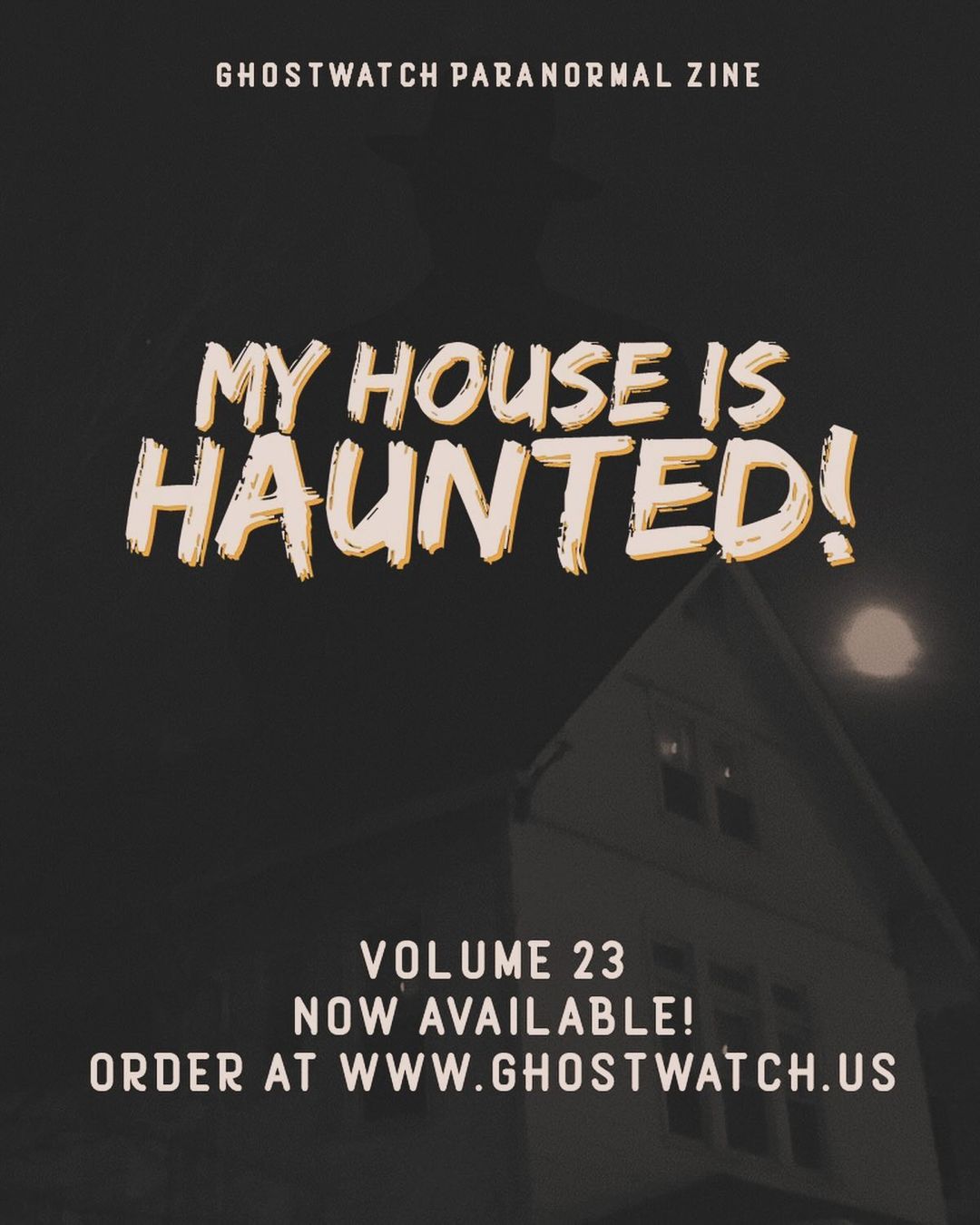
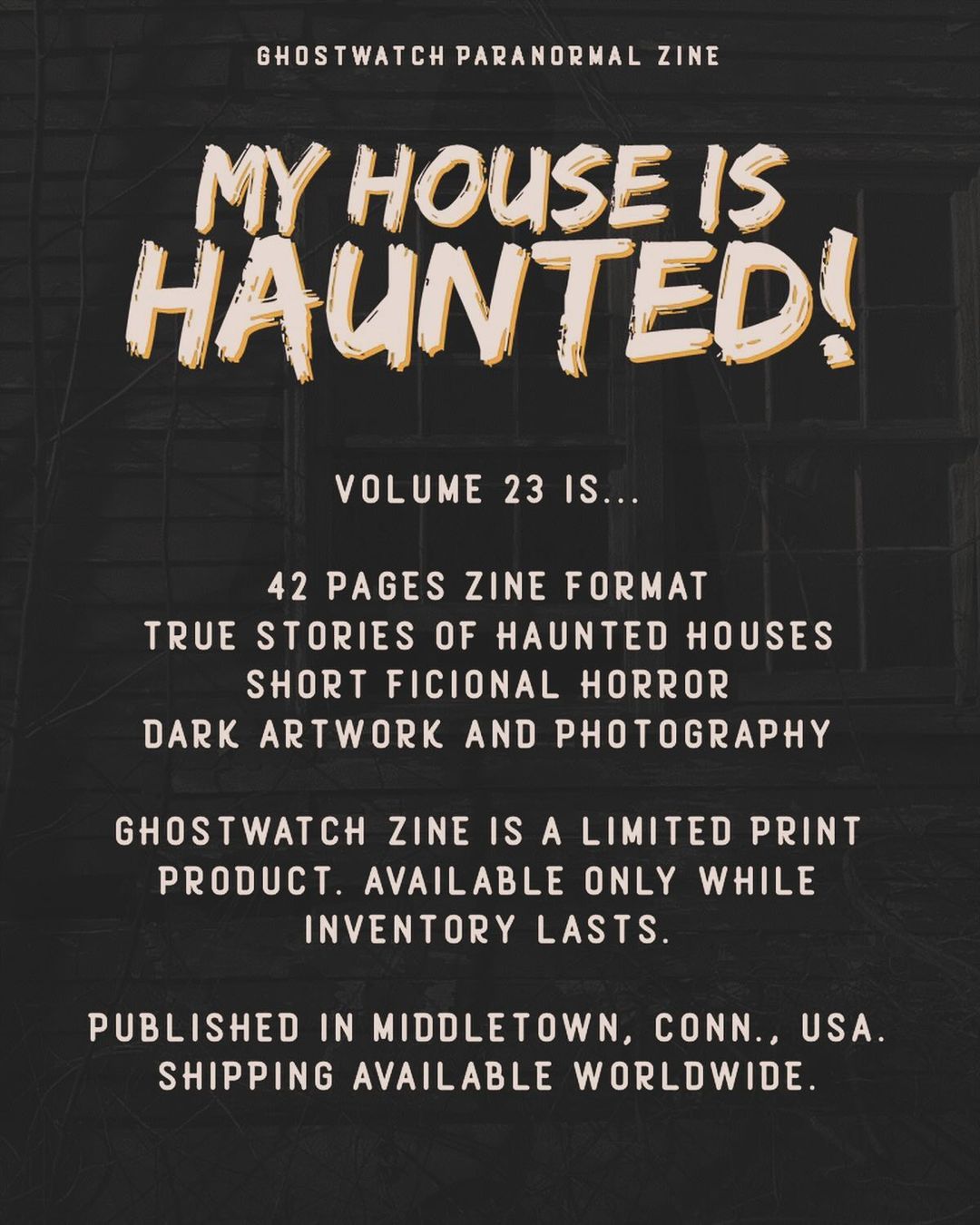
I’m excited to have a short story appearing in the latest issue of Ghostwatch.

My story, “The Sweet Blue House,” is based on a property I viewed while househunting in the suburbs of West Philadelphia. There’s nothing paranormal about what I saw, but some houses don’t need ghosts to be haunted.

Ghostwatch is a really neat publication. I have zero belief in the supernatural, and what I love about Ghostwatch is how it collects odd and interesting bits of folklore and documents local and regional cultures in the United States while maintaining a supremely chill attitude. The zine’s account on Instagram is a lot of fun too.

If you’re interested, you can order the “My House Is Haunted” issue here:
https://www.ghostwatch.us/product/vol-23-my-house-is-haunted

Seeded Ground

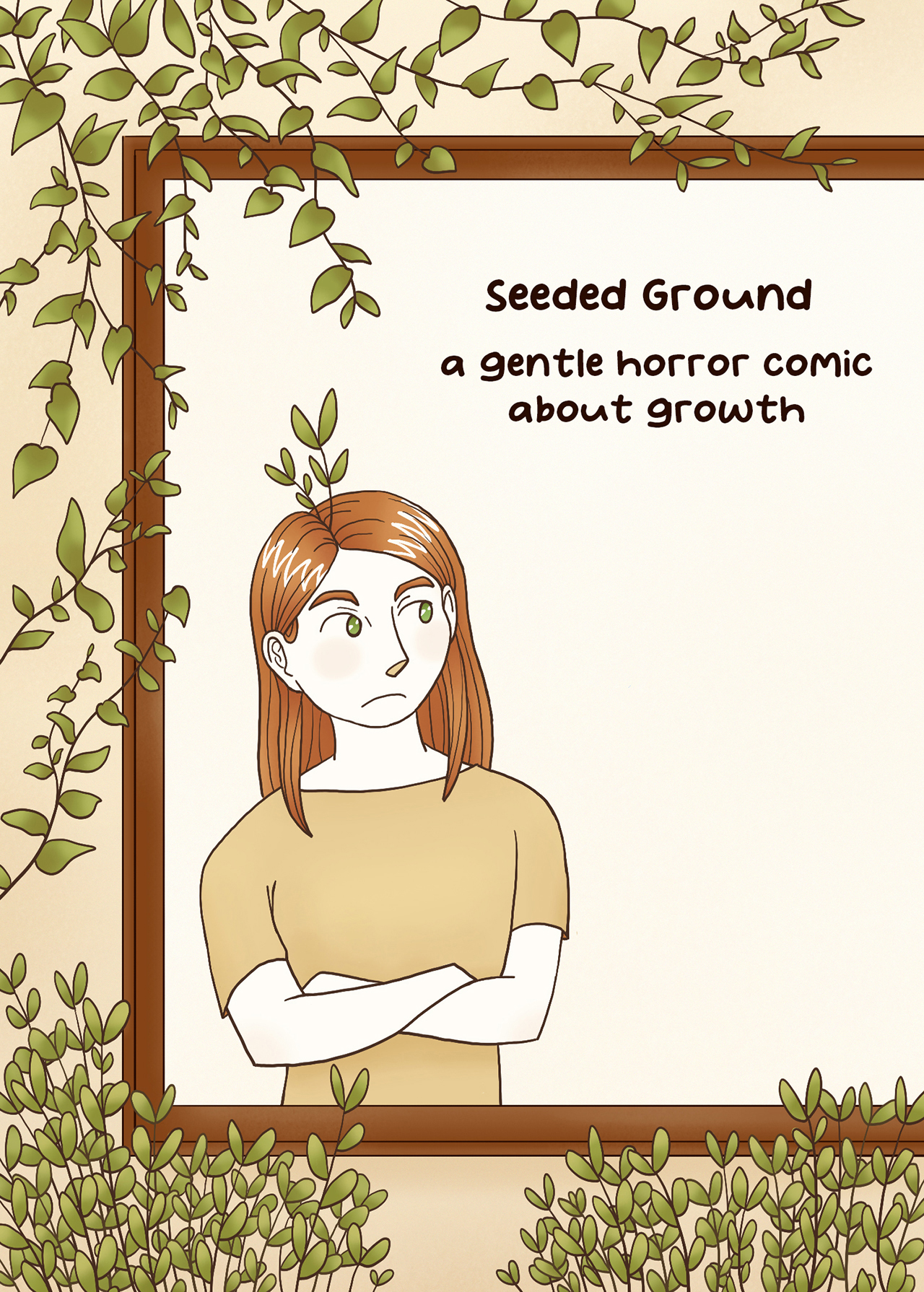
Seeded Ground is a twelve-page botanical horror comic about growth. It reads a bit like a supervillain origin story, but I created it as a statement of resistance against the oppressive ideologies of neoliberalism that have lured so many people in my generation into the trap of self-optimization.

You can download a free digital copy of the comic from Itch.io here:
https://digitalterrarium.itch.io/seeded-ground

I was inspired to draw this comic by a tweet written by a respected senior scholar. They argued that assigning at least five pages of writing every week is necessary to maintain “a certain standard of quality” in the undergraduate students who register for their classes.

This tweet inspired me to reflect on an unfortunate aspect of education in the United States. Namely, it’s an unstated but almost universally accepted goal of the formal education system to monopolize students’ time in order to train them to become the sort of adult workers who are willing to devote their lives to their career. An employee at a “good” job is expected to wake up early, commute, spend the entire day at work, and then go home and finish the tasks they didn’t have time to complete at the office. Meanwhile, freelance and part-time workers are expected to be available at any hour of the day, every day of the week, and at short notice. This is messed up, and I hate it.

My own experience as a professional working adult has essentially been the equivalent of that professor’s tweet. Namely, I’ve felt compelled to engage in meaningless work that no one will ever see in order to maintain the pretense of “a certain standard of quality.” Around the time of the pandemic, I got fed up. Was I really supposed to feel guilty about not replying to emails within 24 hours while I was sick with Covid? Fuck that.

These days I’m much more aggressive about enforcing boundaries concerning how much work I’m willing to do, and I can’t even begin to express how much the quality of my life has improved. I have no regrets.

As an epilogue to Seeded Ground, I illustrated a quote from the radical social theorist Herbert Marcuse’s 1964 book One-Dimensional Man: Studies in the Ideology of Advanced Industrial Society:

“If the individual were no longer compelled to prove himself on the market, as a free economic subject, the disappearance of this compulsion would be one of the greatest achievements of civilization.”

And he’s not wrong! I know it’s a twee Millennial stereotype to hate capitalism, but I really do believe that the point of life is not to optimize your performance as an employee. People need room to grow.

And if that growth is impeded? All sorts of bad things can happen. 🌿

Horror Fiction Zines at Common Meter Press

I’m honored to have three of my zines in stock at Common Meter, a new zine distro and poetry micropress!

These three zines – Ghost Stories, Haunted Houses, and Haunted Haiku – are only available through Common Meter. They’ve done a fantastic job with the listings, which you can find on their website (here). It’s incredible to see my creative work presented in such a cool and stylish way, and I’m beyond impressed by how Common Meter supports the writers and poets they work with. I understand that the press is currently creating a series of original, hand-printed chapbooks, so please check them out if you’re interested in reading (and perhaps publishing) cutting-edge writing.

I also want to recommend Common Meter’s Instagram (here), where they’ve started to post gorgeous photos featuring zines ranging from bright and colorful minicomics to letterpress poetry chapbooks. They’re just getting off the ground, and I can’t wait to see where the wind takes them.

Good Reads from 2022

Big Press Graphic Novel:
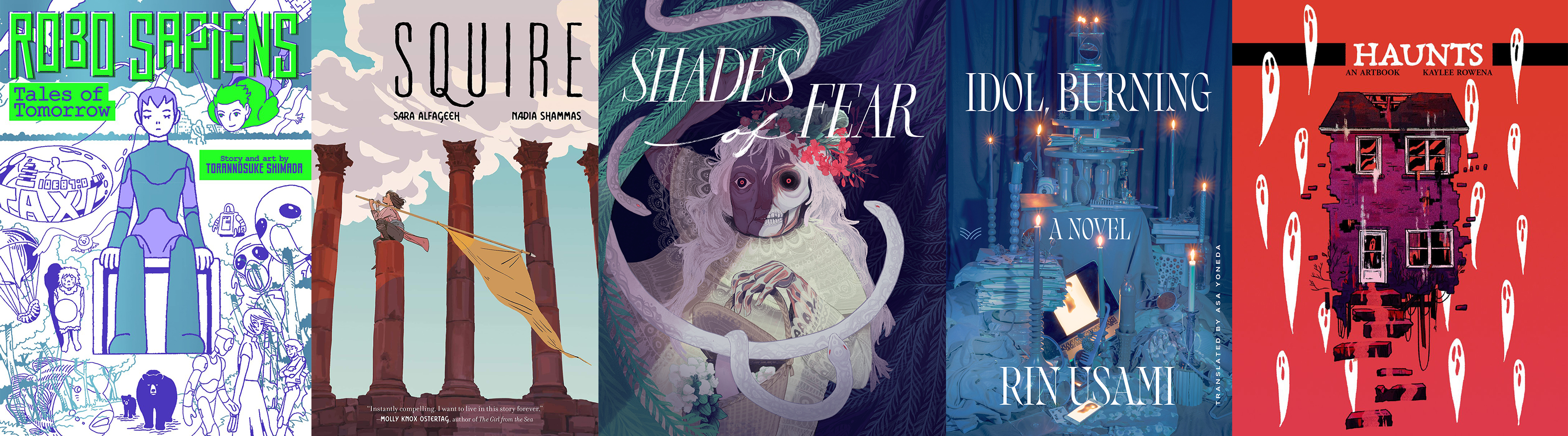
Squire by Sara Alfageeh and Nadia Shammas (HarperCollins Publishers)

Sara Alfageeh and Nadia Shammas’s graphic novel Squire is a low fantasy coming-of-age story about teenage recruits to an imperial army supposedly intent on “preserving the peace” of an arid land inhabited by different ethnic groups. We see this world through the eyes of Aiza, a fourteen-year-old from a minority ethnicity who intends to become a knight in order to gain citizenship and thereby ameliorate the poverty of her marginalized community.

Aiza’s fellow knights-in-training are a fascinating cast of characters, especially her friend Husni, who would much prefer to be a historian than a soldier and occasionally threatens to steal the show with his witty sense of humor and expressive body language. When Aiza begins training with the grizzled retired knight Doruk, the delicate layers of the story begin to unpeel as Aiza’s dream of assimilation is shattered by the realities of a collapsing empire.

Nadia Shammas’s writing is powerful and nuanced, and Sara Alfageeh’s art builds a world beautifully inspired by our own. Adrienne Resha’s review of Squire on Women Write About Comics unpacks the historical and contemporary cultural references behind the Middle Eastern and Arab-American inspirations of the graphic novel, and you can check out a few preview pages on the artist’s website.

Small Press Comic Anthology:
Shades of Fear, edited by Ashanti Fortson & Allison O’Toole (Balustrade Press)

Ashanti Fortson and Allison O’Toole’s Shades of Fear anthology collects ten short horror comics themed according to the strong use of a single color. The artwork is nothing short of spectacular, offering the reader both dazzling beauty and horrific imagery. As befitting the rich banquets of color, many of the stories share the theme of being devoured, either metaphorically through toxic relationships and generational trauma – or quite literally.

My favorite piece is Mar Julia’s “Bellies,” a work of poetic yet intense body horror about an order of immortal priestesses who dine well so that they may endow themselves with the fortitude necessary to make appropriate sacrifices to a (mercifully) unseen deity. The narrative depth of every short comic in the anthology recalls the gothic masterpieces of Emily Carroll, and I’ve often found myself returning to Shades of Fear to dig deeper for creative inspiration and visceral chills.

Manga:
Robo Sapiens: Tales of Tomorrow by Toranosuke Shimada (Seven Seas)

Toranosuke Shimada’s Robo Sapiens: Tales of Tomorrow is a one-volume graphic novel that begins in the near future and spans many hundreds of years of cosmic time. The manga’s ambitious narrative is pieced together from smaller and more intimate stories about the lives of individual robots and their human companions. Shimada is not concerned with whether robots have sapience; rather, these stories take the dignity and legal rights of artificial intelligence for granted in order to ask questions about what personal happiness might look like should “humanity” be separated from its current embodiment.

Shimada’s artwork is deceptively simple and allows the reader ample space to appreciate the timelessness of each character’s story even as the world around them changes. Despite the gaps between chapters, I found it profoundly moving when the narrative threads began to connect toward the end of the manga. Robo Sapiens contains a number of subtle references to the pioneering work of Osamu Tezuka, but Shimada’s speculation on a posthuman future brings a fresh and nuanced perspective to familiar tropes.

Fiction:
Idol, Burning by Rin Usami (HarperCollins Publishers)

Rin Usami’s Idol, Burning is only 115 pages long, but it’s a whirlwind ride through the psychology of boy band fandom. The narrator is failing out of high school because the Japanese education system refuses to accommodate her learning style, and her world begins to fall apart when the pop star she idolizes becomes the target of social media discourse. Usami is unflinching in her portrayal of online fandom cultures, and she’s refreshingly honest about the adverse effects that flamewars can have on vulnerable people seeking support in fandom communities. It’s not always easy to read Idol, Burning, but I couldn’t put it down. 

The English translation of the book includes short essays by the author and her translator, as well as statements from the cover designer (surrealist photographer Delaney Allen) and the illustrator (comic artist Leslie Hung). The novel’s story stands on its own, but it’s a treat to read about the inspirations of the writers and artists who brought it to life.

Zine:
Haunts by Kaylee Rowena

I recently had the pleasure of flipping through Kaylee Rowena’s zine Haunts, which collects the American comic artist’s illustrations of haunted houses. I especially appreciate the epilogue, which takes the form of a short essay about houses and hauntings and memory. It’s a fantastic piece of writing, and Rowena acknowledges the influence of a YouTube video called “Control, Anatomy, and the Legacy of the Haunted House” by the video game critic Jacob Geller

This video discusses the trope of the haunted house through the two games mentioned in the title, but it has deeper cultural resonance and doesn’t require any prior knowledge. It’s also my favorite type of video essay: it’s only twenty minutes long, it has subtitles, and it’s not necessary to watch the video footage if you just want to listen to the audio. I’ve been feeling a bit more homebound since the weather has gotten colder, and the combination of Rowena’s colorful art and Geller’s video essay have helped me appreciate the magic and mystery of walls that continue upright and doors that remain sensibly shut.

Video Game:
Stray, developed by BlueTwelve Studio and published by Annapurna Interactive

You may have seen your favorite artists posting tributes to the game Stray, which was released in July by Annapurna Interactive, a publisher that specializes in unique and stylish narrative games. The game’s website describes it as “a third-person cat adventure game set amidst the detailed, neon-lit alleys of a decaying cybercity,” but really it’s about hope and friendship. The story is divided into twelve chapters that alternate between nonviolent 3D platforming segments and more text-based exploration segments, the combination of which provide a fun and interesting mix of narrative elements. Stray is accessible to a diverse range of gamers, and the rich and detailed visual splendor of the posthuman cityscape will be a delight to fans of cyberpunk comics and manga.

. . . . . . . . . . . . . . .

All of these mini-reviews were originally published as part of the monthly “WWACommendations” roundtables on the website Women Write About Comics. You can find these posts on the WWAC website (here) and follow WWAC on Twitter (here).

At the End of Everything: A Night in the Woods Fanzine

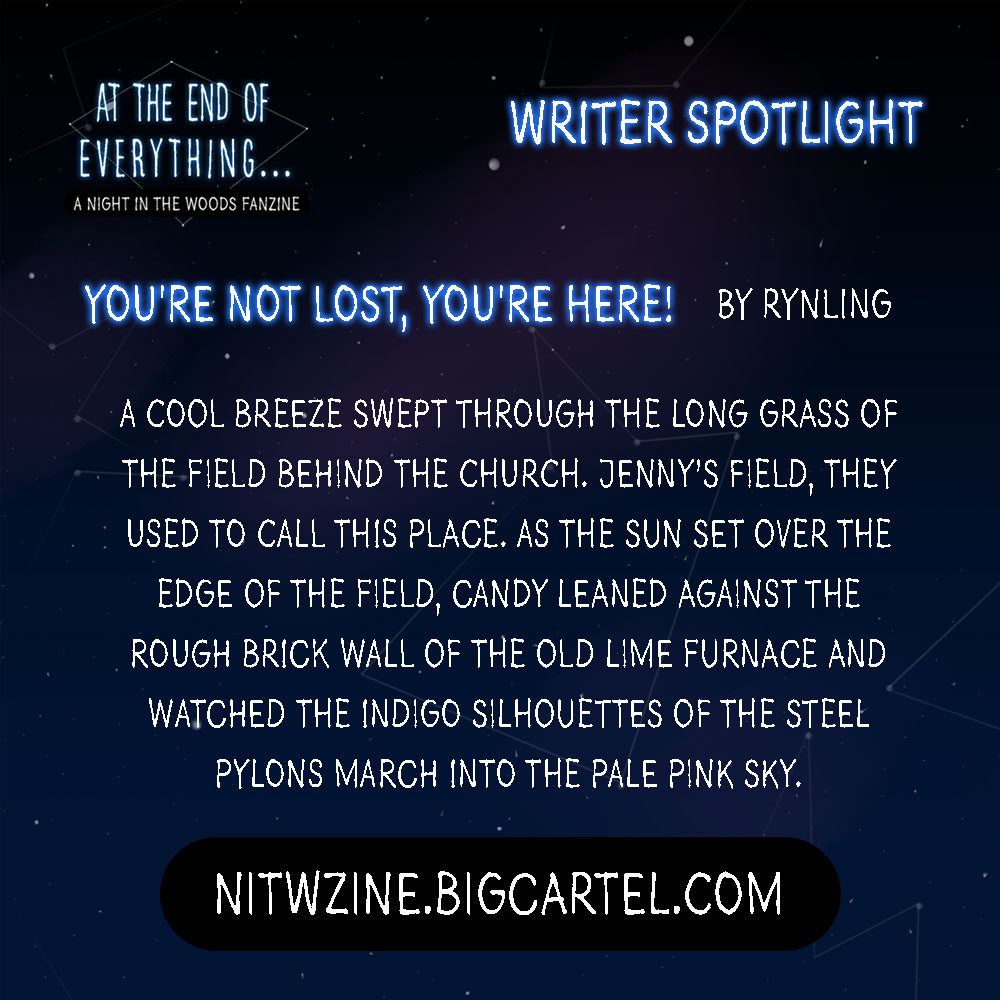
I’m excited to have a story in At the End of Everything, a fanzine celebrating Night in the Woods. My piece is a series of connected vignettes about the subtle uncanniness of daily (and nightly) life in Possum Springs, and the atmosphere is pure Rust Belt Gothic heavily based on my own experiences in rural West Pennsylvania. Preorders for the zine are open until November 30. In the meantime, please feel free to check out the free wallpapers available on the zine’s Carrd site. 

🍂 https://nitwzine.bigcartel.com/
🍂 https://nightinthewoodszine.carrd.co/

Quiet Haunting

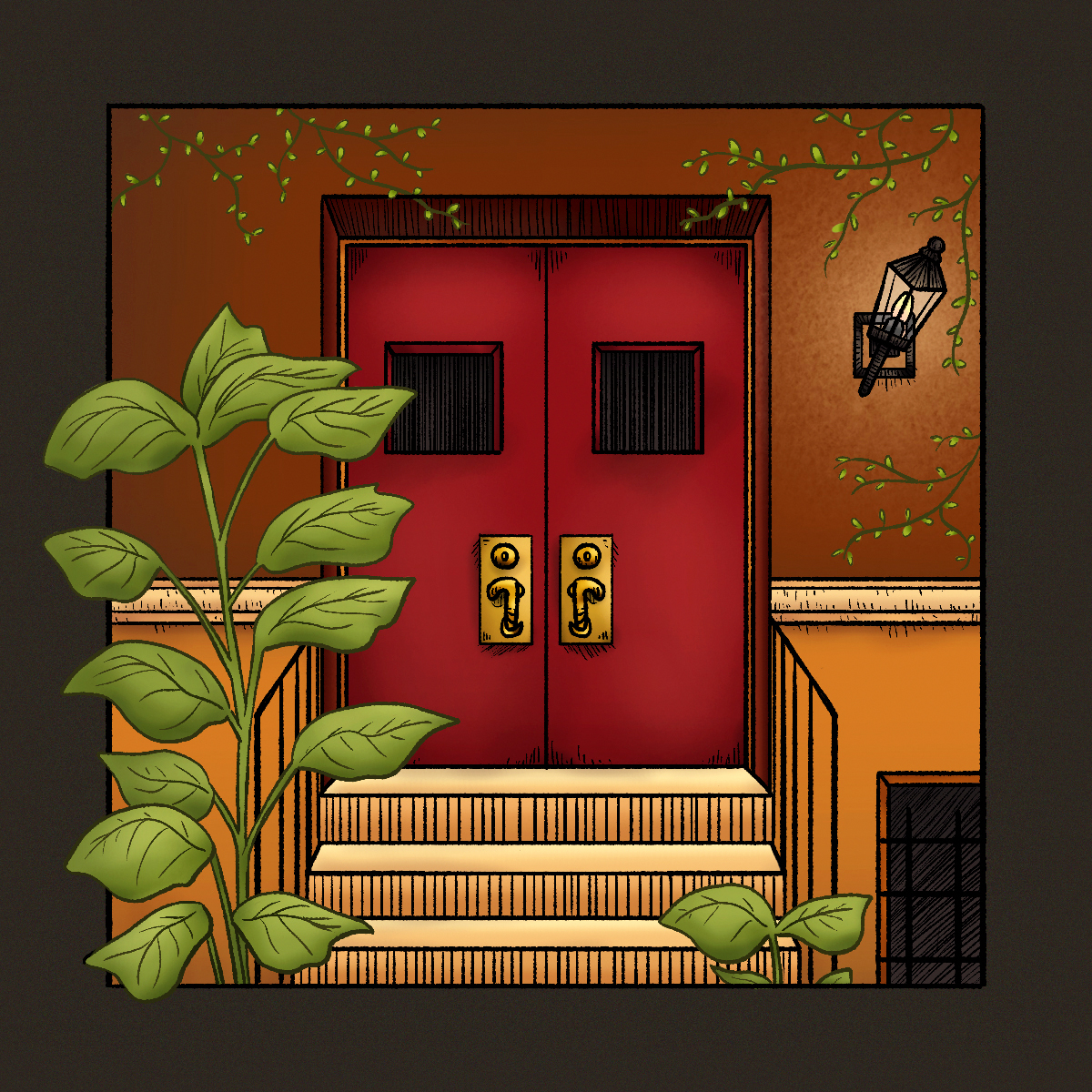
I moved to South Philadelphia toward the end of the pandemic. My landlord raised the rent, and it was cheaper just to buy a house. Granted, it’s not a big house, nor is it particularly nice. The floors are uneven, and the ceiling sags. The kitchen is like the set of an old movie, and the basement is infested with centipedes. But it’s affordable, and it’s quiet, especially since no one lives next door.

I’ve recently started to hear things moving on the other side of the townhouse wall. The noises aren’t loud, nor are they frequent. It’s mostly soft shuffling and light tapping, usually right before dawn and just after dusk. To make matters even more curious, someone has been watering the plants in the house’s back yard. Two leafy fig trees have grown from small sprouts to extraordinary heights over the summer.

Earlier this evening, I noticed that the house’s back door was open. It was just a crack, as if someone had forgotten to close it. The opossums that live in the alleyway will come inside and eat your trash if you let them, so I figured I’d be doing someone a favor if I closed the door. I climbed over the crumbling cinderblock wall and maneuvered through the foliage. When I put my hand on the knob, the door surprised me by swinging open.  

There was nothing inside, just uneven floors and sagging ceilings like my own, but I could hear a beeping sound emerging from the basement. I peeked down the stairs, where I saw an older man in a colorless cardigan sweater sitting on a metal folding chair. He was flipping through an issue of National Geographic that he’d taken from a cardboard box filled with old magazines.

I froze in alarm, but he looked up and met my eyes before I could back away. “I’m sorry to bother you,” I apologized. “I live next door, and I heard the beeping. I was worried something was going to explode.”

“It’s fine.” He shrugged. “It’s just an oven timer. I figured I’d give it a few more minutes, but I might as well turn it off.”

I felt awkward, like I couldn’t just leave, so I asked him why he was sitting in the basement with an oven timer.

“They pay me to look after the place,” he answered. “You know, rattle a few chains, make some thumping noises in the night. Feed the spiders, maybe put a bloody handprint on the window. That sort of thing. It keeps the property values down.”

I realized that I could see the back of the chair through the man’s sweater. This didn’t bother me as much as you’d think it would. I’d seen stranger things in the neighborhood, and the man seemed nice enough.

“I haven’t really heard anything from next door,” I admitted. “Do you want me to be more scared?”

“Don’t sweat it. They’re not paying me much, and I haven’t gotten a raise in years. My heart’s just not in it these days.” With a sigh, he closed the magazine and tossed it back into the box before disappearing in a thin wisp of smoke.

I left the basement, closing and locking the door behind me before returning to my own house. I guess the post-pandemic economy has been tough for everyone. All things considered, I don’t mind living next door to a haunted house. Like I said, it’s affordable, and it’s quiet.

. . . . . . . . . . . . . . . . . . . .

This illustrated short story was originally published in the Philly Zine Fest 2022 Anthology. This year’s Philly Zine Fest was held at Temple University on Saturday, November 5. Despite a giant political rally happening right across the street that afternoon, it was a very chill and relaxed event with lots of good vibes and creative energy. It’s been my dream to table at the Philly Zine Fest for years, and it was just as amazing as I hoped it would be. Here’s to many more celebrations of independent artists and writers in years to come! If you’re interested, you can find the Philly Zine Fest website (here), and it’s definitely worth checking out their parent organization, The Soapbox Community Print Shop & Zine Library.