Review of Bold Breaks: Japanese Women and Literary Narratives of Divorce

I recently had the honor of writing a short review of the anthology Bold Breaks: Japanese Women and Literary Narratives of Divorce for the online academic journal Studies on Asia.

Bold Breaks combines four substantial literary translations with a lovely set of introductory and contextual essays by the translators. It’s a very cool anthology on an important theme that’s gotten surprisingly little scholarly attention, and I’d love to see more books like this!

Here’s a short excerpt from my review:

With its equal emphasis on translation and analysis, Bold Breaks points toward a model that deserves to be more widely adopted, especially as there are relatively few books that pair substantial works of translated fiction with critical analysis that remains accessible without sacrificing depth. The generous endnotes and translator introductions contextualize the stories while illuminating the craft of translation itself, underscoring how interpretation and analysis are inseparable. It’s also worth noting that the collection is a pleasure to read, as the stories carry an emotional immediacy that complements their scholarly framing.

If you’re interested, you can read the full review here:
https://studiesonasia.scholasticahq.com/article/164797-book-review
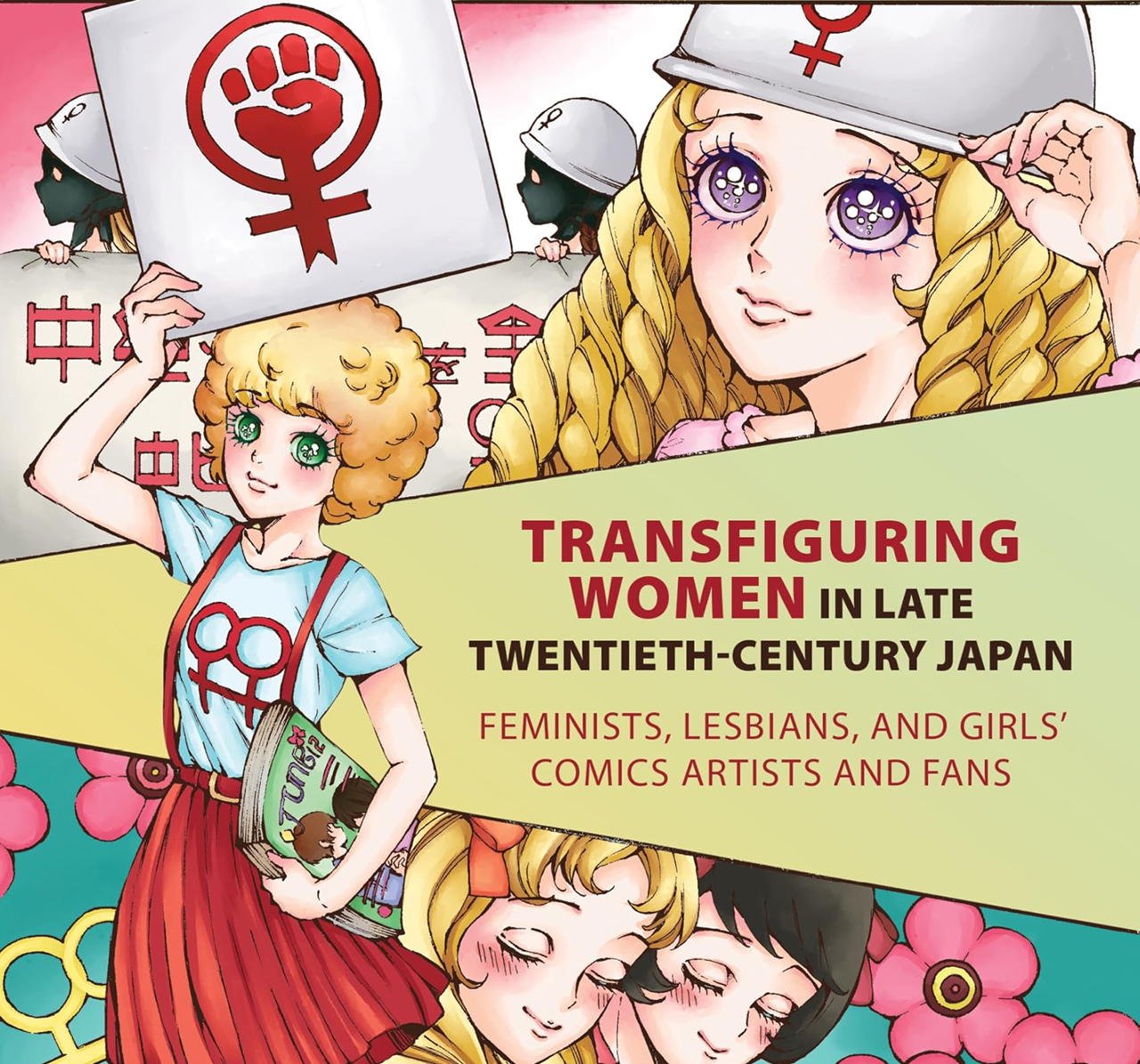
Review of Transfiguring Women in Late Twentieth-Century Japan

I had the immense honor of writing a short review of James Welker’s monograph Transfiguring Women in Late Twentieth-Century Japan for the online academic journal Studies on Asia. I have to admit that I love this book beyond reason. As a queer artist myself, this is something I’ve wanted since I first entered grad school – a serious and careful reading of classic shōjo manga that takes the actual lives and politics of the creators into account. Welker’s book is so smart, and so kind, and such a pleasure to read, honestly. Here’s an excerpt from my review:

Transfiguring Women in Late Twentieth-Century Japan is especially admirable in its clear and cogent demonstration that queer and feminist histories remain vitally relevant for our understanding of contemporary transcultural media flows. Welker is writing against the backdrop of intense (and often discursively violent) conversations on social media regarding the appropriation of queer and racialized identity among international fans of anime and manga. By demonstrating that both fictional stories and real-life communities in Japan have always engaged in a process of creatively transfiguring identity, Welker encourages the redirection of energy to an appreciation of the history and complexity of feminism and queer identity.

This monograph also serves as an important critical resource for the study of transcultural Japanese media cultures and a welcome reminder that, while the settings of manga may be fantastic, the concerns of their creators are grounded in social and political realities. Through the depth of Welker’s archival research and the insight of the interviews that illuminate the spaces between printed words, Transfiguring Women in Late Twentieth-Century Japan stands as a proud contribution to feminist scholarship on Japan’s intellectual history.

You can read the full review here:
https://studiesonasia.scholasticahq.com/article/154868-book-review