Green Dreams: Tales of Botanical Fantasy

I’m excited to announce that I published a new zine! Green Dreams: Tales of Botanical Fantasy collects six illustrated stories about our relationships with plants and nature.

“Each turn of the seasons brings an end to lives both large and small, but new seeds sprout joyously from the ruins” is the zine’s tagline, and disaster is a major theme of the collection. One of the opening stories is about the gradual effects of climate change; and, in the closing story, environmental catastrophes have become so severe that humans have disappeared completely. The zine also features stories about a medical tragedy narrowly averted, the aftermath of a devastating war, and a porous biological quarantine.

I considered subtitling the zine “Tales of Botanical Dark Fantasy,” but the truth is that none of the stories are actually that “dark.” In fact, I’d say the main theme of the collection is a persistent hope for the future. At this particular moment in history, the state of the world seems very bleak, so it’s good to remember that the environment that surrounds us is much larger – but also much more personal – than whatever horrors are currently unfolding.

Precisely because are so many fires burning in the world, I think it’s important to spend time in thriving green spaces that suggest futures of shifting and changing growth. I believe that a mindful contemplation of our natural environment can also be useful in the uncomfortable but necessary process of decentering normative humanity while challenging the artificial divisions we impose on ourselves and each other.

The incredible cover art by Frankiesbugs captures the mood of these stories perfectly.

Frankie creates bold and imaginative botanical fantasy art, and I asked them to illustrate the pagan archetypes of the flower maiden and the horned god, who together represent the endless natural cycle of death and rebirth. In this zine, I wanted to play with symbols that convey the beauty and mystery of the natural world, and Frankie embraced this theme, tinging the painting with potent Christian motifs and a powerful sense of fertility.

It’s an extremely impressive piece of art, and you to check out more of the artist’s work on Instagram (here), on Bluesky (here), and on Redbubble (here).

In this collection, I did my best to share a sense of fertile “green dreams” for the future. Mostly, though, I just really wanted to write some fun ecofiction about plants and mushrooms.

If you’re interested, you can read a free digital version of the zine on Itch.io or order a print copy from Etsy.

🌿 https://digitalterrarium.itch.io/green-dreams
🌿 https://www.etsy.com/listing/4351990958/green-dreams-fantasy-fiction-zine

Summer Break

In December 2019, I printed a chapbook that contains my unofficial translation of Hiromi Kawakami’s “Summer Break” (Natsu yasumi), the second story in the author’s prizewinning 1998 collection Kamisama. This story has not been officially translated, so I created a translation of my own to use in my Japanese literature classes.

“Summer Break” is a Studio Ghibli style celebration of the magic of the natural world and a quiet meditation on coping with mental illness. The narrator spends a few weeks working at a pear orchard, where they unwittingly adopt a trio of small tree spirits. One of these creatures is humorously neurotic, and its anxiety for the future resonates with the worries of the narrator, who feels that the world is slipping away from them.

You can download a free PDF copy of the chapbook from Itch.io here:
🌿 https://digitalterrarium.itch.io/summer-break

The cover illustration was created by Koyamori, who goes by @maruti_bitamin on Instagram.

Ms. Weaver’s Halloween Candy

I’m proud to see my story “Ms. Weaver’s Halloween Candy” in the newest issue of Suburban Witchcraft.

“Ms. Weaver’s Halloween Candy” is a magical realist suburban gothic fantasy about love, creativity, and the (human) sacrifices necessary to survive as an outsider in academia. The piece begins as a Stephen King style story about a kid on a bike investigating a local legend in a small college town, but it gradually unravels into a veiled reworking of the Ariadne myth as the protagonist learns that the ambitions of her mother extend far beyond the confines of her family.

Suburban Witchcraft Magazine is a gorgeous digital repository of weird writing with a literary bent, and each issue is free to read online. You can check out the issue with my story here:

📚 https://suburbanwitchcraft.com/issue6

Strange Things Happen in Philadelphia

Strange Things Happen in Philadelphia collects six short pieces of weird fiction about the past, present, and near future of a city where anything can happen. Philadelphia is simultaneously filled with decaying ruins and vibrant cultures, and I see the stories in this zine as a celebration of those of us surviving and thriving during the slow collapse of the American empire. Nothing in these stories is real, of course, but I’ve drawn them from a deep well of local folklore and hearsay.

To tell the truth, I don’t actually know that many people in Philadelphia. I lived here for most of grad school but then moved away to chase various academic jobs. I returned during the pandemic, which wasn’t a great time to meet new people or reconnect with old friends. I’ve tried to apply to local writing groups and workshops but haven’t gotten anywhere (yet).

Don’t get me wrong – I’m fortunate to enjoy the support of various writing communities online. Still, my personal experience of Philadelphia has been mediated by long solitary walks through parts of the city that have a lot of abandoned buildings, many of which have fallen to ruin.

One of these areas is my own neighborhood of Point Breeze, which is a lovely place to live but also filled with decrepit warehouses and other abandoned properties. I myself live next door to a derelict funeral home, and I’m constantly reading threads on various Philadelphia reddit boards about the struggles of homeowners whose townhouses adjoin similarly abandoned buildings.

It’s worth emphasizing that Philadelphia is densely populated. In fact, one of the reasons I love living here is that there are always people on the street at all times of the day and night. In a lot of ways, Philadelphia reminds me of Tokyo. It’s an affordable city with a lot of history, culture, and potential…

…but that’s not really what these stories are about. As I edited this zine, I realized that it’s pervaded by a sense of loneliness. Not an unpleasant loneliness, but rather the unique perspective afforded to a stranger. When you’re alone, you end up seeing things that perhaps other people might miss, and that sense of strangeness is what I wanted to capture in this collection.

I was fortunate to be able to work with Kaylee Rowena, an architectural wizard of the highest order, to create the art for the zine cover. The zine also features a spooky illustration of Mothman by an artist of the odd and surreal who goes by Gravemud on Tumblr, as well as a gorgeously aesthetic illustration of two elegant monsters by the brilliant and stylish Critter Crafter Ally. I’ve also included a half dozen of my own illustrations.

Unlike my previous short fiction zines, Strange Things Happen in Philadelphia is printed in full color, and I’d like to think it’s an attractive little book. If you’re interested, you can download a free digital copy from Itch.io or order a physical copy from Etsy.  

🌇 https://digitalterrarium.itch.io/strange-philly-zine
🌇 https://www.etsy.com/listing/1761448527/strange-philadelphia-fiction-zine

My House Is Haunted!

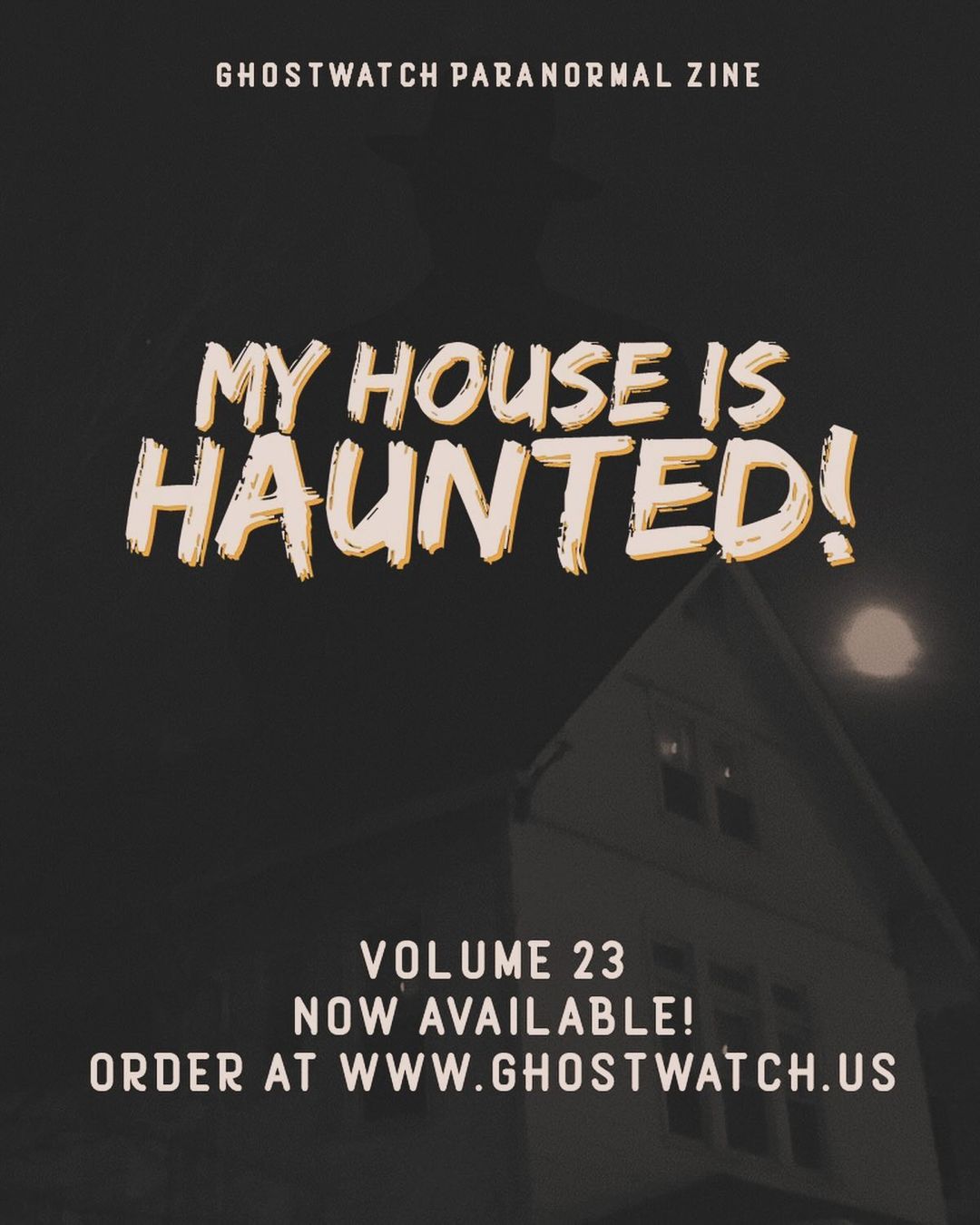
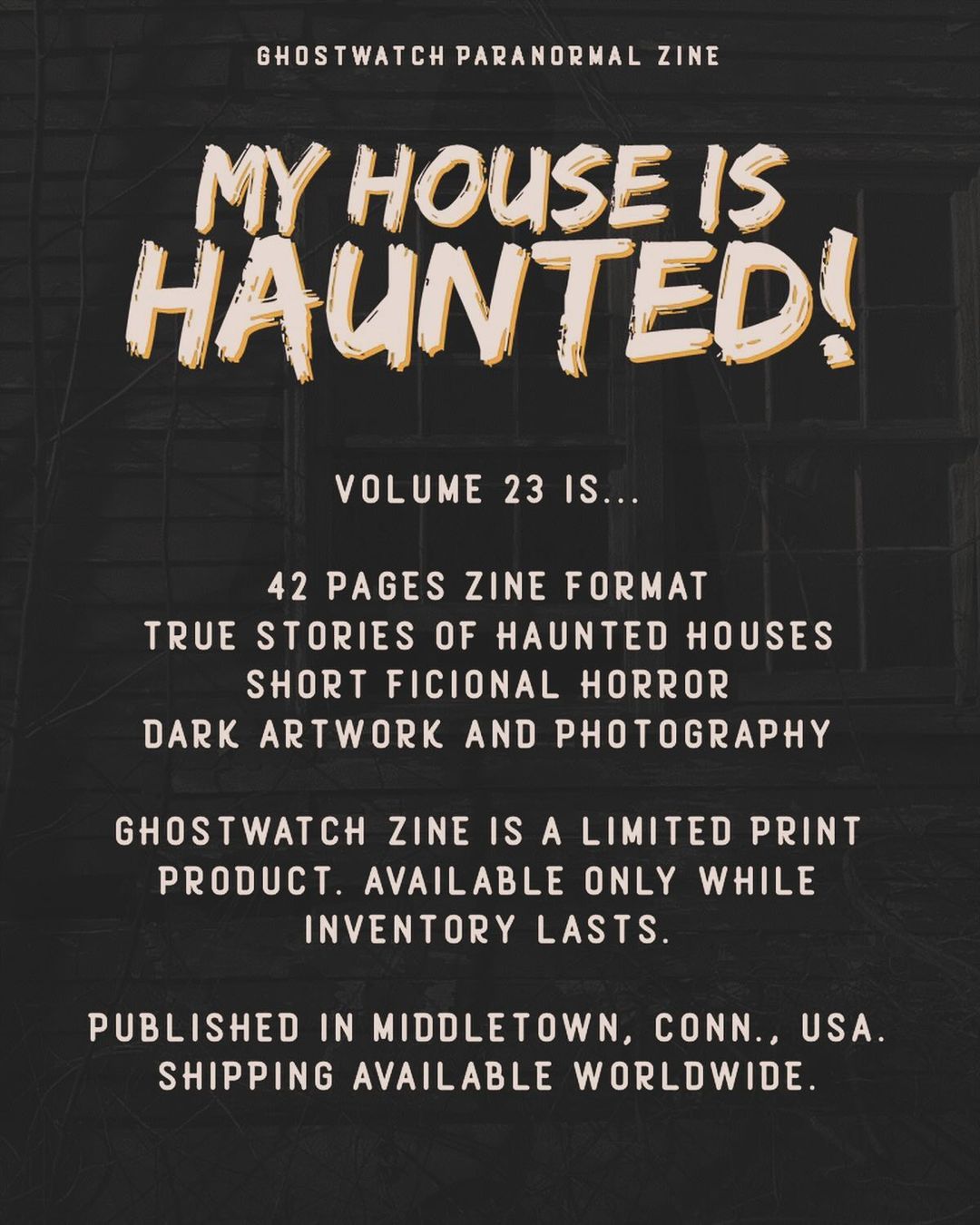
I’m excited to have a short story appearing in the latest issue of Ghostwatch.

My story, “The Sweet Blue House,” is based on a property I viewed while househunting in the suburbs of West Philadelphia. There’s nothing paranormal about what I saw, but some houses don’t need ghosts to be haunted.

Ghostwatch is a really neat publication. I have zero belief in the supernatural, and what I love about Ghostwatch is how it collects odd and interesting bits of folklore and documents local and regional cultures in the United States while maintaining a supremely chill attitude. The zine’s account on Instagram is a lot of fun too.

If you’re interested, you can order the “My House Is Haunted” issue here:
https://www.ghostwatch.us/product/vol-23-my-house-is-haunted

Terrible People

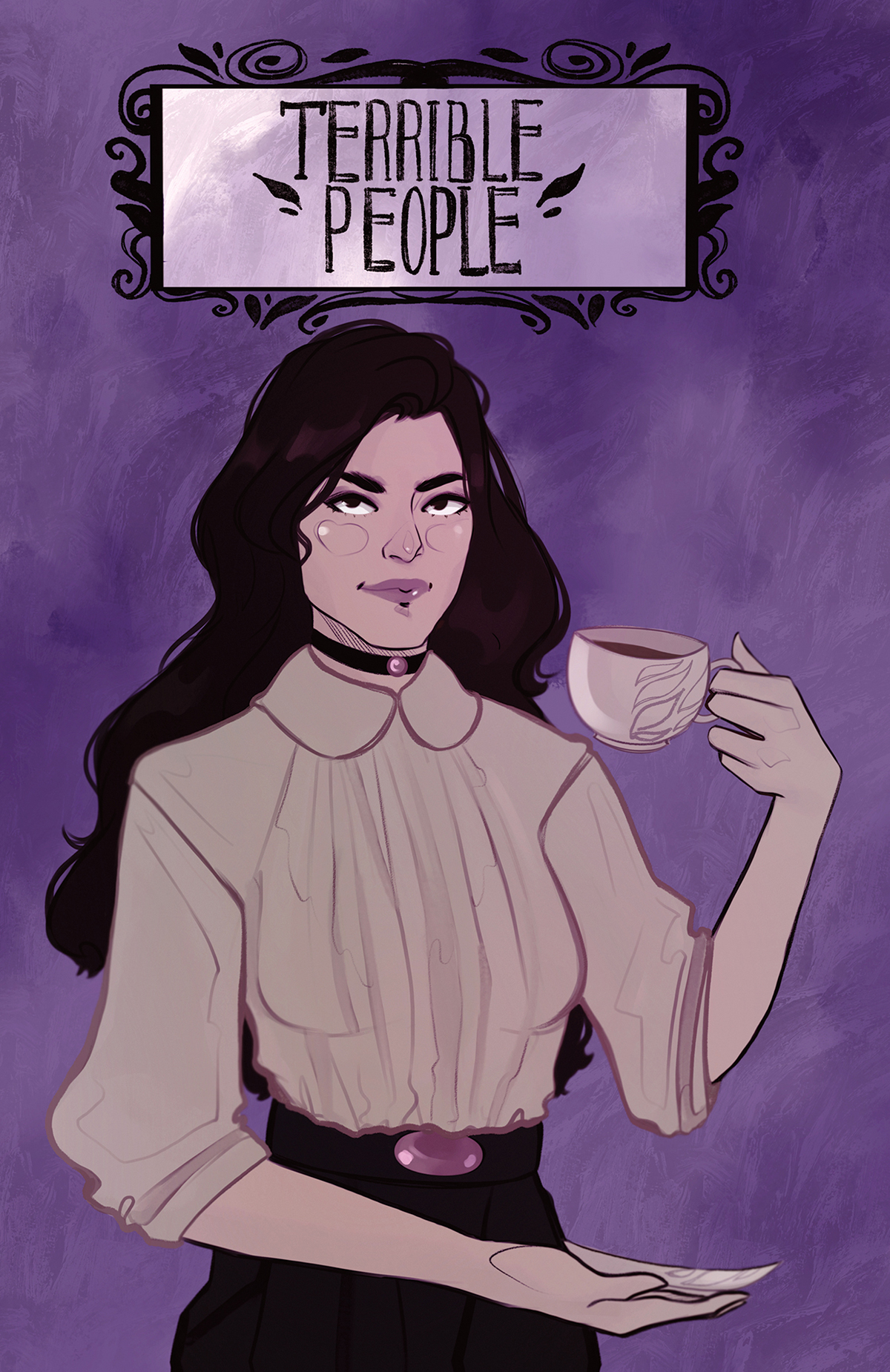
Terrible People collects six short and eerie tales of dark fantasy, unfortunate encounters, and horrible life choices. The writing is accessible to teenagers and adults alike, and there’s a diversity of death, poison, and murder for everyone to enjoy.

Terrible People is my fifth zine of original short fiction, and it’s the first that feels like a real short story collection. Each of the stories in this zine was accepted for publication elsewhere; but unfortunately, every single one of these publications was cursed. To give an example, one online magazine closed their website and deleted their social media accounts less than a month after they accepted one of these stories. To give another example, a small press that published an anthology with another of the stories burned down, meaning that almost all copies of the book were destroyed.  

Perhaps I’m tempting fate by printing these stories on my own. Who can say?

If you’d like to order a (totally not cursed) copy of the zine, it’s on Etsy here:
https://www.etsy.com/listing/1556837985/terrible-people-horror-fiction-zine

At 52 pages, the zine is relatively lengthy, which means I was able to give it a spine. This necessitated extra formatting work, and I feel like I’m slowly starting to understand the art of book design. What I’m thinking of doing in the near future is making a short chapbook from a single story and experimenting with the formatting until it looks more like an actual book. Terrible People is probably the last zine I’m going to make that has the style of formatting I’m using now, which I actually quite like.

I’ve been thinking that perhaps it might be nice to set up a micropress one day. For the time being, however, I’m content simply to continue writing these strange little stories while hoping that the curse haunting my attempts to publish them eventually dissipates.    

The Girl in the Screen at the End of the World

It’s been more than twenty years since rumors about a cursed videotape began to spread. The stories were true, and Japan is in ruins. Can the people who survived the collapse of civilization escape Sadako’s curse? Or do they seek her out instead?

“The Girl in the Screen at the End of the World” is a series of four short vignettes about the last living humans making their peace with the end of the world as Sadako bids a gentle goodbye to modern civilization. All of the human characters in the story die, but all the animals go on to live their best lives.

The story is complete at 1,800 words, and it’s on AO3 here:
https://archiveofourown.org/works/47735320

I had the immense privilege of working with an artist who goes by Vani on an illustration for this story. I was inspired by his short Animal Crossing comic about grief (here), and I love the way he draws handsomely rendered characters in lush environments brought to life by bold colors. You can find more of his evocative art on Twitter (here), on Instagram (here), and on Tumblr (here).