In Defense of Dondons

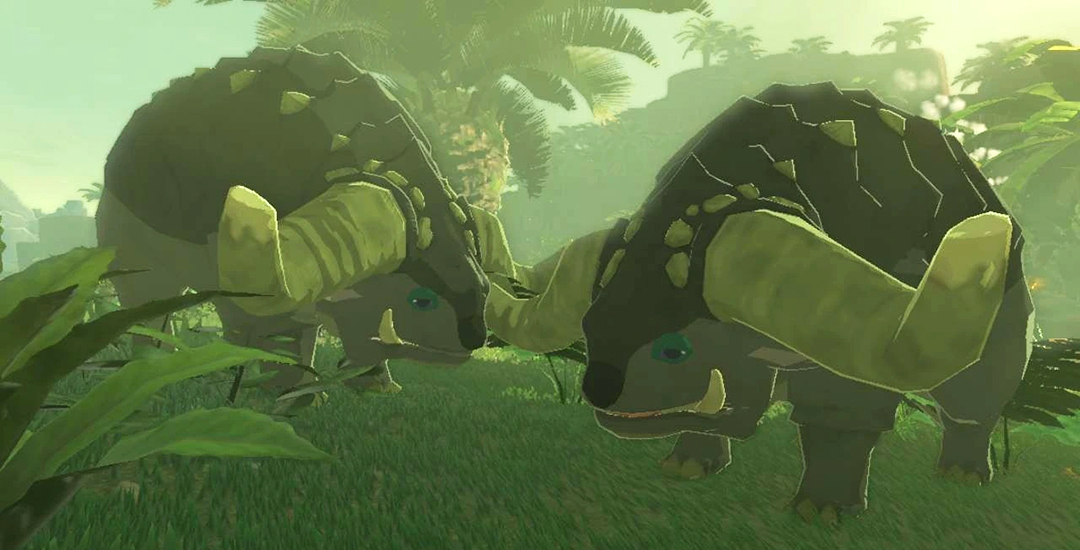
The Dondons are something of an anomaly in Tears of the Kingdom. In a teaser trailer for the not-yet-titled sequel to Breath of the Wild that premiered at E3 in June 2019, Zelda and Link are shown walking through a cavern in the company of an ox-like animal. This cutscene didn’t make it to the final version of the game, but the animals were preserved as a small herd of Dondons in the forest next to Lakeside Stable.

According to Cima, their caretaker, there are only five of these creatures in the world, and we don’t know much about them save that they eat luminous rocks. Aside from providing an inconvenient method of gem farming, the Dondons don’t serve any real purpose. In terms of the game’s story and lore, they feel like an afterthought.

Still, I like the Dondons. One of the things I love about the Legend of Zelda series is how the games include all sorts of heterogeneous elements that aren’t related to the main story and don’t fit into the lore. So I want to try to defend the Dondons, as well as the silliness of the Zelda games in general.
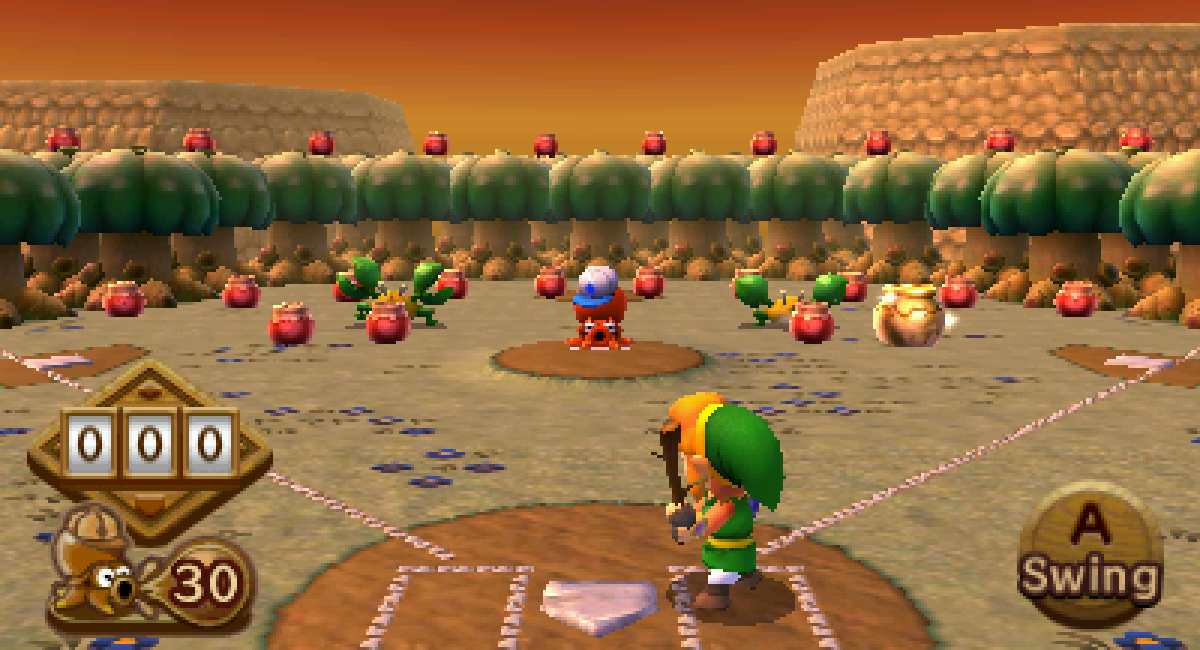
The Octoball Derby in A Link Between Worlds is a good example of what I’m calling a “heterogeneous element,” or something that doesn’t fit into the conventions of the in-game world. In this Lorule minigame, an Octorok pitches baseballs at Link (by shooting them from its mouth, of course) while two of its Hylian friends keep score from the sidelines. This Octorok is named Octo, and it can talk. 

So can all Octoroks talk, or just the ones in Lorule? If Octoroks can talk and be friends with the Hylians in Lorule, what does it mean that Link has been killing them in Hyrule? If the Octoroks in Hyrule don’t have sapience, why not? And… How is there baseball in the Zelda universe?

I don’t think these questions are meaningful. What the Octoball Derby does is to take two characters from A Link to the Past – the two transformed Hylians on top of Death Mountain in the Dark World who tell Link about the Moon Pearl – and put them in a space that wouldn’t otherwise by occupied, while at the same time providing the player with a (questionably) fun minigame. Octoball Derby is pointless and silly, but it adds color to the world.  
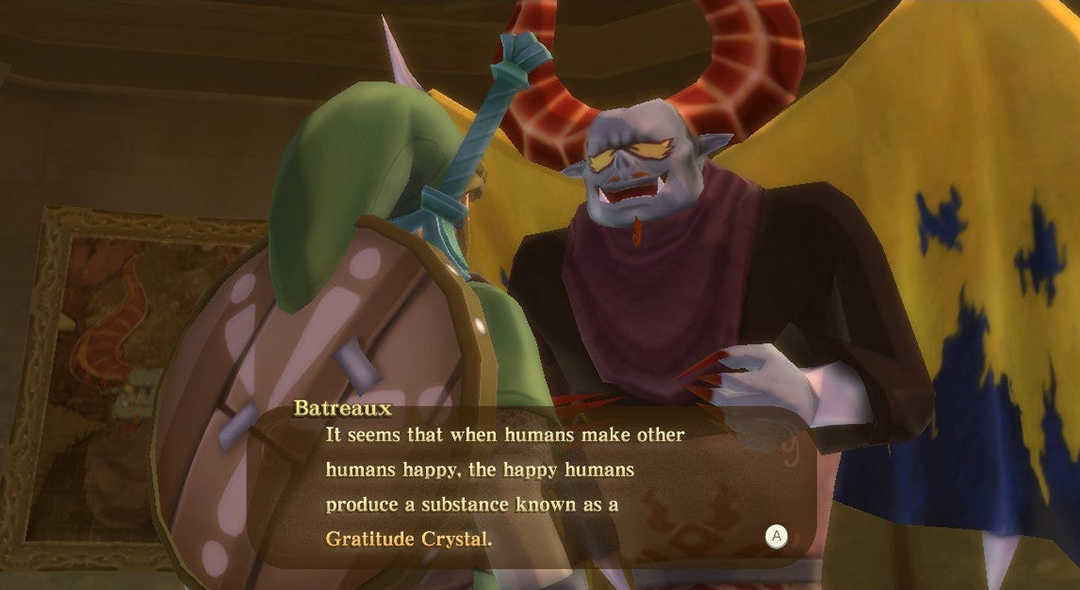
For me, one of the most striking examples of a “it’s best not to think about it too hard” heterogeneous element in a Zelda game is the character Batreaux in Skyward Sword. Batreaux is a demon whose presence in Skyloft makes animals aggressive at night. In terms of personality, though, Batreaux is a sweet older man who wants to shed his demonic nature so he can live among the Hylians.

Since there’s nothing evil or sinister about Batreaux’s actions or personality, what does it mean that he’s a demon? Are demons just normal people who happen to summon monsters simply by existing? Do demons have anything to do with Demise? And what does it say about Skyloft that, when Batreaux achieves his wish to become a Hylian, everyone simply accepts him?

As intriguing as these questions are, they don’t have answers. Batreaux is just the goofy character who gives Link wallet upgrades in exchange for the gratitude crystals the player gets for doing sidequests, and he’s loosely based on the bats who offer similar upgrades in A Link to the Past and Link’s Awakening. Batreaux is meant to be a fun allusion to earlier games, not to pose questions about the ontology of different categories of beings in Hyrule.

I feel like the Dondons belong to the same category. They’re cute animals that eat glowing rocks and shit gemstones, and they may possibly be a time travel paradox created by Zelda. How is it possible that the Dondons, like other manifestations of the Great Upheaval, appeared in Hyrule before Zelda ever traveled back to Rauru and Sonia’s era? Do these creatures come from the Depths? How do they fit into Hyrule’s ecosystem? How did Zelda discover them, and why are there only five? These are interesting questions, but I don’t think they’re supposed to have answers.
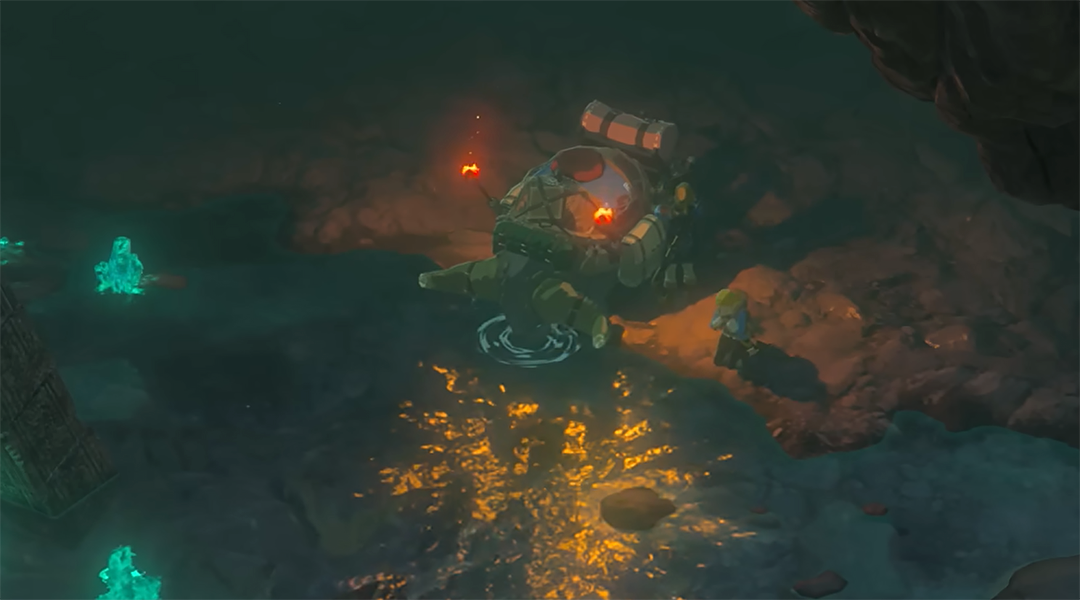
The 2019 “first look” teaser trailer for the not-yet-named sequel to Breath of the Wild drove Legend of Zelda fans into a frenzy of speculation. What do the wall paintings depict? What words do the glowing letters spell? Where is the cave that Zelda and Link are exploring? What would the Ganondorf mummy look like rehydrated? And what sort of creature is Zelda riding?

Like many elements in this initial trailer, the animal that Zelda rode underground was cut from the final version of Tears of the Kingdom – almost. The developers decided to leave a few of these creatures in an out-of-the-way enclosure as a joke about the wild theories that followed the sequel announcement. At every stable, at least one person spreads rumors about a “new animal” that’s appeared in Hyrule, and some of these rumors are more fantastic than others. After seeing the Dondons for himself, Link can report back to each stable to set the record straight, though the degree to which people believe him varies.

The gameplay function of the Dondons is also a bit of a joke. If you give the internet a taste of glowing rocks, the devs seem to be suggesting, lore theorists will produce all sorts of gemstones while you’re not watching.

In terms of the cohesive lore of the game, the Dondons don’t make a lot of sense. In terms of the player’s enjoyment of the game, though, they’re a silly Easter egg for players who go back to talk to the people at the stables a second time, as well as a nod to series fans who weathered four years of speculation.

I’m all for criticizing the design and narratives of Zelda games, and I also love deep dives that ask interesting questions and try to come up with meaningful answers. More than anything, though, I love the games themselves, and what sets The Legend of Zelda apart from other action-adventure series is its sense of goofiness. Not everything has to be serious, and not every puzzle piece needs to fit neatly together. I think it’s the silliness of the NPCs that gives the Zelda series its flavor, and this is why heterogeneous elements like the Dondons are important. These are games, after all, and they’re meant to be playful.
An Elegy of Earth and Sky

An Elegy of Earth and Sky
https://archiveofourown.org/works/55003288

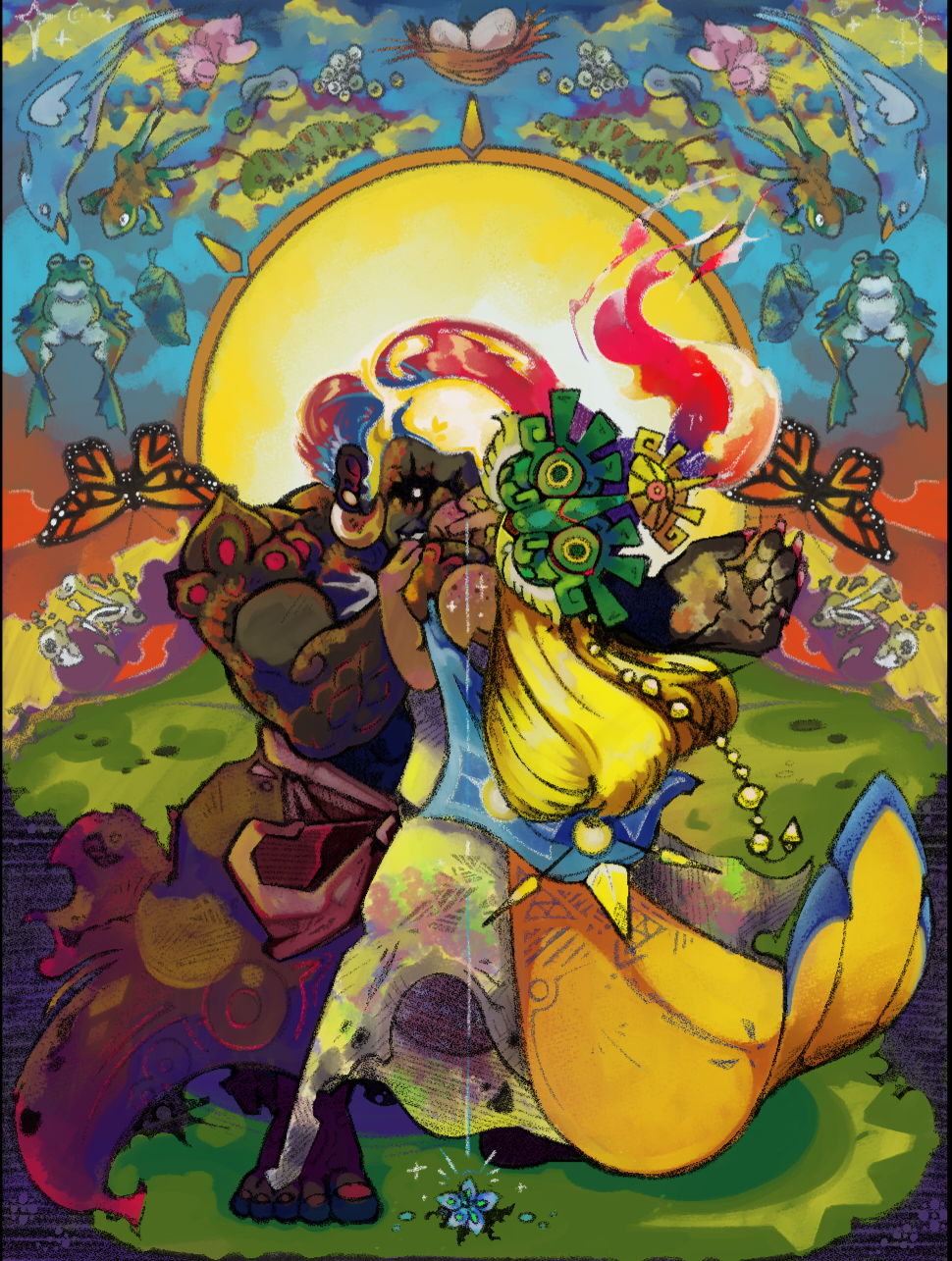
Long ago, in a time now lost to the ages, Hyrule was a formless void roiling with primal darkness. Seeing potential in this untapped energy, three goddesses descended from the source of light to shape Hyrule according to their will. They bestowed three sacred virtues upon their daughter before leaving her in the land they created, where the god of the earth waited to grant her a gift of his own.

I’ve been intrigued by the mythology of the Legend of Zelda games since I first read the fantastically illustrated story of Hyrule’s creation in the game manual for A Link to the Past, and I’ve enjoyed how games like Ocarina of Time and Skyward Sword have expanded on the divine cosmology of the series. I was frustrated by the lack of any foundational mythology in Tears of the Kingdom, so I decided to write my own version of Hyrule’s origin story. The first half is based on Hesiod’s Theogony, while the second half borrows from one of the stories about Izanami and Izanagi in the Kojiki. Hopefully this short story reflects the poetry of its inspirations!

The illustration that accompanies this story was created by Hylias_Disgrace, a purveyor of the strange and divine whose gorgeous character art and intriguing comics can be found on Instagram (here). It was the artist’s decision to use the famous Gustav Klimt painting The Kiss as a way to bring out the parallels between Hyrule’s deities and the myth of Hades and Persephone, and I love how this dynamic illustration celebrates the cycles of the natural world.

They Only Come Out at Night

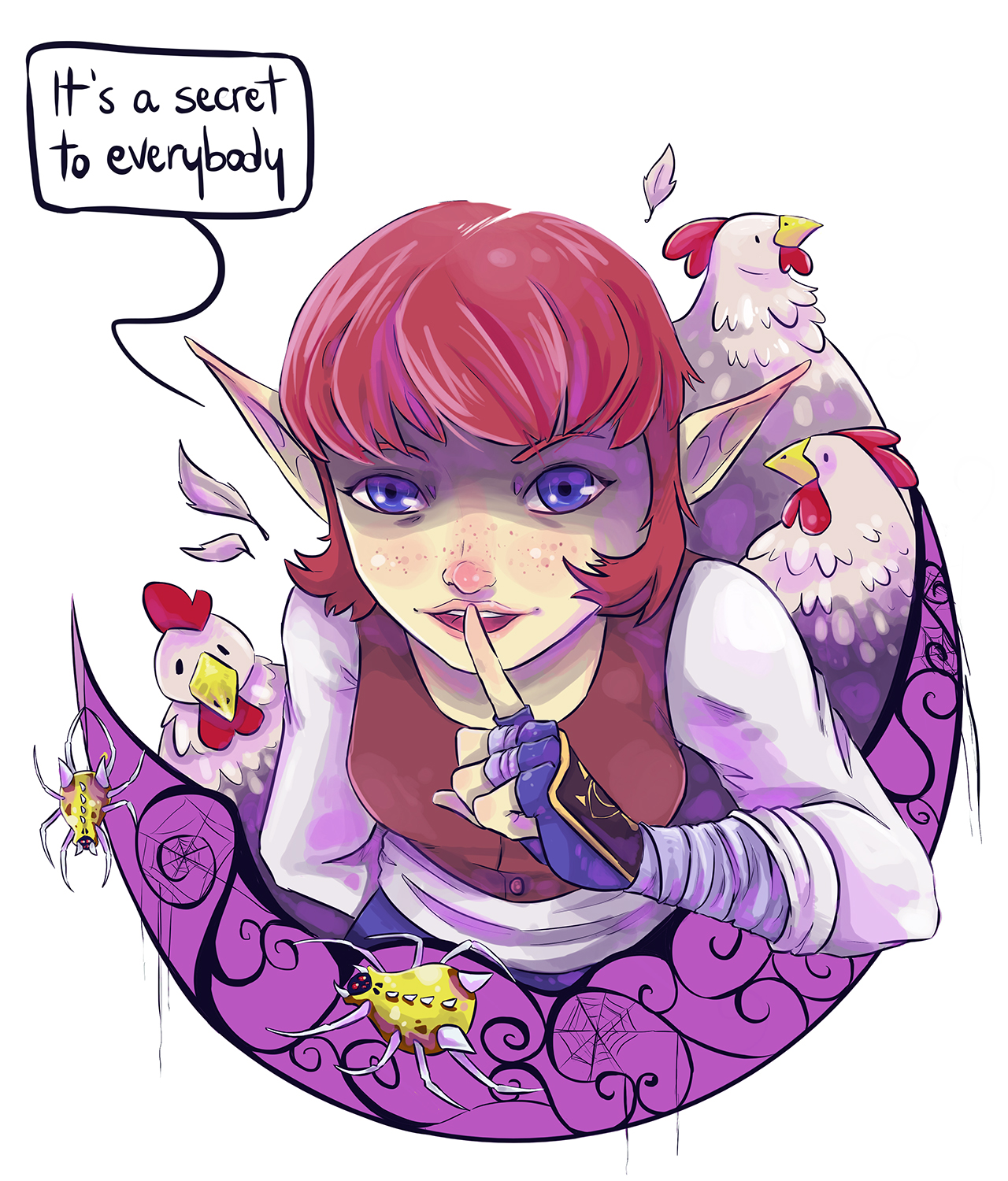
Grog has noticed a number of peculiarities in Kakariko Village. Eerie lights flicker in the mountain valley after dark. Murky black water fills the old stone well that no one uses. Golden spiders spin their webs under the eaves of abandoned buildings. Little does Grog know that the legendary Sheikah of Kakariko still live, and that they are watching.

I’m one of the many children of the 1990s who read Stephen King way too young. I think I must have been ten years old when I first encountered the IT, and I read the novel like it was Harry Potter. I was too young to understand a lot of what was going on, but what I took away from the story was a lifelong fascination with haunted towns.

This is one of the many reasons why I love Kakariko Village in Ocarina of Time. Like Derry, Kakariko seems pleasant and idyllic in the daytime, but all manner of horrors creep through its sewers. Over the course of his journey through Hyrule, Link learns that Kakariko is a Disneyland-style stage setting that covers an underground labyrinth of corpse-choked dungeons. Impa opened the depopulated village to the refugees from the civil war that left Link an orphan, which means many of the people living in Kakariko have no idea what their homes are standing on top of.

I’m curious about the perspective of normal people who live in fantastic worlds, and I’m particularly interested in Grog, the odd young man who greets Link at the entrance to Kakariko after dark. His dialog is iconic: “People are disgusting. My own father and mother are disgusting. You must be disgusting, too!”

When Link returns to Kakariko after seven years, Grog is nowhere in sight. No longer a surly teenager who resents his parents, Grog has gotten himself caught up in some truly strange business. It was only when I played Ocarina of Time as an adult that I was able to put together all the pieces of Grog’s story, which ends with his death (or perhaps suicide) in the Lost Woods.

I think Grog’s unfortunate fate is representative of what happens to people in Hyrule who see too much or ask too many questions. He’s therefore a fun character to use to look at Kakariko from an outsider’s perspective while speculating on what may have happened to the Sheikah. “They Only Come Out at Night” uses some of my favorite Stephen King tropes to tell a story about a deeply haunted village, and I really enjoyed writing it.

If you’re interested in peering into the shadows, the story is on AO3 here:
https://archiveofourown.org/works/51149224

I wrote this piece for The Eyes of Hyrule, a Legend of Zelda fanzine about the mysterious Sheikah clan. The zine will hold leftover sales on Etsy (here) during November, and you can check out more of the work appearing in the zine on Twitter (here) and on Tumblr (here).

For the story illustration, I was fortunate to be able to join forces with Frankiesbugs, a true master of cute and creepy art. You can follow their work on Instagram (here) and on Tumblr (here). I also recommend checking out their current video game project in development, which is on Steam (here) and on Instagram (here).

The Best Wells in Tears of the Kingdom

“The Best Wells in Tears of the Kingdom” is a series of short travelogue essays celebrating the hidden secrets, environmental storytelling, and understated exploration elements of Tears of the Kingdom.

One of my main criticisms of Breath of the Wild was that its world felt curiously flat. Why wasn’t Link allowed to go underground? What was lurking underneath Hyrule?

When I first discovered that Tears of the Kingdom was filled with wells and caves, I made it my mission to track them all down. Ganondorf would just have to wait. I’m currently taking my time and leisurely enjoying myself as I go cave diving, but I managed to locate all 58 wells before completing the first dungeon. Each of these wells is unique, but what I’ve been most impressed by are the small stories told by the characters who’ve found themselves at the bottom of a well by accident – or by choice.

For the record, these are my favorites:

1. Kakariko Village Well
2. Haran Lakefront Well
3. Rikoka Hills Well
4. Popla Foothills South Well
5. Kara Kara Bazaar Well
6. Zelda’s Secret Well

You can find the annotated list on AO3 here:
https://archiveofourown.org/works/48633913/chapters/122678209

The cover illustration for this piece, which depicts the veteran well explorer Fera, was created by the magical MiroiMirage. You can find their lively and colorful artwork on Twitter (here) and on Instagram (here). It was a joy and an honor to work with Miroi while getting a glimpse into their creative process. All of the groundwork they laid for the final painted illustration was amazing, so much so that I’d like to share one of their preliminary sketches, which you can see (here).

A Legend of Shadows, Part Three

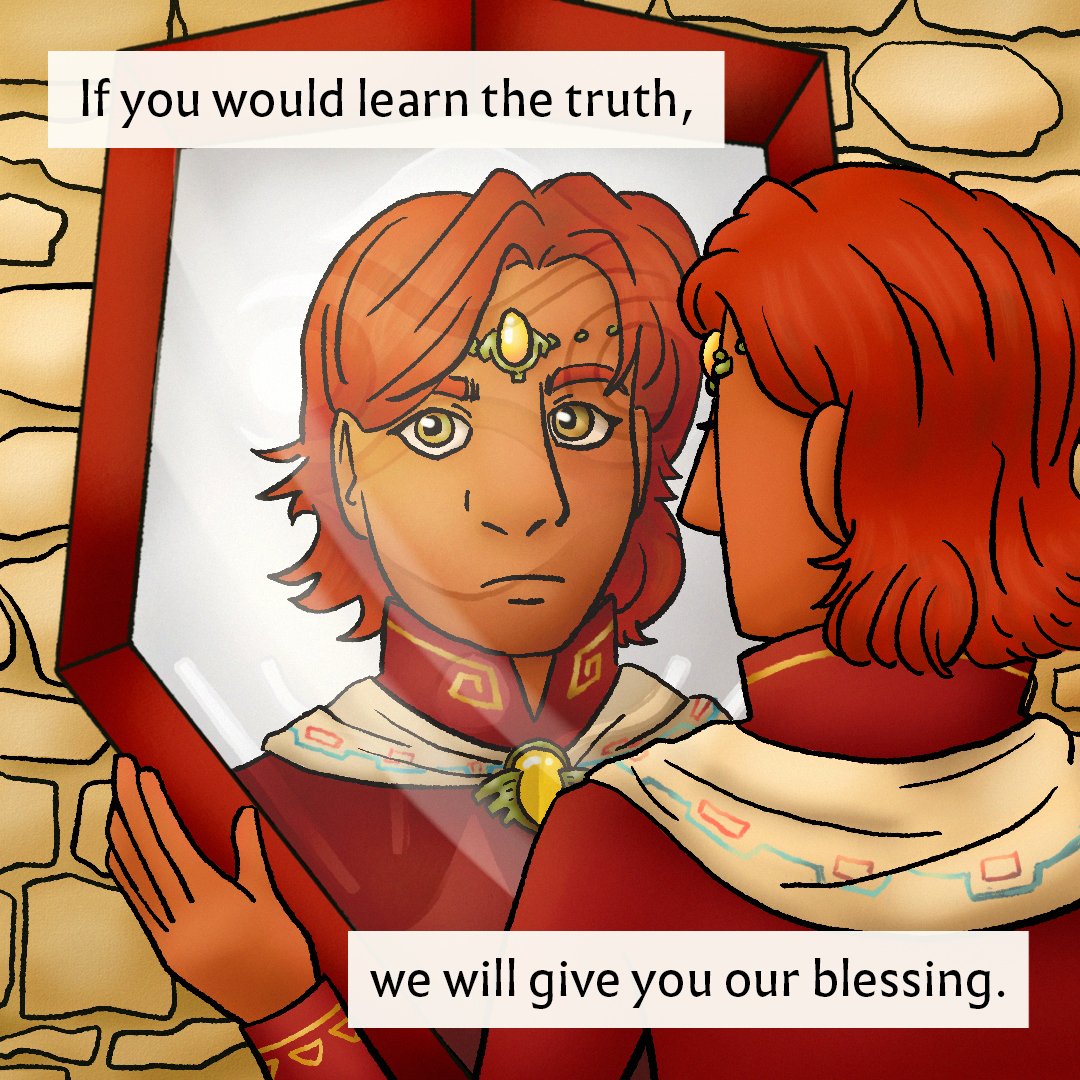
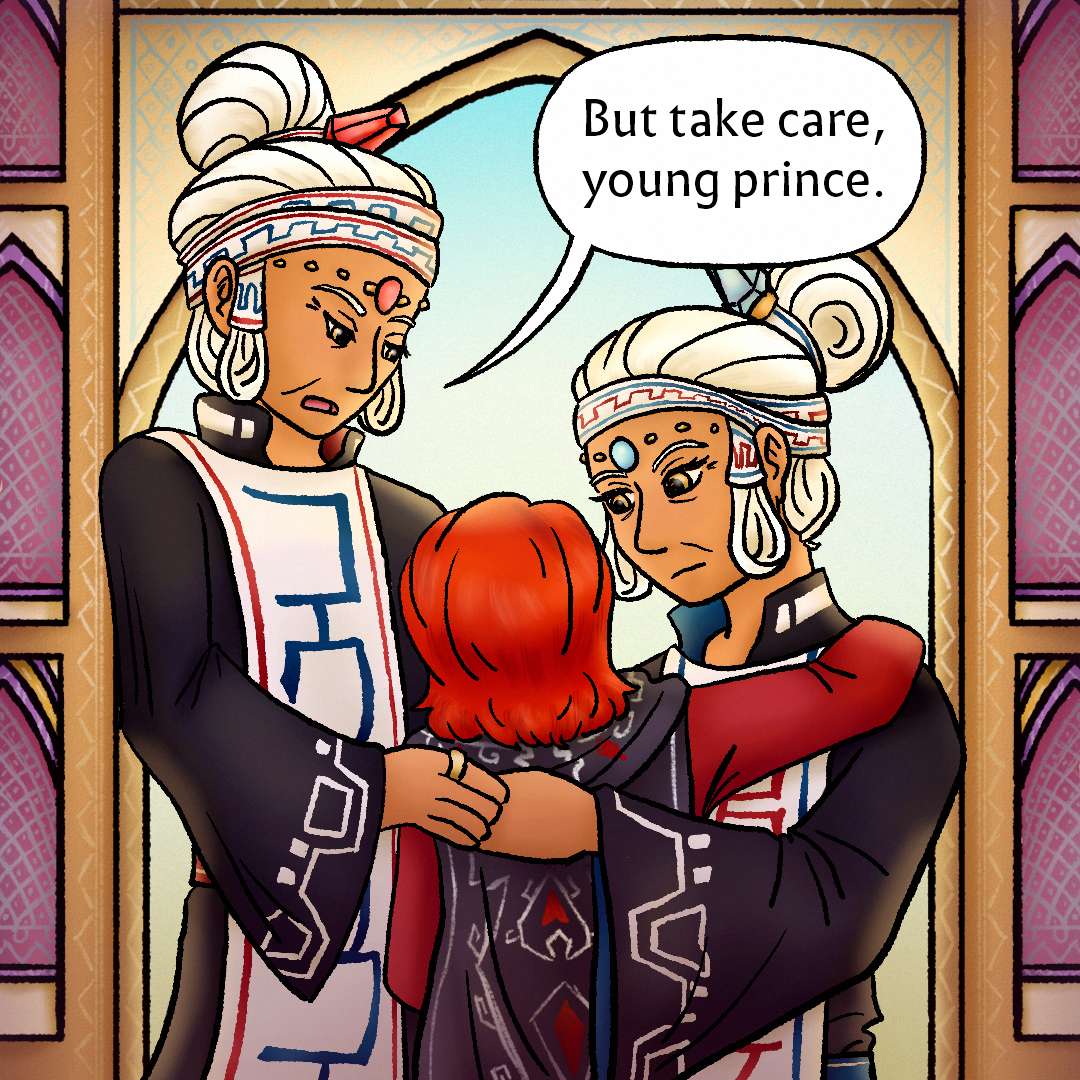
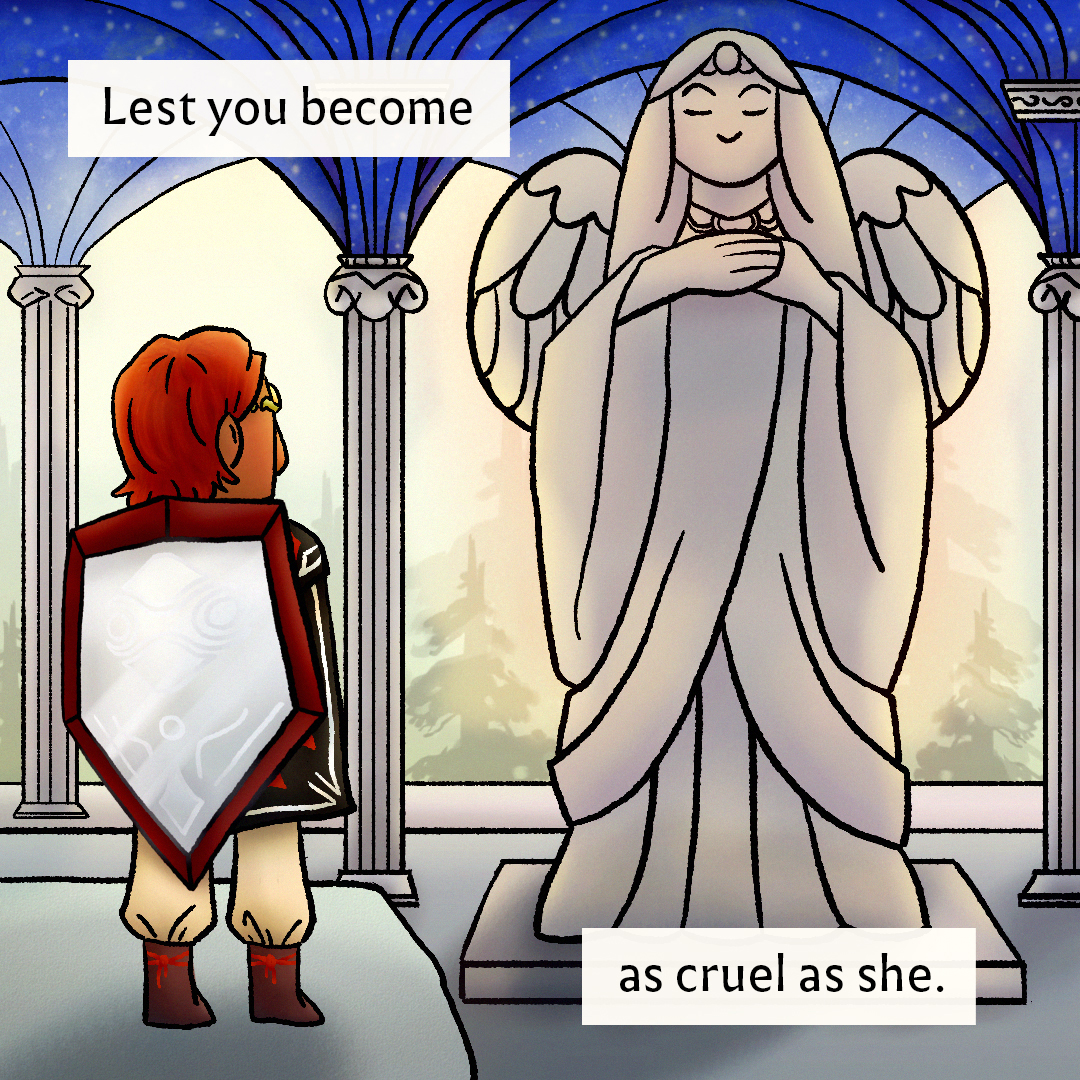
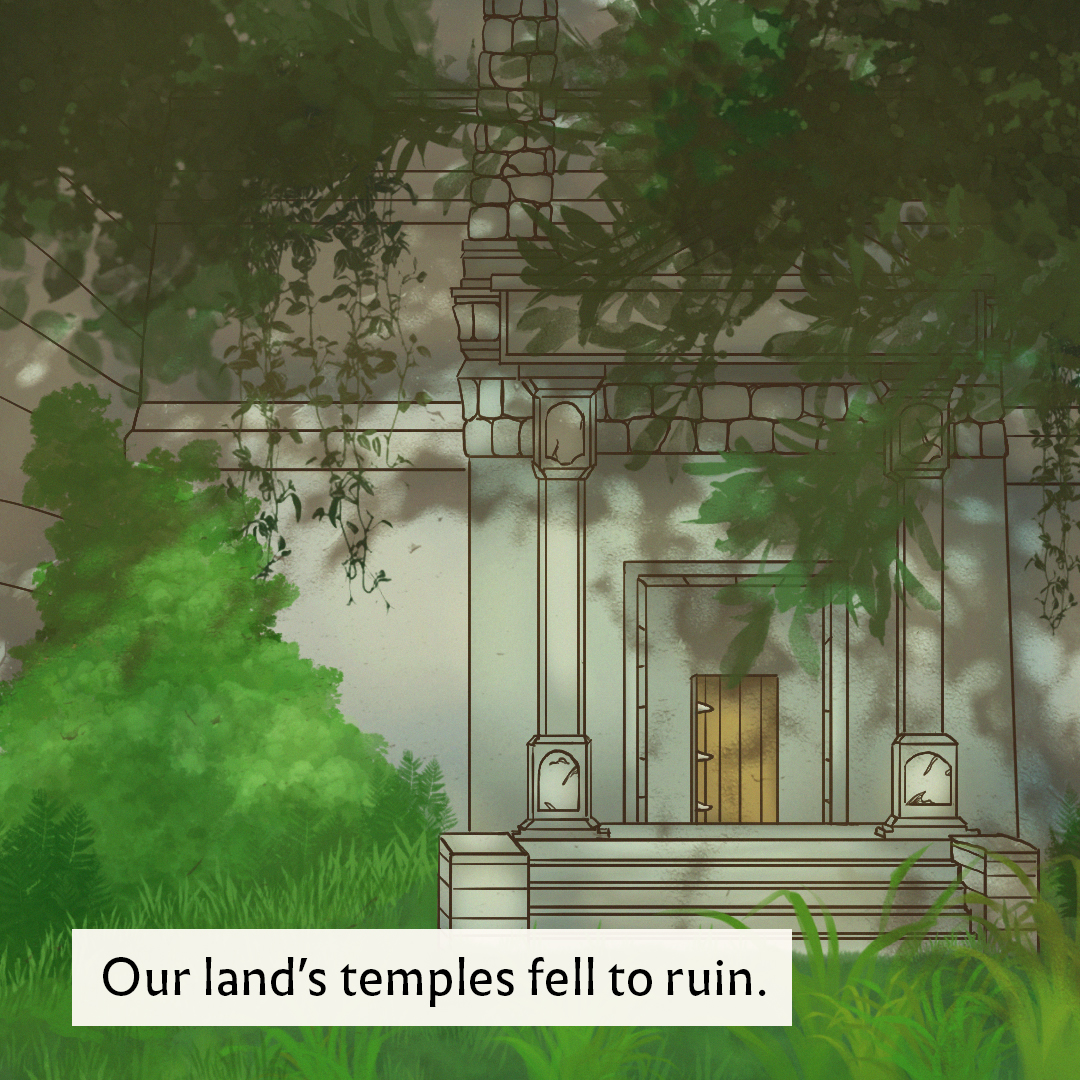
This is the third and final section of a speculative comic about gods and mortals in Legend of Zelda lore and mythology. The first part is (here), and the second part is (here). This is a continuation of the ideas I expressed in a short collaboration comic called Hylia’s Chosen Knight.

The goddess Hylia is more than a little scary, and it’s interesting to think of Ganondorf as being the hero of another story. I’m fascinated by the theme of “the failed or corrupted hero,” and I think it would be interesting if Ganondorf went on a quest that paralleled Link’s journey. Maybe young Ganondorf saw Hylia as the villain, but the power he needed to stand against Hyrule ended up overwhelming him. To me, that’s much more compelling than the idea of power only being “good” when it’s wielded by the “chosen” person.