Review of the Girl Who Loved Monsters on Comics Beat

I recently had the pleasure of writing a review for Comics Beat about a middle grade graphic novel called The Girl Who Loved Monsters. This is a fun story that reminds me of the Goosebumps books, with all their campiness and dubious messaging and over-the-top silliness, and I could tell that both the writer and the artist were having a fantastic time. It’s always a pleasure to see new and original stories for younger readers, and this is an especially good one.

Here’s an excerpt from my review:

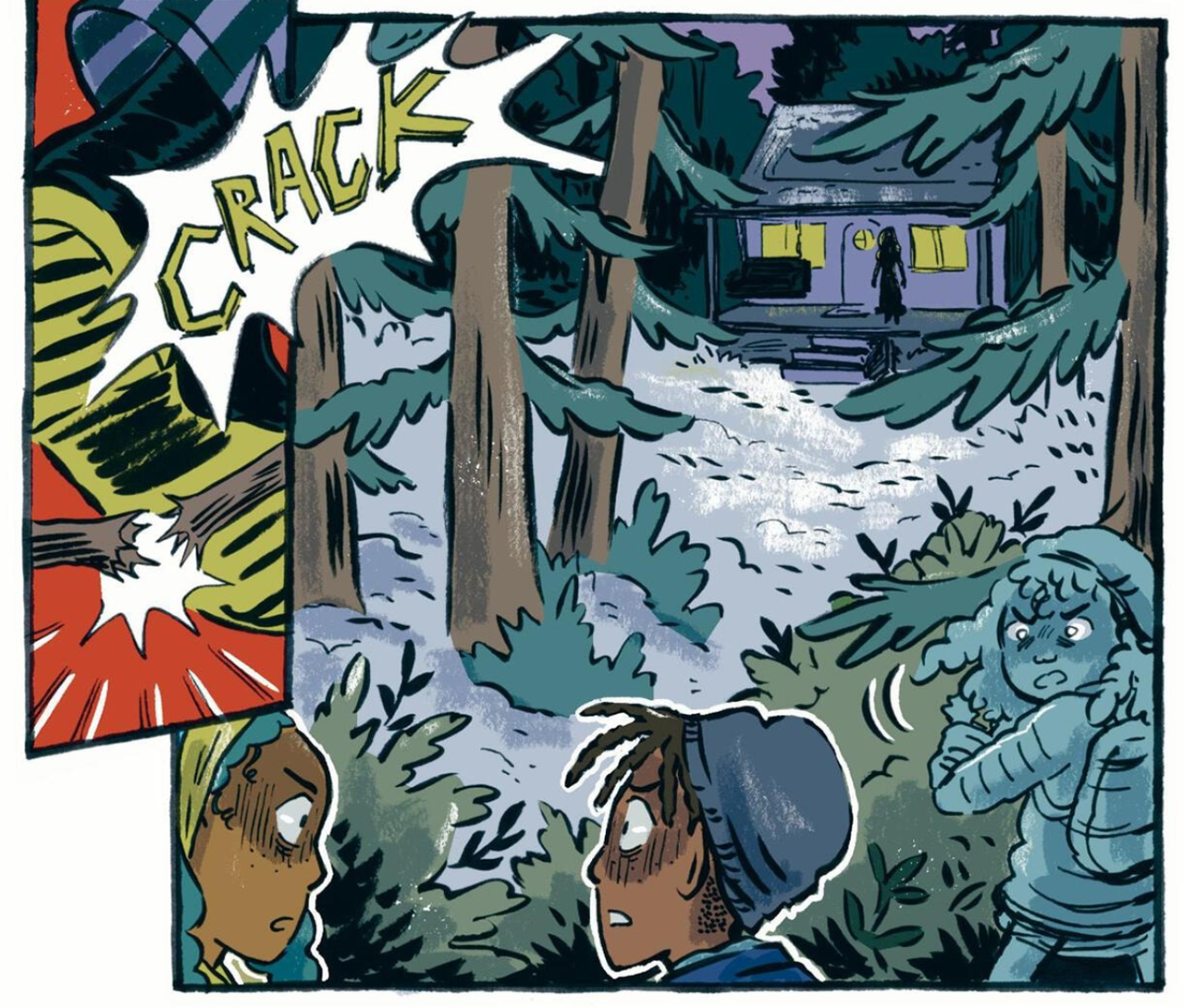
The Girl Who Loved Monsters feels nostalgically reminiscent of the Goosebumps series of pulp horror novels for children that were popular in the 1990s. Many elements of this graphic novel’s story and art are extremely campy, and the combination of creepiness and humor creates a carnival-like sense of fun. Though the timeworn story of kids on bikes chasing down a monster may seem like a simple treat taken directly from a Halloween candy bucket, Franklin’s dynamic art and Fitzpatrick’s sensitive character writing elevate The Girl Who Loved Monsters to a thrilling and heartwarming horror adventure that young readers will eagerly devour.

You can read the full review on Comics Beat here:
https://www.comicsbeat.com/the-girl-who-loved-monsters/

Review of The Art of Slay the Princess on Comics Beat

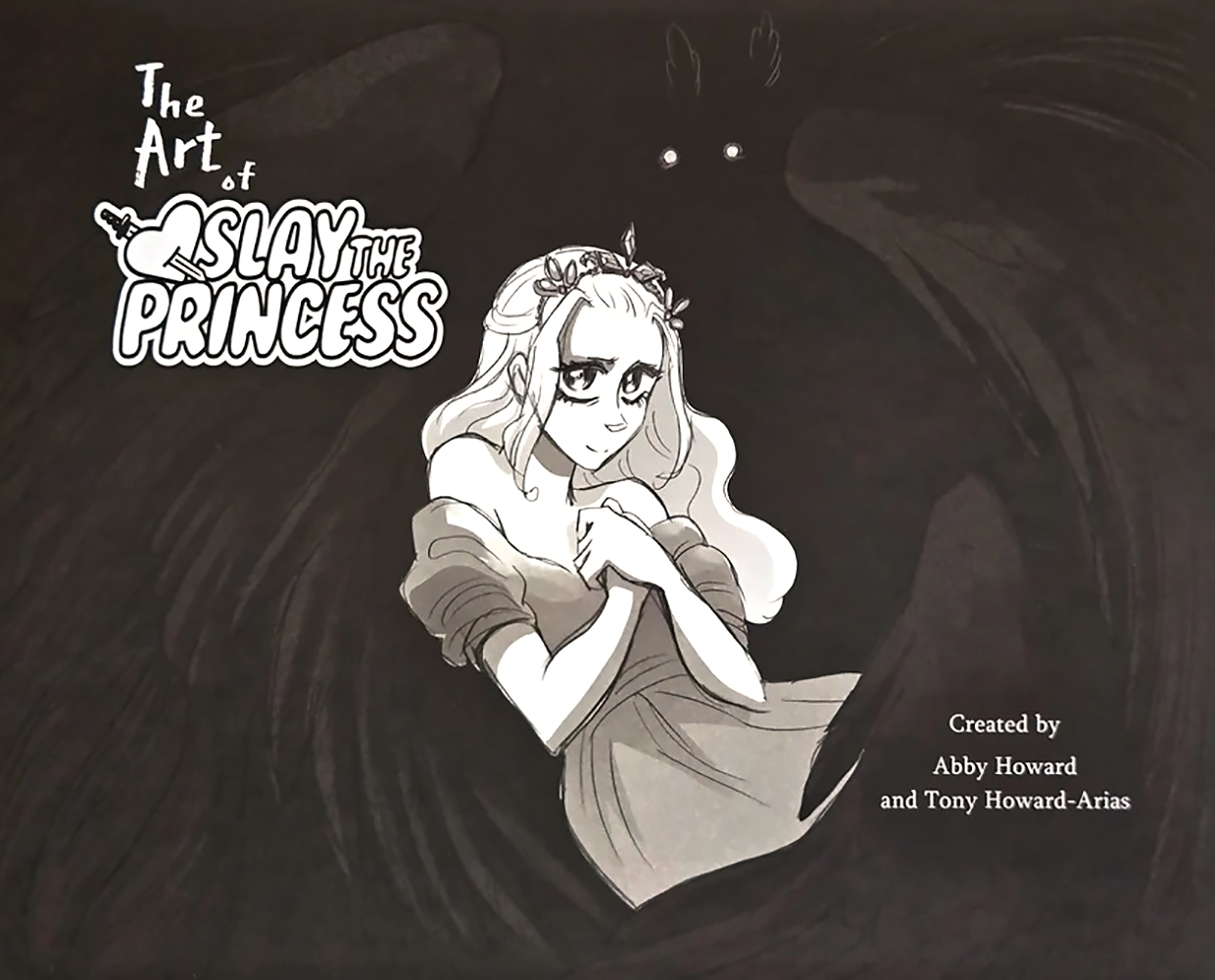
Although this book came out back in October 2025, Comics Beat offered me the opportunity to write a review of The Art of Slay the Princess, which is something like a graphic novel adaptation of the horror game (on Steam here).

It’s difficult to summarize the story of Slay the Princess, and a serious discussion could easily turn into a substantial essay. What I therefore ended up doing in my review was discussing the success of the cross-media adaptation. You might wonder how a print book would be able to convey the multiplicity of the game’s branching storylines, and the answer is that it does so in a remarkably artful way.

Here’s an excerpt from my review:

In order to function as a book, The Art of Slay the Princess omits a substantial amount of text from the game’s script. By necessity, many of the game’s multimedia horror elements, including its viscerally upsetting soundscapes, are also missing. Regardless, Howard’s illustration work is sufficiently disturbing even in a montage of static frames, and the page layout is utilized to showcase the various forms of the Princess in their full uncanny glory. Though it’s not a traditionally linear reading experience, The Art of Slay the Princess is still more than capable of immersing the reader in its dark and labyrinthine world.

You can read the review on Comics Beat here:
https://www.comicsbeat.com/the-art-of-slay-the-princess-review/

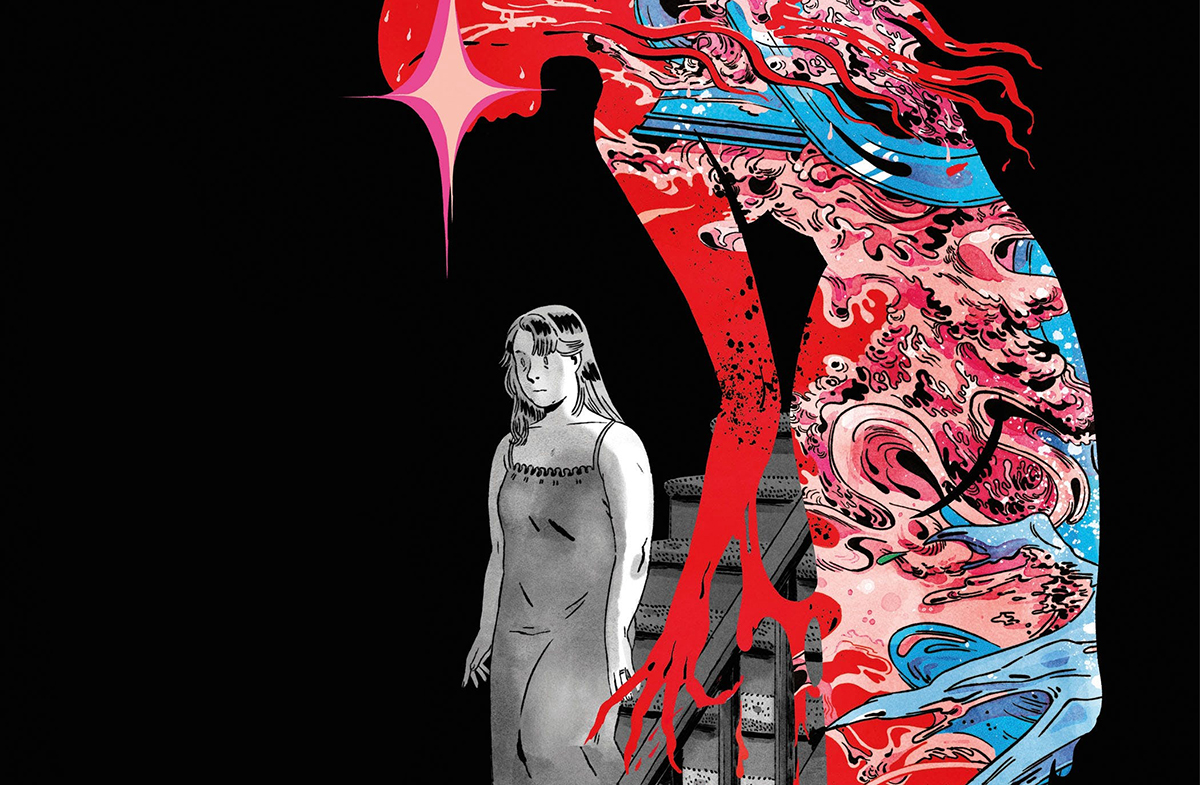
Review of Pig Wife on Comics Beat

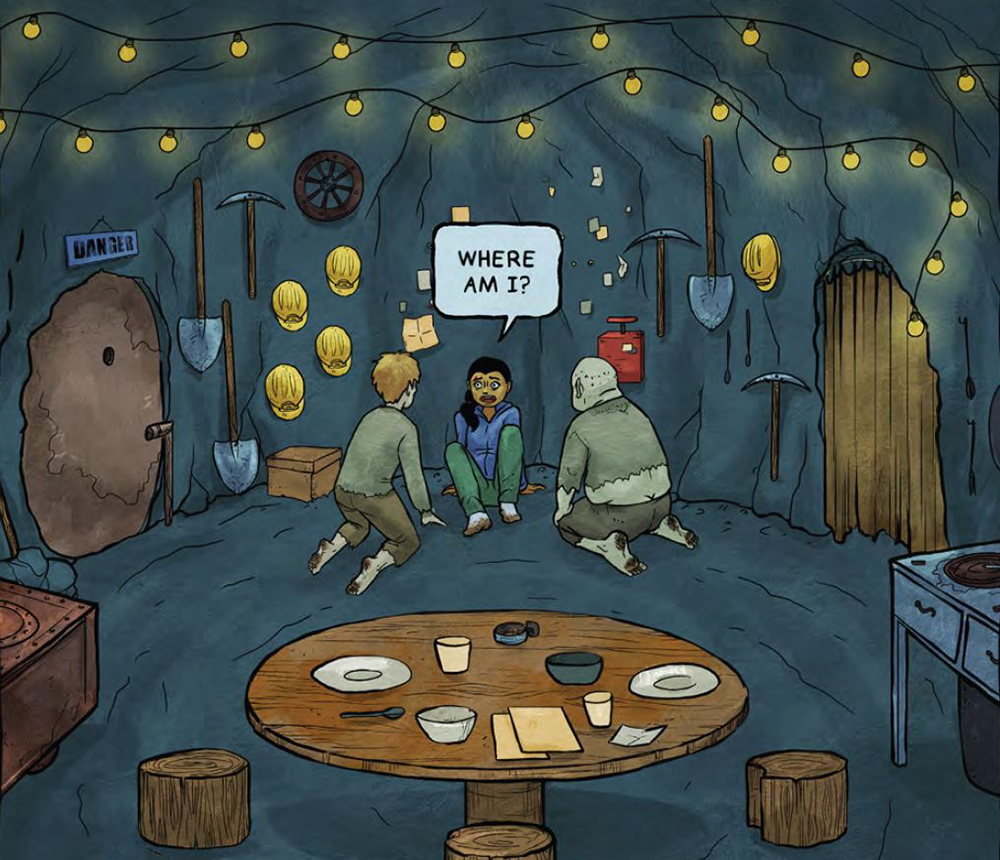
I recently had the immense pleasure of writing a review for Comics Beat about Pig Wife, a massive graphic novel drawn by Abbey Luck, a Hollywood animator who specializes in Adult Swim style bizarro art. Pig Wife is definitely Hollywood, and it’s definitely got a Gen-X style “alternative” edge to it. Neither of these things is to my taste, usually, but I love Pig Wife for what it is: namely, a gothic “weird girl” coming-of-age story set in a not-quite abandoned labyrinth of mine tunnels in rural Pennsyltucky.

I say in my review that it’s easy to read this 500-page book in one sitting, and I mean it. Pig Wife tells an incredibly entertaining story; but, appropriately enough, there’s a lot going on below the surface. Here’s an excerpt from my review:

By forgoing the nuances of character, Pig Wife can focus entirely on plot, and the plot is a well-oiled machine that grabs the reader and aggressively drags them down into the tunnels. Moreover, by virtue of the broad strokes of its characterization, Pig Wife is also able to convey the allegorical elements of its scenario.

The coming-of-age story in which a young hero embarks on a journey has a universal appeal, but teenage girls (and slightly older girls, if they’re trans) often undergo a separate ascent from innocence to experience that I think of as “climbing out of the pit.” By “the pit,” I mean the everpresent tarpit of internalized sexism and misogyny, and the mine tunnels of Pig Wife are as good of a visualization of this pit as any.

You can read the full review on Comics Beat here:
https://www.comicsbeat.com/graphic-novel-review-pig-wife/

Review of Let Me in Your Window on Comics Beat

I’m super grateful to Comics Beat for giving me the opportunity to review the newest horror comics collection from Adam Ellis, Let Me in Your Window. These gorgeously drawn stories offer disturbing insights into the murky shadows of internet culture, as well as brilliant speculation on potential digital futures.

Something I always appreciate about Ellis is how he documents the many absurdities of both corporate platform policies and social media subcultures alike. It’s easy to read the stories in Let Me in Your Window as spooky urban legends with no allegory… but also, I feel extremely Seen by Ellis’s characteristic take on digital horror. Here’s an excerpt from my review:

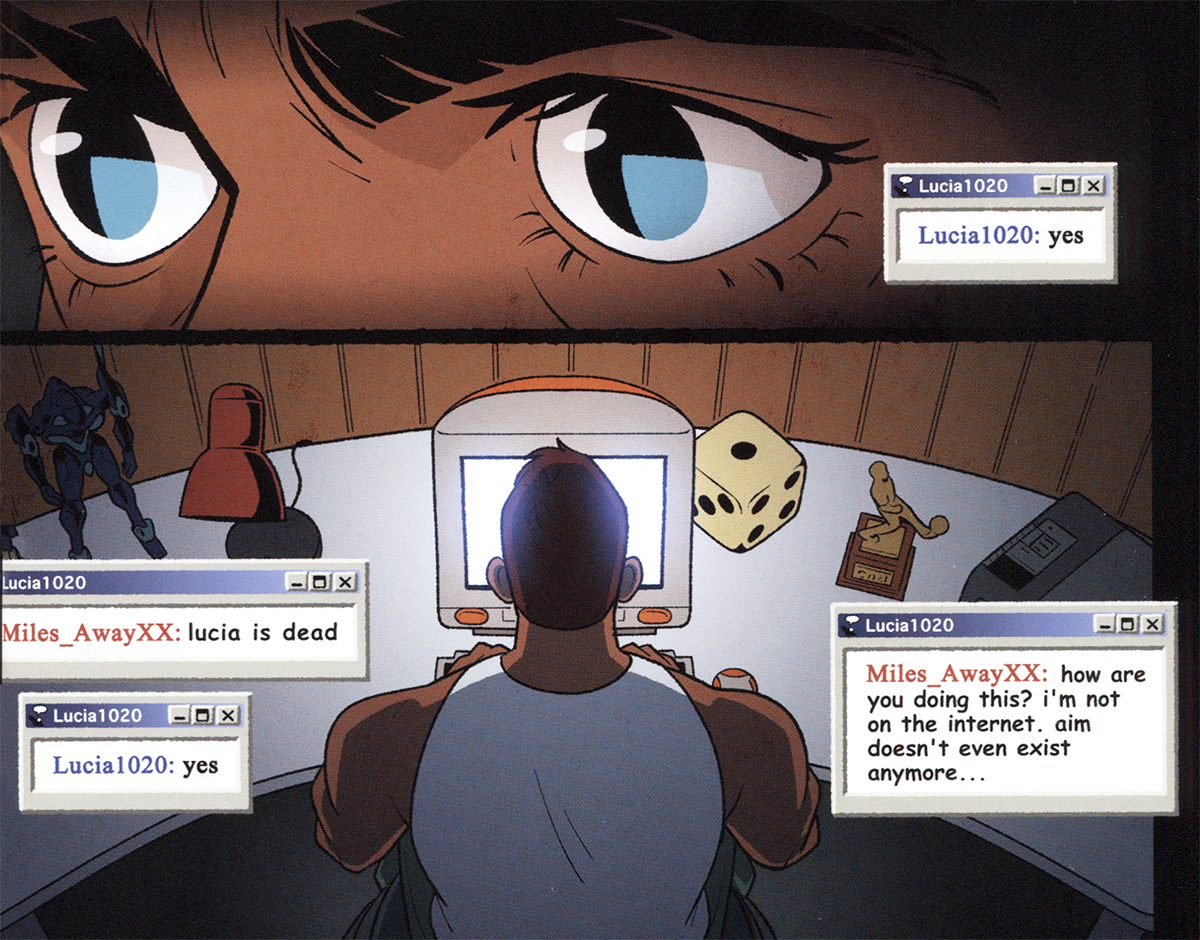
Adam Ellis’s second horror comic collection, Let Me in Your Window, is digital horror at its finest. As the successor to Ellis’s 2024 collection Bad Dreams in the Night, Let Me in Your Window ventures even deeper into the wires as it speaks to anxieties surrounding the omnipresent ghosts that speak to us through our screens. Even if most of us are content to allow these phantoms to pass unnoticed, it can be unnerving to realize that we’re ghosts as well – ghosts being watched, ghosts being catalogued, and ghosts that constantly leave behind traces of our former selves. The ten stories collected in Let Me in Your Window invite the reader to reflect on what it means to inhabit the constantly unfolding urban legends of online culture.

You can read the full review on Comics Beat here:
https://www.comicsbeat.com/graphic-novel-review-let-me-in-your-window/

Review of The Harrowing Game on Comics Beat

I consider myself extremely fortunate to have been an early reader of Antoine Revoy’s newest graphic novel, The Harrowing Game. I love this book, which is strongly inspired by Junji Ito but still very much its own thing. I’m also lucky to have gotten an opportunity to write a review for Comics Beat. Here’s an excerpt…

The Harrowing Game will delight fans of Junji Ito and H.P. Lovecraft, to be sure, and connoisseurs of horror will appreciate Revoy’s intriguing interpretations of familiar tropes. Revoy twists gothic stories into broken reflections of cultural anxieties, and the storytelling is no less dramatic for the subtlety of its social commentary. If nothing else, it’s a pleasure to get lost in the details of Revoy’s spectacular illustrations. Whether you’ll be able to find your way out untouched and undisturbed is another story.

You can read the full review on Comics Beat here:
https://www.comicsbeat.com/graphic-novel-review-the-harrowing-game/

Review of The Skin You’re In on The Beat

I’m excited to have published my first review on The Comics Beat, and I’m honored that I got to write about The Skin You’re In, a handsome hardcover collection of queer horror comics drawn by Ashley Robin Franklin and published by Silver Sprocket. Here’s an excerpt of my review:

Each of the seven stories in The Skin You’re In is eerily beautiful and unnerving. Even as Franklin’s queer and female characters exist in a world that doesn’t perceive their humanity as normative, these stories provide a visceral reminder that there’s nothing “normal” about being a human on a planet that hosts a vast array of organisms.

You can read the full piece on The Beat here:
https://www.comicsbeat.com/graphic-novel-review-the-skin-youre-in-pushes-the-uncanny-boundaries-of-humanity/

Necromancer Zelda

Echoes of Wisdom is growing on me, and I especially love how Zelda fights by rapid-summoning monsters to overwhelm her enemies. I suppose Zelda is technically creating “echoes” instead of resurrecting her defeated foes, but she still reminds me of the Tears of the Kingdom trailer in which Ganondorf triggers the Blood Moon, summons a bunch of monsters, and tells them to “sweep over Hyrule.” Necromancy seems like a very fun gig if you can get it.

This comic was drawn by the horrifically talented Frankiesbugs, whose cute and creepy illustrations and comics can be found on Tumblr (here), on Instagram (here), on Cara (here), and on Redbubble (here).

Best Horror Comics on How to Love Comics

I had the immense honor of being able to contribute to a list of “The 45 Best Horror Comics You Should Read” on the website How To Love Comics. Here’s how I pitched the eight titles I recommended…

Betwixt: A Manga Horror Anthology, edited by Fawn Lau and Mayuko Hirao
A diverse collection of big-name creators showcasing manga-style stories that focus on urban legends and folk horror.

Bloodborne: The Healing Thirst, by Ales Kot and Piotr Kowalski
A stand-alone story that captures the oppressive gothic atmosphere of Bloodborne while being accessible to readers with no knowledge of the game.

The Crossroads at Midnight, by Abby Howard
A single-artist collection of queer short stories with distinctive monochromatic art and intensely disturbing imagery. 

The Hills of Estrella Roja, by Ashley Robin Franklin
A lushly illustrated graphic novel about a college student on the hunt for cryptids in the beautiful but eerie Texas desert.

Loving, Ohio, by Matthew Erman and Sam Beck
A suburban gothic horror story about a small town quietly controlled by an all-too-realistic cult. 

Not Drunk Enough, by Tess Stone
A colorful and stylish horror comedy about being trapped in a mad science corporation after dark.

PTSD Radio, by Masaaki Nakayama
A quiet but intensely creepy collection of Japanese urban legends loosely connected by an overarching narrative.

The Shadow over Innsmouth, by Gou Tanabe
A painstakingly faithful Lovecraft adaptation with meticulously drafted art and a well-researched translation. 

You can check out the fully annotated list (here). There are a lot of famous heavy hitters on this list, and it was a pleasure to be able to include a few lesser-known manga and indie graphic novels.

Review of A Guest in the House on WWAC

I had the pleasure of writing a review of Emily Carroll’s darkly brilliant graphic novel, A Guest in the House, for Women Write About Comics. The story gazes into the moonlit shadows of “traditional” families, and it’s gothic horror at its sexiest and most subversive. Here’s an excerpt from my review:

Carroll’s visual representation of Abby’s inner world is brilliantly strange and gorgeously queer. In her more introspective moments, Abby indulges in a fantasy of herself as a heroic knight fighting dragons, who lay waiting for her, hot and wet in their dark caves. Having slain a dragon while remaining protected and genderless inside her full-body armor, Abby seeks comfort in the arms of the beautiful ladies that await her arrival. While the majority of the artwork in A Guest in the House is painted in black ink with gradations of gray, Abby’s fantasies practically scream from the page in lurid full color that slowly begins to bleed into Abby’s waking life.

You can read the full review here:
https://womenwriteaboutcomics.com/2023/10/a-guest-in-the-house-review/

If you’re interested, I also recommend checking out Emily Carroll’s website (here) for a curated selection of horror art and short comics. It’s not for the faint of heart, but it’s one of the best sites on the internet.

While I was writing this review, I told a friend that A Guest in the House is like Dark Souls, but if Dark Souls were about a housewife in rural Canada in the 1990s. I stand by this evaluation, and I think it makes sense given the artist’s love of FromSoft games. Carroll recently released a short fancomic about Bloodborne, and you can download it for free from Itchio (here). As with A Guest in the House, I might offer a content warning for body horror and violence, but the art and writing are gorgeous.

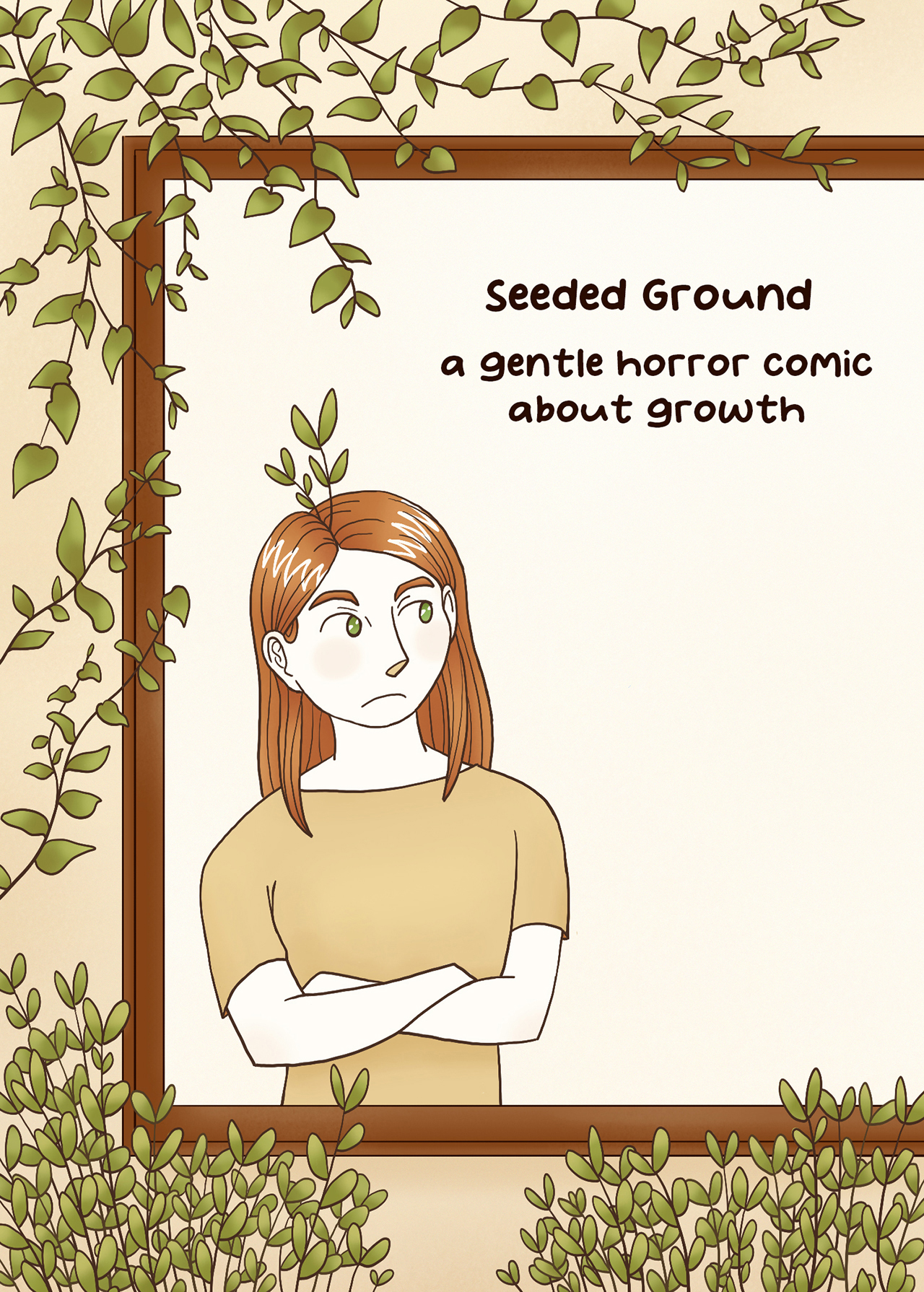
Seeded Ground

Seeded Ground is a twelve-page botanical horror comic about growth. It reads a bit like a supervillain origin story, but I created it as a statement of resistance against the oppressive ideologies of neoliberalism that have lured so many people in my generation into the trap of self-optimization.

You can download a free digital copy of the comic from Itch.io here:
https://digitalterrarium.itch.io/seeded-ground

I was inspired to draw this comic by a tweet written by a respected senior scholar. They argued that assigning at least five pages of writing every week is necessary to maintain “a certain standard of quality” in the undergraduate students who register for their classes.

This tweet inspired me to reflect on an unfortunate aspect of education in the United States. Namely, it’s an unstated but almost universally accepted goal of the formal education system to monopolize students’ time in order to train them to become the sort of adult workers who are willing to devote their lives to their career. An employee at a “good” job is expected to wake up early, commute, spend the entire day at work, and then go home and finish the tasks they didn’t have time to complete at the office. Meanwhile, freelance and part-time workers are expected to be available at any hour of the day, every day of the week, and at short notice. This is messed up, and I hate it.

My own experience as a professional working adult has essentially been the equivalent of that professor’s tweet. Namely, I’ve felt compelled to engage in meaningless work that no one will ever see in order to maintain the pretense of “a certain standard of quality.” Around the time of the pandemic, I got fed up. Was I really supposed to feel guilty about not replying to emails within 24 hours while I was sick with Covid? Fuck that.

These days I’m much more aggressive about enforcing boundaries concerning how much work I’m willing to do, and I can’t even begin to express how much the quality of my life has improved. I have no regrets.

As an epilogue to Seeded Ground, I illustrated a quote from the radical social theorist Herbert Marcuse’s 1964 book One-Dimensional Man: Studies in the Ideology of Advanced Industrial Society:

“If the individual were no longer compelled to prove himself on the market, as a free economic subject, the disappearance of this compulsion would be one of the greatest achievements of civilization.”

And he’s not wrong! I know it’s a twee Millennial stereotype to hate capitalism, but I really do believe that the point of life is not to optimize your performance as an employee. People need room to grow.

And if that growth is impeded? All sorts of bad things can happen. 🌿