Firebird

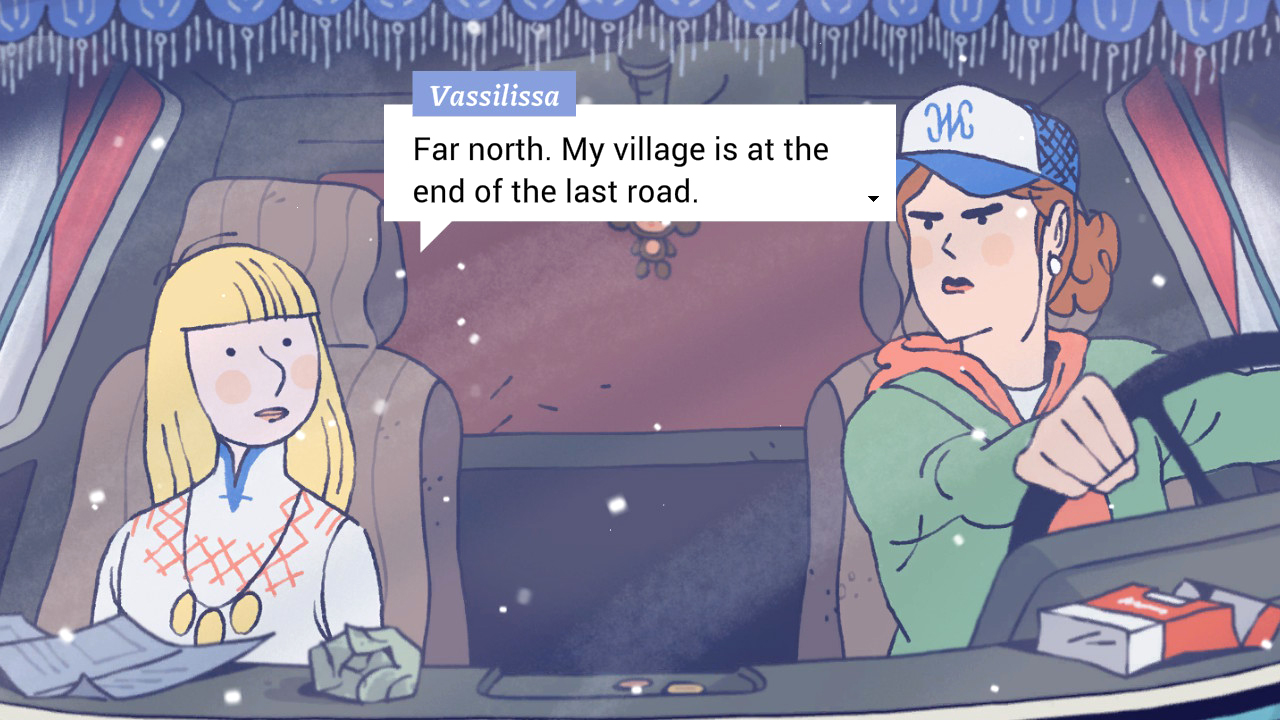
Firebird is a choice-based visual novel that takes about an hour and a half to play. The story is set in the northern borderlands of contemporary Russia, where a Hungarian migrant named Mariska makes her living as a freight trucker.

Since she’s in the country illegally, Mariska had to take out the loan for her truck, the Firebird, from a local mob boss. When she’s caught after trying to flee the boss’s territory without paying the interest on her loan, Mariska crosses paths with a strange girl in traditional clothing named Vassilissa, who promises great riches if Mariska will deliver food to her village in the far north.   

Your job as the player is to navigate between points on the map as Mariska and Vassilissa head steadily northward. There’s no backtracking, so you’ll have to choose between multiple routes while ensuring that the Firebird doesn’t run out of gas. The game is entirely text-based, and the elements of resource management are fairly chill.

More than anything, the gameplay is about roleplaying as you explore the dialogue options. It’s possible to die, but doing so will simply restart the game at a crucial choice. As the player, you’re mostly just along for the ride. And what an incredible ride it is.
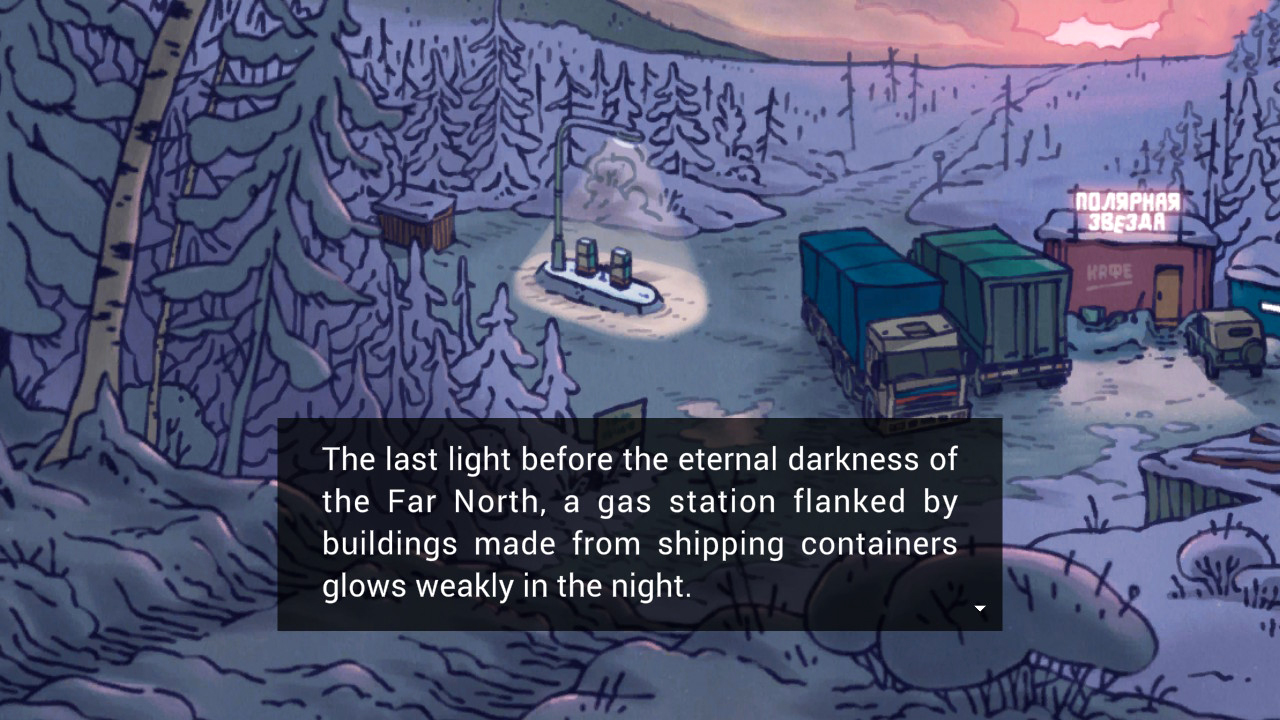
At each point on the map along her route, Mariska is able to leave her truck and search for gasoline or money (which can occasionally be used to buy gas). The road is littered with the ruins of old villages and Soviet outposts, but a few of the waystations are still populated. The humans Mariska and Vassilissa meet are friendly, but the wolves and bears are another story entirely. To make matters worse, the mob boss has sent his henchman Ivan to pursue Mariska in his truck, the Gray Wolf.  

As you might have guessed from the character names, which are drawn from Slavic folklore, there are supernatural forces at play. Over the course of her journey, Mariska encounters various legendary characters, from the crafty witch Baba Yaga to the warrior princess Maria Morevna. The gradual shift from gritty realism into the realm of a fairy tale is a lot of fun, especially when the seemingly absurd advice offered by characters along the way begins to make perfect sense. Thankfully, Mariska is nothing if not pragmatic, and her no-nonsense attitude is exactly what she needs to get the job done.   

Firebird’s developers, Ludogram, are based in France, but they’ve devoted love and care to bringing the Russian setting to life. The luminous ligne claire artwork of Quentin Vijoux invites the player onto the northern tundra while conveying a strong sense of lingering twilight and freezing cold. Despite Firebird’s celebration of Slavic folklore, the game’s narrative makes no attempt to hide its criticism of the Russian state, especially the collusion between government and organized crime. There’s also a haunting scene with Soviet ghosts that I found genuinely chilling.

Although it’s possible to see an entirely different variation of the game’s story during a second playthrough by having Mariska drive through a different set of points on the map, the destination is always the same. No matter what path you choose, Firebird connects to universal themes as it acknowledges the cycles of nature – between winter and summer, and hardship and plenty, and faith and hard work. The bad times won’t last forever, Firebird suggests, and Mariska will keep on trucking.

Strange Things Happen in Philadelphia

Strange Things Happen in Philadelphia collects six short pieces of weird fiction about the past, present, and near future of a city where anything can happen. Philadelphia is simultaneously filled with decaying ruins and vibrant cultures, and I see the stories in this zine as a celebration of those of us surviving and thriving during the slow collapse of the American empire. Nothing in these stories is real, of course, but I’ve drawn them from a deep well of local folklore and hearsay.

To tell the truth, I don’t actually know that many people in Philadelphia. I lived here for most of grad school but then moved away to chase various academic jobs. I returned during the pandemic, which wasn’t a great time to meet new people or reconnect with old friends. I’ve tried to apply to local writing groups and workshops but haven’t gotten anywhere (yet).

Don’t get me wrong – I’m fortunate to enjoy the support of various writing communities online. Still, my personal experience of Philadelphia has been mediated by long solitary walks through parts of the city that have a lot of abandoned buildings, many of which have fallen to ruin.

One of these areas is my own neighborhood of Point Breeze, which is a lovely place to live but also filled with decrepit warehouses and other abandoned properties. I myself live next door to a derelict funeral home, and I’m constantly reading threads on various Philadelphia reddit boards about the struggles of homeowners whose townhouses adjoin similarly abandoned buildings.

It’s worth emphasizing that Philadelphia is densely populated. In fact, one of the reasons I love living here is that there are always people on the street at all times of the day and night. In a lot of ways, Philadelphia reminds me of Tokyo. It’s an affordable city with a lot of history, culture, and potential…

…but that’s not really what these stories are about. As I edited this zine, I realized that it’s pervaded by a sense of loneliness. Not an unpleasant loneliness, but rather the unique perspective afforded to a stranger. When you’re alone, you end up seeing things that perhaps other people might miss, and that sense of strangeness is what I wanted to capture in this collection.

I was fortunate to be able to work with Kaylee Rowena, an architectural wizard of the highest order, to create the art for the zine cover. The zine also features a spooky illustration of Mothman by an artist of the odd and surreal who goes by Gravemud on Tumblr, as well as a gorgeously aesthetic illustration of two elegant monsters by the brilliant and stylish Critter Crafter Ally. I’ve also included a half dozen of my own illustrations.

Unlike my previous short fiction zines, Strange Things Happen in Philadelphia is printed in full color, and I’d like to think it’s an attractive little book. If you’re interested, you can download a free digital copy from Itch.io or order a physical copy from Etsy.  

🌇 https://digitalterrarium.itch.io/strange-philly-zine
🌇 https://www.etsy.com/listing/1761448527/strange-philadelphia-fiction-zine

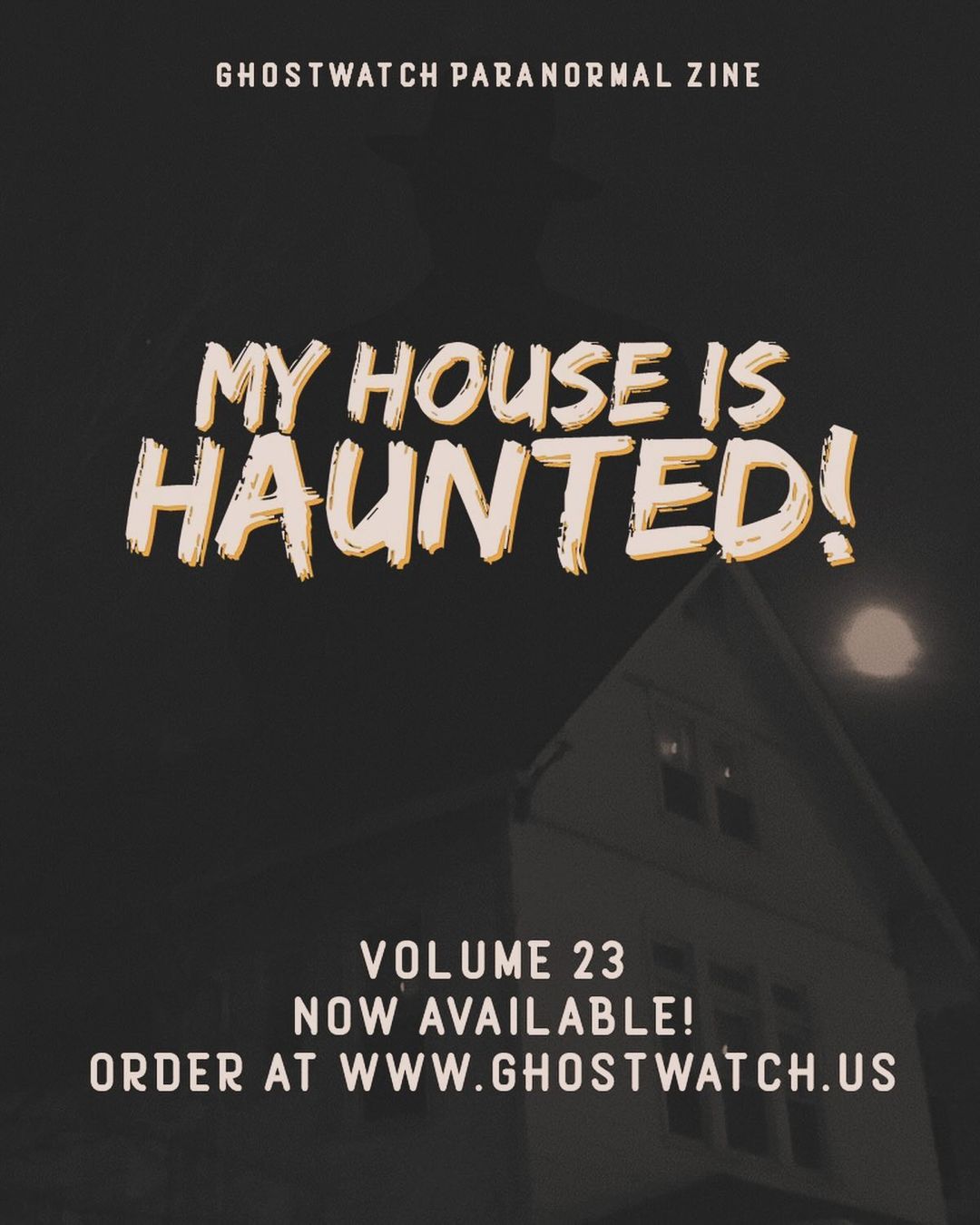
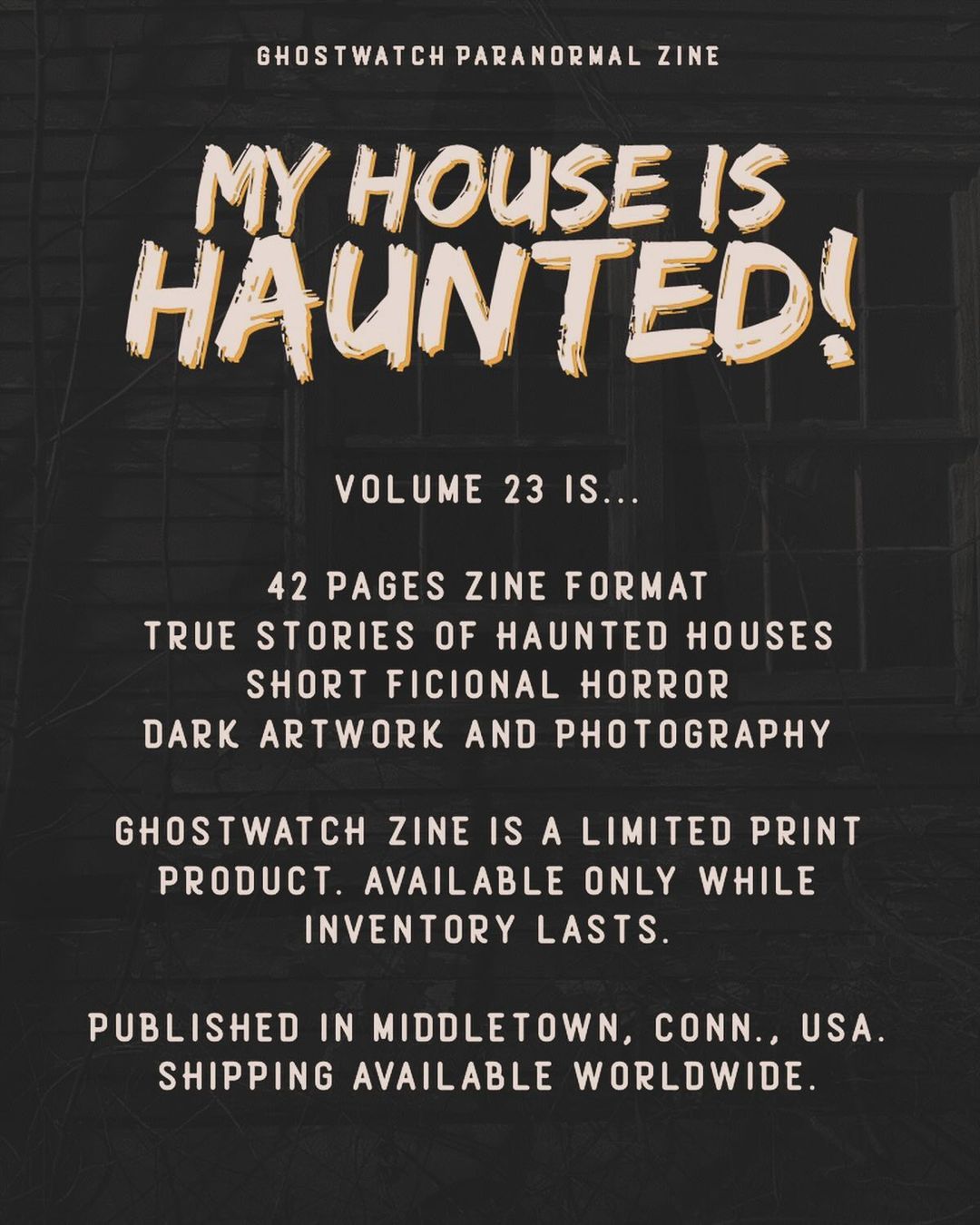
My House Is Haunted!

I’m excited to have a short story appearing in the latest issue of Ghostwatch.

My story, “The Sweet Blue House,” is based on a property I viewed while househunting in the suburbs of West Philadelphia. There’s nothing paranormal about what I saw, but some houses don’t need ghosts to be haunted.

Ghostwatch is a really neat publication. I have zero belief in the supernatural, and what I love about Ghostwatch is how it collects odd and interesting bits of folklore and documents local and regional cultures in the United States while maintaining a supremely chill attitude. The zine’s account on Instagram is a lot of fun too.

If you’re interested, you can order the “My House Is Haunted” issue here:
https://www.ghostwatch.us/product/vol-23-my-house-is-haunted

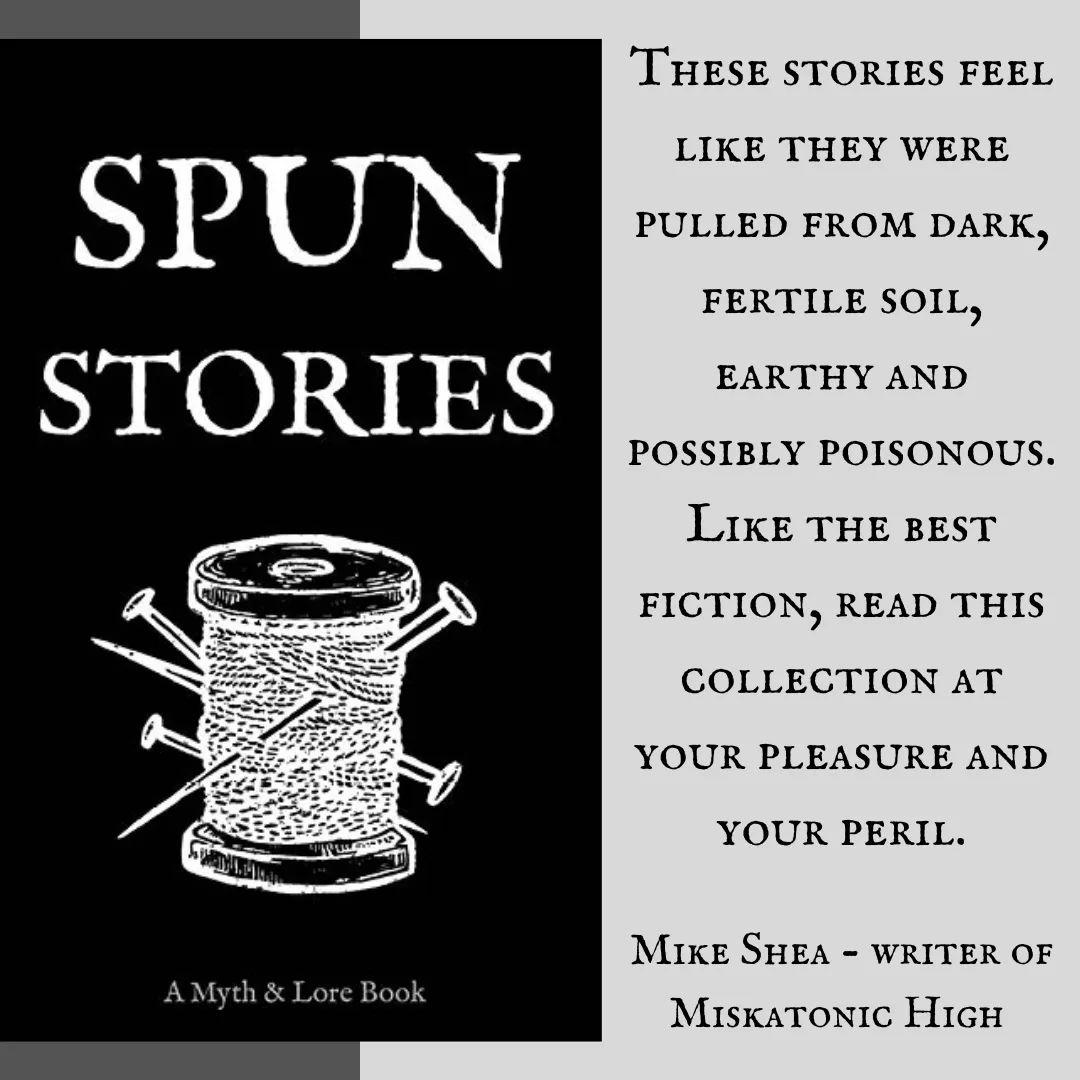
Spun Stories Folk Horror Anthology

I’m honored to have a piece appearing in Spun Stories, the first anthology of short fiction released by Myth & Lore magazine. My folk horror story, “The Cow-Headed Boy,” is about an idealistic young teacher who accepts a position in a village in rural Pennsylvania at the turn of the twentieth century. Many of the village’s Yuletide traditions are quaint and charming, but some are a bit more sinister. Despite my general lack of interest in anything related to Christmas, I ended up doing a lot of research into Germanic pagan solstice traditions, and I hopefully managed to channel a bit of H.P. Lovecraft in the process.     

If you’re interested, you can preorder a copy of the Spun Stories anthology (here), and you can follow Myth & Lore magazine on Twitter (here) and on Instagram (here). I also want to give a shout-out to the editor, a talented artist who goes above and beyond in promoting authors while networking with the indie horror community. If you’re interested in folk horror, it’s definitely worth following Myth & Lore on social media – and perhaps even submitting your own work!

The Gentle Inclusivity of Kawakami Hiromi

I’m delighted to announce that my short essay “The Gentle Inclusivity of Kawakami Hiromi’s ‘Summer Break'” was just published in the 21st volume of the Proceedings of the Association for Japanese Literary Studies. Here’s the abstract…

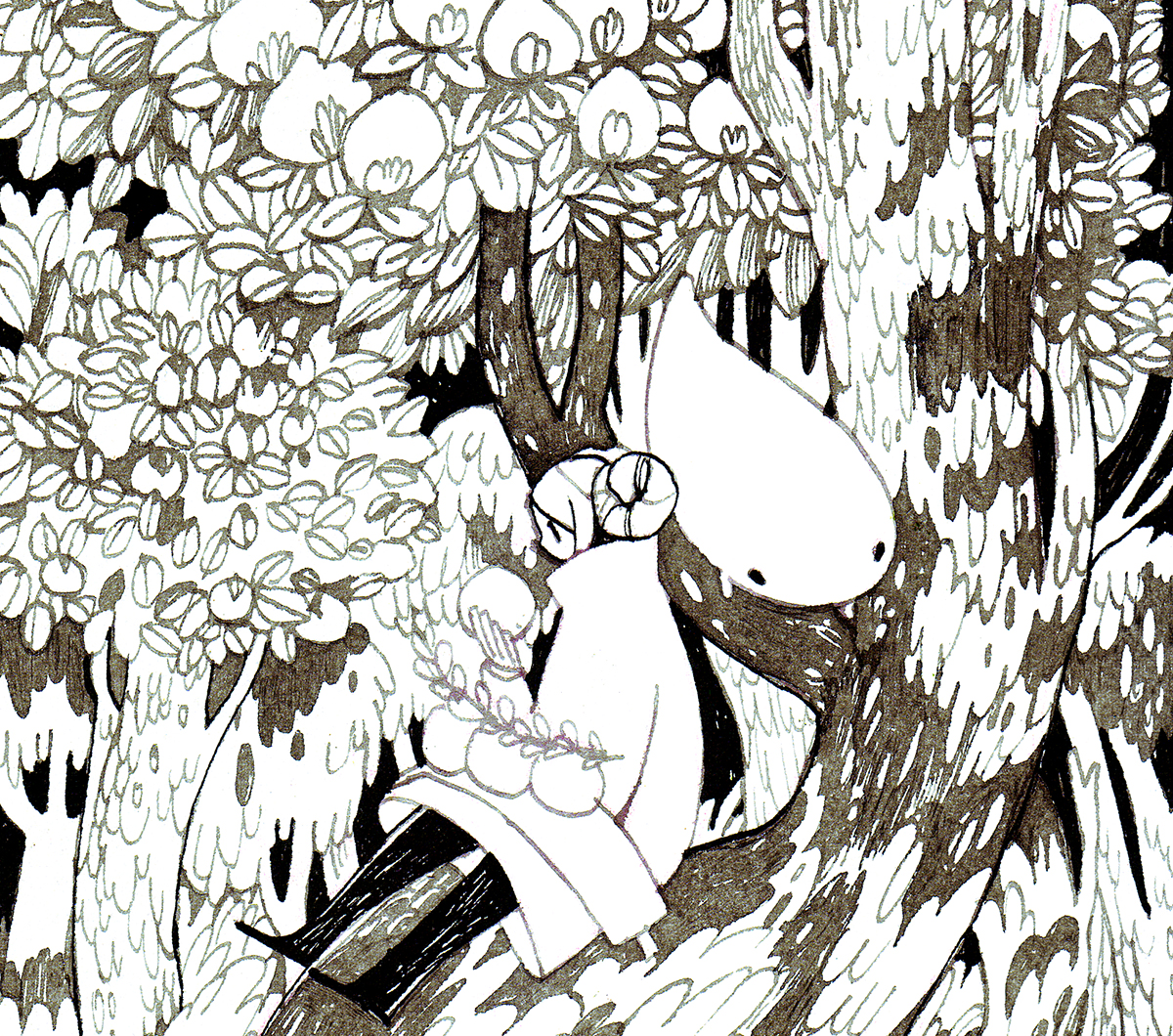
“Summer Break” (Natsu yasumi), the second story in Kawakami Hiromi’s 1998 collection The God of Bears (Kamisama), is narrated by a young person who spends a summer working as a laborer in a pear orchard. Like the other stories in The God of Bears, “Summer Break” operates according to the logic of magical realism, which is perhaps why the owner of the orchard tells the narrator not to worry about the small, talking creatures that run through the trees and devour fallen fruit. The narrator nevertheless forms a bond with one of these pear spirits, whose panic attacks mirror the narrator’s own dissociative episodes. At the end of the story, both the pear spirit and the narrator grapple with anxiety and suicidal ideation, but the story’s conclusion embraces self-acceptance.

From the first publication of the award-winning title story of The God of Bears in 1994 to the appearance “Summer Break” in the complete collection in 1998, various public figures attempted to address the social malaise that characterized Japan’s economic recession. Several highly influential public intellectuals, including the clinical psychologist Kawai Hayao and the cultural critic Saitō Tamaki, viewed mental illness as a symptom of broader cultural forces.

In “Summer Break,” however, Kawakami portrays the experience of mental illness as embodied and personal instead of abstract and societal. This paper analyzes how the fantasy elements of “Summer Break” render its treatment of mental illness as sympathetic and relatable, an aspect of the story that is enhanced by its use of magical creatures that externalize the narrator’s psychological state. I will place this analysis within in the context of recent narratives in Japanese fiction and popular culture categorized as ijinkei (“about nonhuman characters”), as well as critical discussions of the folkloric qualities of this period of Kawakami’s writing.

…that’s a lot of material to cover in such a short essay, but I think I did a decent job of contextualizing the story. This piece of writing was intended to serve as an introduction to my translation of the story itself. Unfortunately, despite almost a year of constant work and the assistance of multiple high-profile translators, we weren’t able to secure the publication rights. It’s a disappointment, but I hope the silver lining is that there are plans for the full God of Bears short story collection to appear in translation soon.

My essay is available on JSTOR; but, since I understand that not everyone has institutional access, I’ve also made a copy available on my website (here). Although it’s unofficial, you can download a PDF of my translation of the short story “Summer Break” (here). Years ago, I translated all of the stories in The God of Bears, and the illustrator I was once planning on working with to create illustrations is Maru, who you can find on Twitter (here). And finally, you can learn more about the Proceedings of the Association for Japanese Literary Studies on their website (here).