Review of Shadows of the Sea on Comics Beat

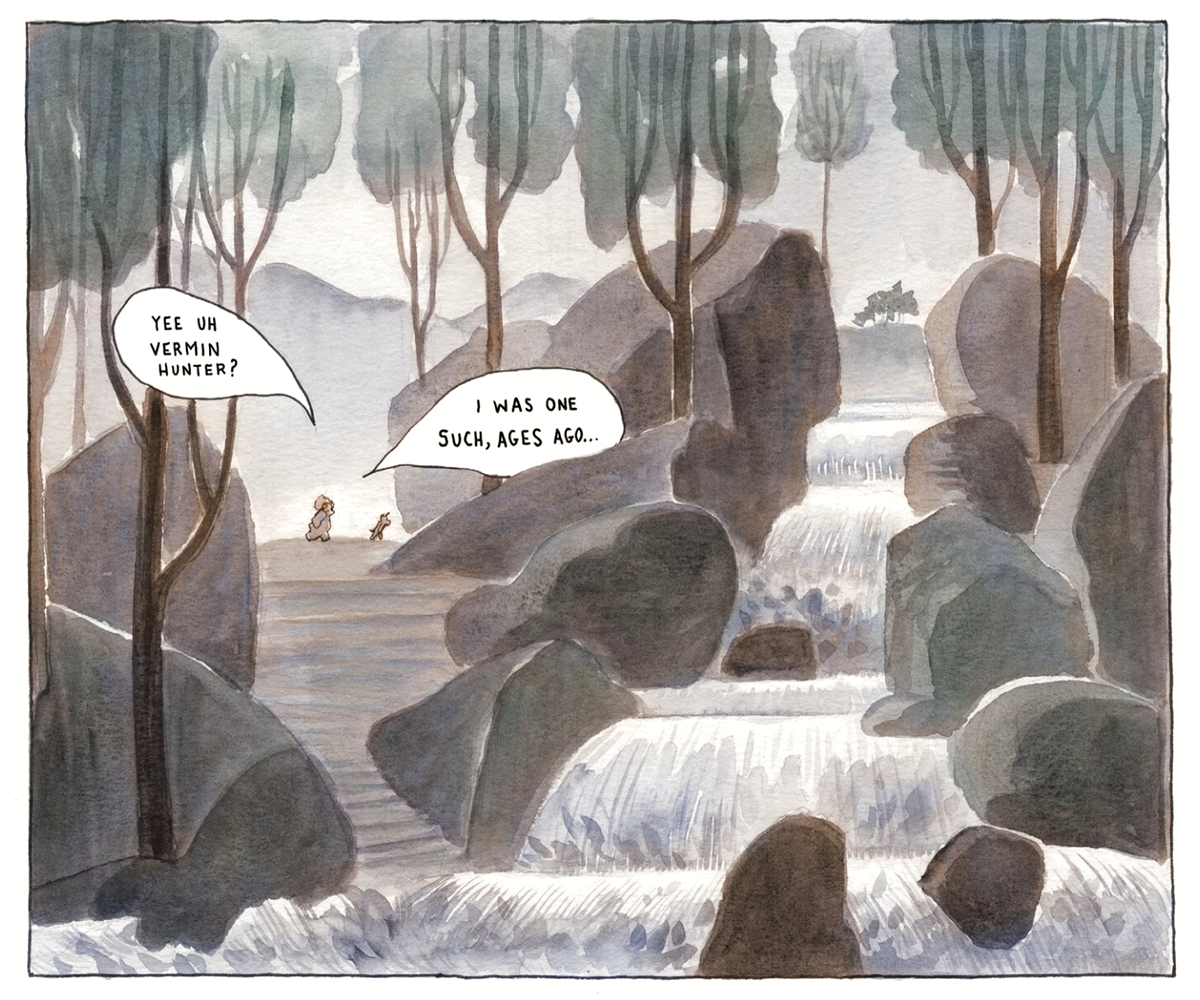
I recently had the privilege of writing a review for Comics Beat about Cathy Malkasian’s new graphic novel, Shadows of the Sea. I have to admit that I struggled with Malkasian’s previous books, which are brilliant but tonally dark and emotionally devastating. Shadows of the Sea is just as strange and heartbreaking as the artist’s earlier work, but it ends on a gloriously high note that gives me hope for the future. I was prepared to write a review about the value of portraying despair in dark times, but man. Hope is good too.

Here’s an excerpt:

In his review on The Beat, John Seven assesses Malkasian’s 2017 graphic novel Eartha as one of the artist’s characteristic “gloomy, apocalyptic parables that don’t make you feel so great about humankind.” It’s difficult to disagree, as Eartha is deeply disquieting. In contrast, Shadows of the Sea feels like a gentler turn of the same thematic wheel, presenting a story that’s smaller in scope but richer in emotional immediacy. The fantastic world Malkasian has painted is cruel and strange, to be sure, but it still affords the possibility of healing. Shadows of the Sea lingers not because of its darkness, but because of the hope that emerges after a brave confrontation with bitter truths.

You can read the full review on Comics Beat here:
https://www.comicsbeat.com/graphic-novel-review-shadows-of-the-sea/

Review of Witchcraft on Comics Beat

My most recent review for Comics Beat is about Witchcraft, a graphic novel by Sole Otero, an internationally famous Argentinian comic artist whose style has developed in a cool and unique way during the past decade. Witchcraft is a massive book, but it’s an incredible page turner. The writing is brilliant, and the art is both extremely stylized and exactly what it needs to be to tell the story, a gothic cautionary tale that jumps between the present day and various periods in the history of Buenos Aires. And the story is indeed about witches and magic and power. This book is so goddamn good, and I feel very honored to have been able to write about it. Here’s an excerpt:

Witchcraft is primarily set in Buenos Aires, and the narrative jumps between historical periods when the witches were active and the present day, when the gender politics of their activities are far more complicated. It would be easy to see the witches as feminist saviors as they run women’s clinics and shelter members of the local indigenous population, but their benevolence is called into question by the nature of their magic, which requires the victimization of men and the silent complicity of their fellow women. Instead of a feminist message, what Witchcraft offers is a fast-paced and high-stakes story about cycles of abuse and the human cost of the sacrifices necessary for the marginalized to survive.

You can read the full review on Comics Beat here:
https://www.comicsbeat.com/graphic-novel-review-witchcraft/

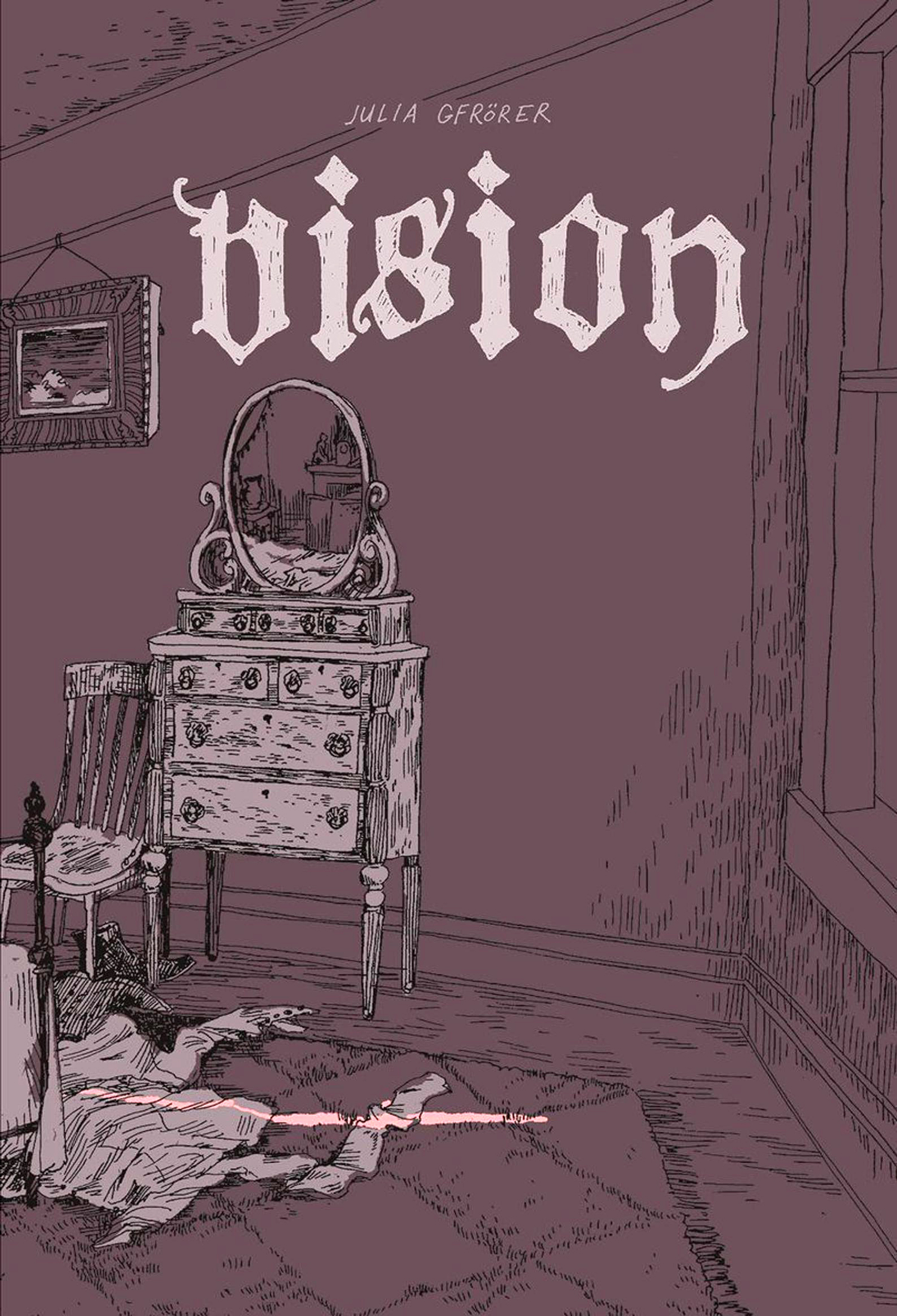
Vision

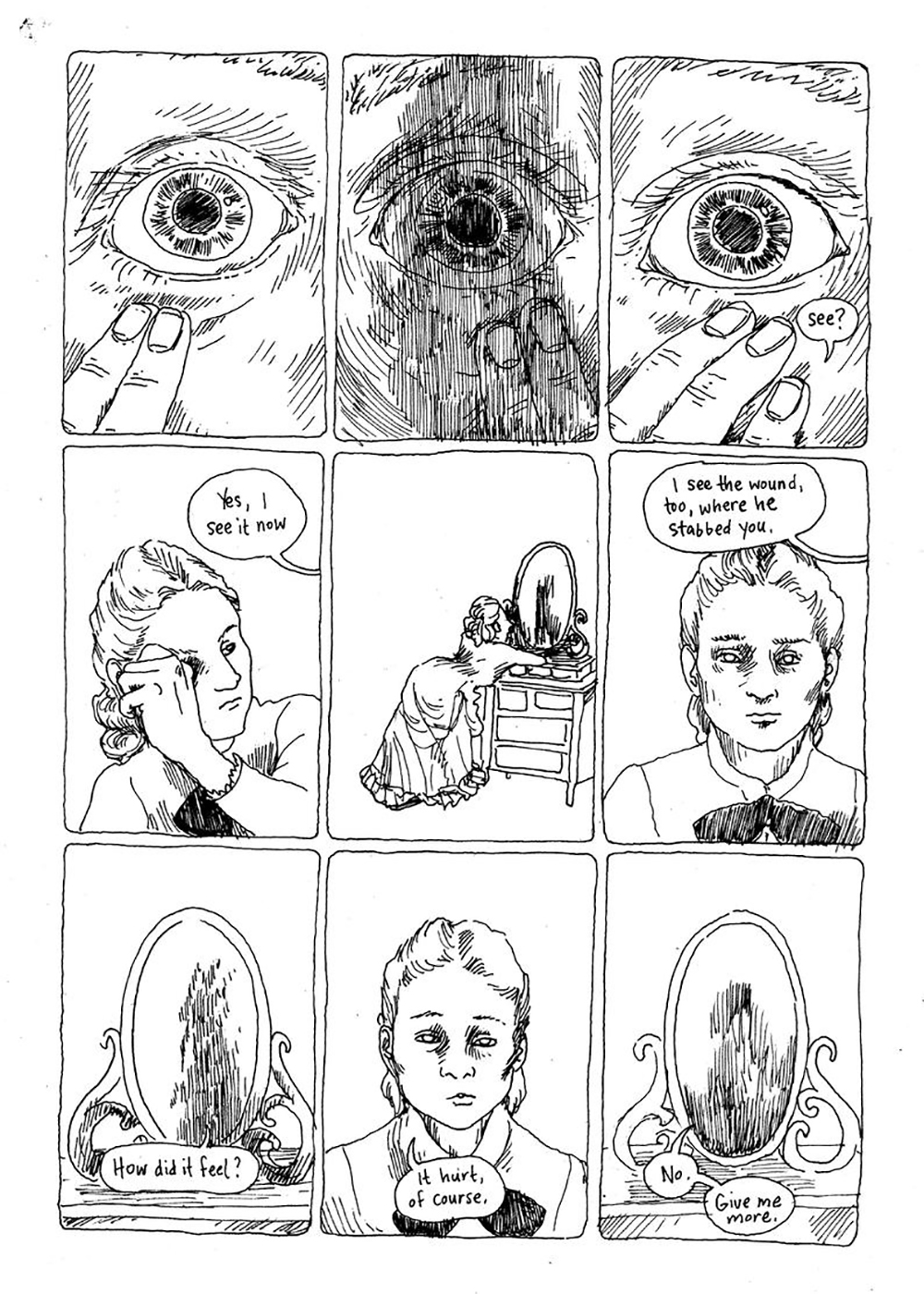
In nineteenth-century London, Eleanor lives in her deceased parents’ house with her brother Robert and his wife Cora, who is bedridden with a vague illness. Eleanor was previously engaged, but her fiancé died after enlisting in military service. Having become an unmarried woman of a certain age, Eleanor spends her days caring for her sister-in-law. At night, however, she engages in sexual fantasies in front of her mirror, which she imagines as speaking to her in the voice of an unseen lover.

This situation might continue indefinitely were it not for the romantic attentions of a certain Doctor Bishop, who treats Eleanor’s cataracts and prescribes Laudanum to calm Cora’s nerves. Bishop is affectionate and well-meaning, but Eleanor is a quiet storm of resentment and repressed sexuality whose veneer of quiet virtue and good sense is one the verge of cracking.

Vision is a brilliantly written and gorgeously drawn graphic novella that explores the subtleties of how trapped and lonely people isolate themselves while simultaneously seeking connection, but it’s also a sharp and disturbing story about sex and death. The death is understated and phantasmal, while Eleanor’s sexuality and desire is on open display. Each of the erotic scenes is mirrored by a grotesque reflection, such as when the imagery of Eleanor’s self-pleasure with a candle is reflected in an extended scene depicting her eye surgery. Julia Gfrörer’s linework is delicate yet expressive, granting her characters warmth and personality while occasionally portraying them as eerily inhuman.

Eleanor’s story becomes stranger as various small mysteries and imbalances accumulate into an ever more fragmented portrait of a haunted household. The climax is shocking but perhaps not unexpected, and far more questions are raised than could ever be answered. The absence of clear explanations and justifications is part of the appeal of the narrative conclusion, however, while gradual shifts in the ink style contribute to an encroaching sense of dread – and curiosity.

Vision was published by Fantagraphics Books in September 2020. You can read more about the book on the press’s website (here), and you can order a copy from the Julia Gfrörer’s store on Etsy via its listing (here). Gfrörer’s two previous graphic novel publications with Fantagraphics, as well as her zines, are also listed on Etsy, and each is as creepy and fascinating as the next.