An Unfound Door, Chapter 12

Fhiad and Agnes enter the abandoned west wing of Faloren Castle via a covered bridge that crumbles into the lake below as they cross. As they explore the empty corridors, Fhiad admits that he wasn’t particularly well-suited to being a diplomat. All he wanted was to leave for the university in Cretia, as his talent at magic was the only thing that set him apart from his sisters. After entering the ruins of the academy housed in the west wing, Fhiad and Agnes experiment with the magical tools left behind in a lecture hall, gleefully not caring about the wreckage they create.

.

Chapter 12 is at the core of the “fun and games” section of the novel, which mainly involves Agnes and Fhiad exploring an impossibly giant castle. The currently occupied east wing is sad and empty but still livable, while the abandoned west wing is a crumbling ruin barely held together by magic. I did my best not to write too many scenes of characters walking down hallways, but I enjoyed describing the decrepitude of the environment.

This is the chapter in which Fhiad and Agnes begin to flirt with one another. As the culmination of their flirtation in the chapter’s final scene, they experiment with magical tools left behind by dead mages, and they behave a bit like Link smashing pots in a dungeon just because he can. Personally speaking, this is 100% what I’d do if magic were real. I wouldn’t want to hurt anyone, of course. I just think it would be neat to make junk cars explode.

I spent my teenage years in a rural area in the Deep South near where Stranger Things was filmed. I worked a number of garbage part-time jobs with other local kids; and, when we got off our shifts in the evening, we would drive around the country roads and look for abandoned houses where we could sit and smoke weed to chill out for a bit before going home.

A lot of these abandoned houses were filled with literal piles of junk, and there was a certain pleasure in lining up ancient Coke bottles along rotten wooden porch railings and throwing rocks to smash them. The glass made a lovely sound when it shattered, and the broken shards were beautiful in the moonlight.

Fhiad and Agnes aren’t teenagers, and neither of them is the sort of person who would work in a gas station convenience store. Still, I think this is an aspect of human nature that transcends time and place and social class. If the world is already filled with ruins, why not smash some glass? It’s a minor and ultimately meaningless act of rebellion against a system that failed long before you were born, but that doesn’t make it any less satisfying.

The illustration accompanying this chapter preview was created by the magical SashaArts, who draws radiant fantasy portraits that you can find on Instagram (here), on Twitter (here), and on Bluesky (here).
This Year’s Adventures in AI Ethics

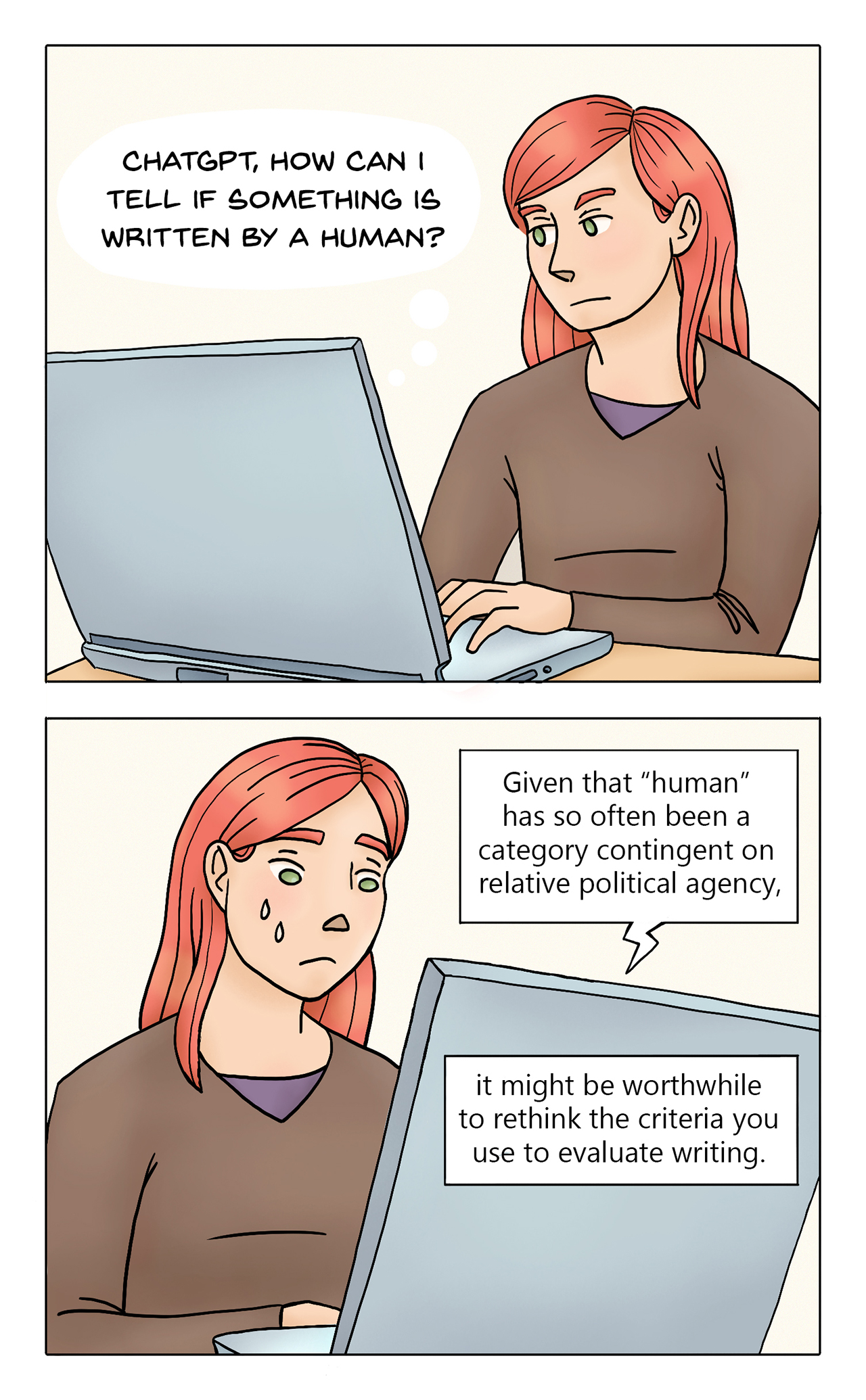
Out of curiosity, I started experimenting with ChatGPT this semester. There’s not much to say about it, save that it generates stale and flavorless writing that’s easy to recognize once you know what it looks like.

Unfortunately, now that I can recognize text generated by ChatGPT, it’s hard not to see it. It’s also hard not to get my feelings hurt when my students submit work written by ChatGPT. Why would they do me dirty like that?

So I’m not saying that I like ChatGPT. I actually kind of hate it.

Still, the potential for this sort of writing engine is incredible. What if it could work not just as an actually functional grammar checker, but also as a translator between different ways of self-expression? Wouldn’t it be interesting if the model could be developed to “translate” an outline or quickly written sketch of an idea into a piece of writing that was more easily understandable by a broader audience? Wouldn’t it be nice if people who felt embarrassed or otherwise unable to express themselves had a means of putting their thoughts on paper?

I understand how unrealistic it is to think that ChatGPT won’t be abused by bad-faith actors, and I also understand that there’s no point of people in marginalized positions having a voice if the venues where they could be heard are shut down due to AI-generated content spamming. At the same time, I think it’s probably healthy to keep an open mind and be as inclusive as possible when defining who (and what) counts as “human.”

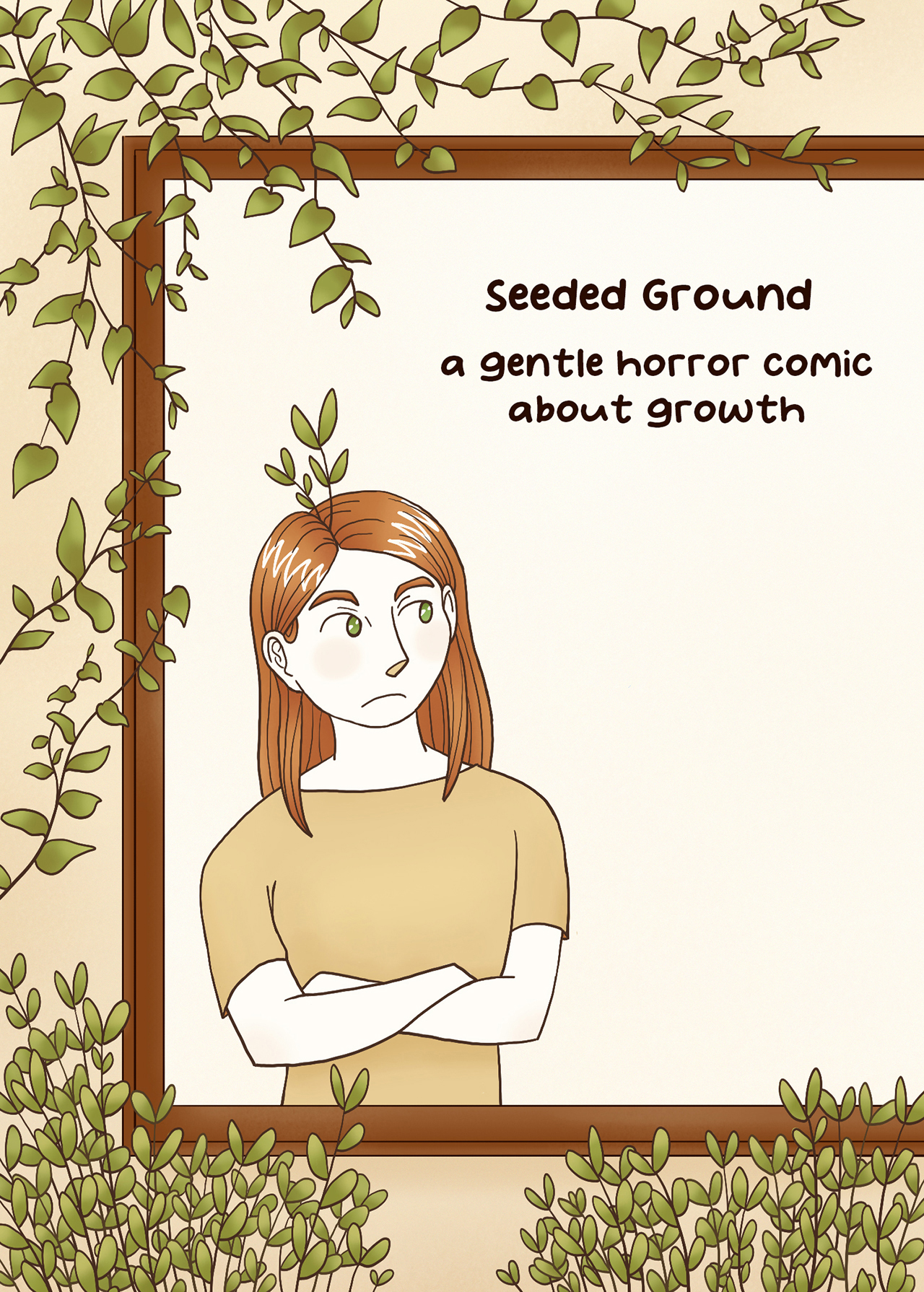
Seeded Ground

Seeded Ground is a twelve-page botanical horror comic about growth. It reads a bit like a supervillain origin story, but I created it as a statement of resistance against the oppressive ideologies of neoliberalism that have lured so many people in my generation into the trap of self-optimization.

You can download a free digital copy of the comic from Itch.io here:
https://digitalterrarium.itch.io/seeded-ground

I was inspired to draw this comic by a tweet written by a respected senior scholar. They argued that assigning at least five pages of writing every week is necessary to maintain “a certain standard of quality” in the undergraduate students who register for their classes.

This tweet inspired me to reflect on an unfortunate aspect of education in the United States. Namely, it’s an unstated but almost universally accepted goal of the formal education system to monopolize students’ time in order to train them to become the sort of adult workers who are willing to devote their lives to their career. An employee at a “good” job is expected to wake up early, commute, spend the entire day at work, and then go home and finish the tasks they didn’t have time to complete at the office. Meanwhile, freelance and part-time workers are expected to be available at any hour of the day, every day of the week, and at short notice. This is messed up, and I hate it.

My own experience as a professional working adult has essentially been the equivalent of that professor’s tweet. Namely, I’ve felt compelled to engage in meaningless work that no one will ever see in order to maintain the pretense of “a certain standard of quality.” Around the time of the pandemic, I got fed up. Was I really supposed to feel guilty about not replying to emails within 24 hours while I was sick with Covid? Fuck that.

These days I’m much more aggressive about enforcing boundaries concerning how much work I’m willing to do, and I can’t even begin to express how much the quality of my life has improved. I have no regrets.

As an epilogue to Seeded Ground, I illustrated a quote from the radical social theorist Herbert Marcuse’s 1964 book One-Dimensional Man: Studies in the Ideology of Advanced Industrial Society:

“If the individual were no longer compelled to prove himself on the market, as a free economic subject, the disappearance of this compulsion would be one of the greatest achievements of civilization.”

And he’s not wrong! I know it’s a twee Millennial stereotype to hate capitalism, but I really do believe that the point of life is not to optimize your performance as an employee. People need room to grow.

And if that growth is impeded? All sorts of bad things can happen. 🌿

Scotland

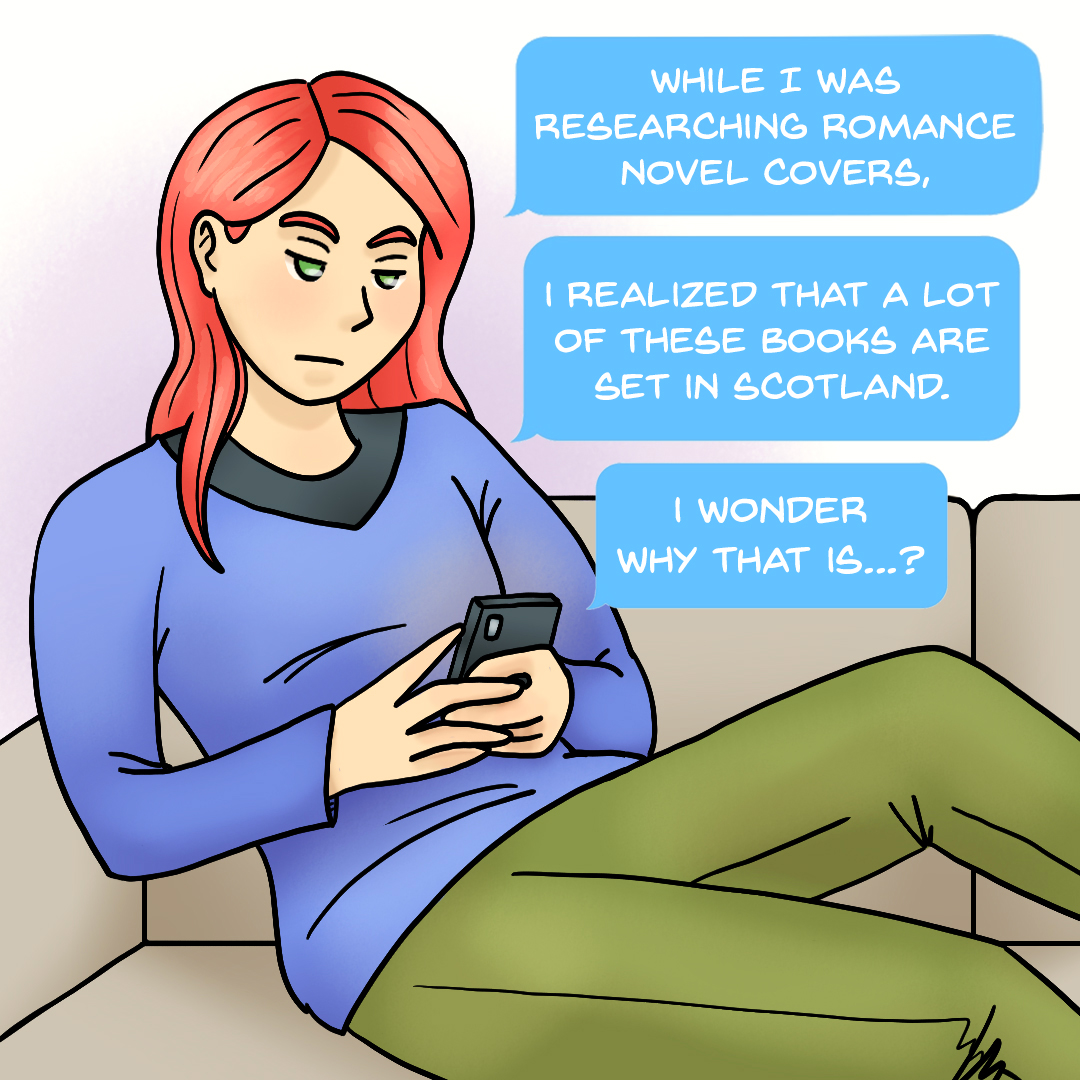
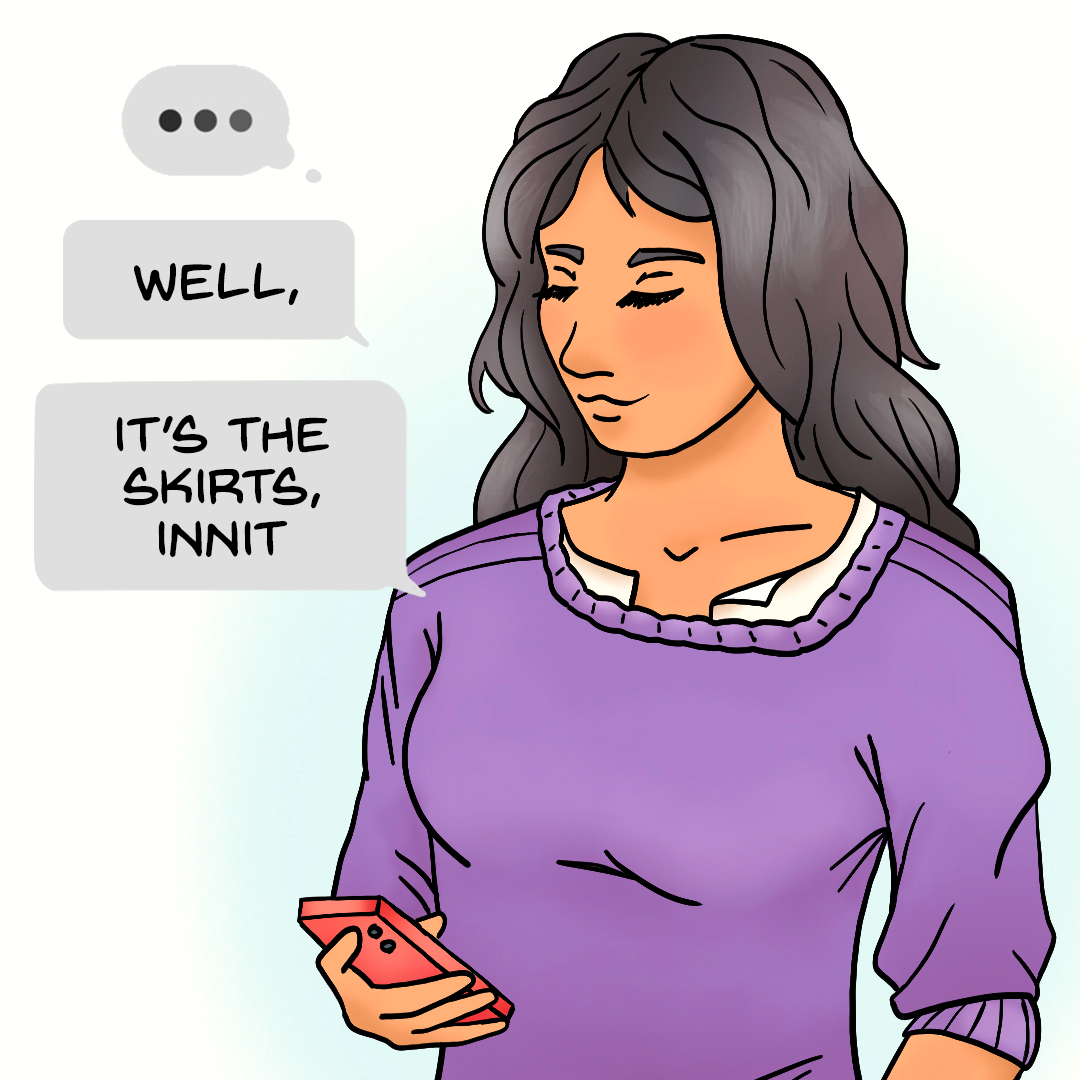
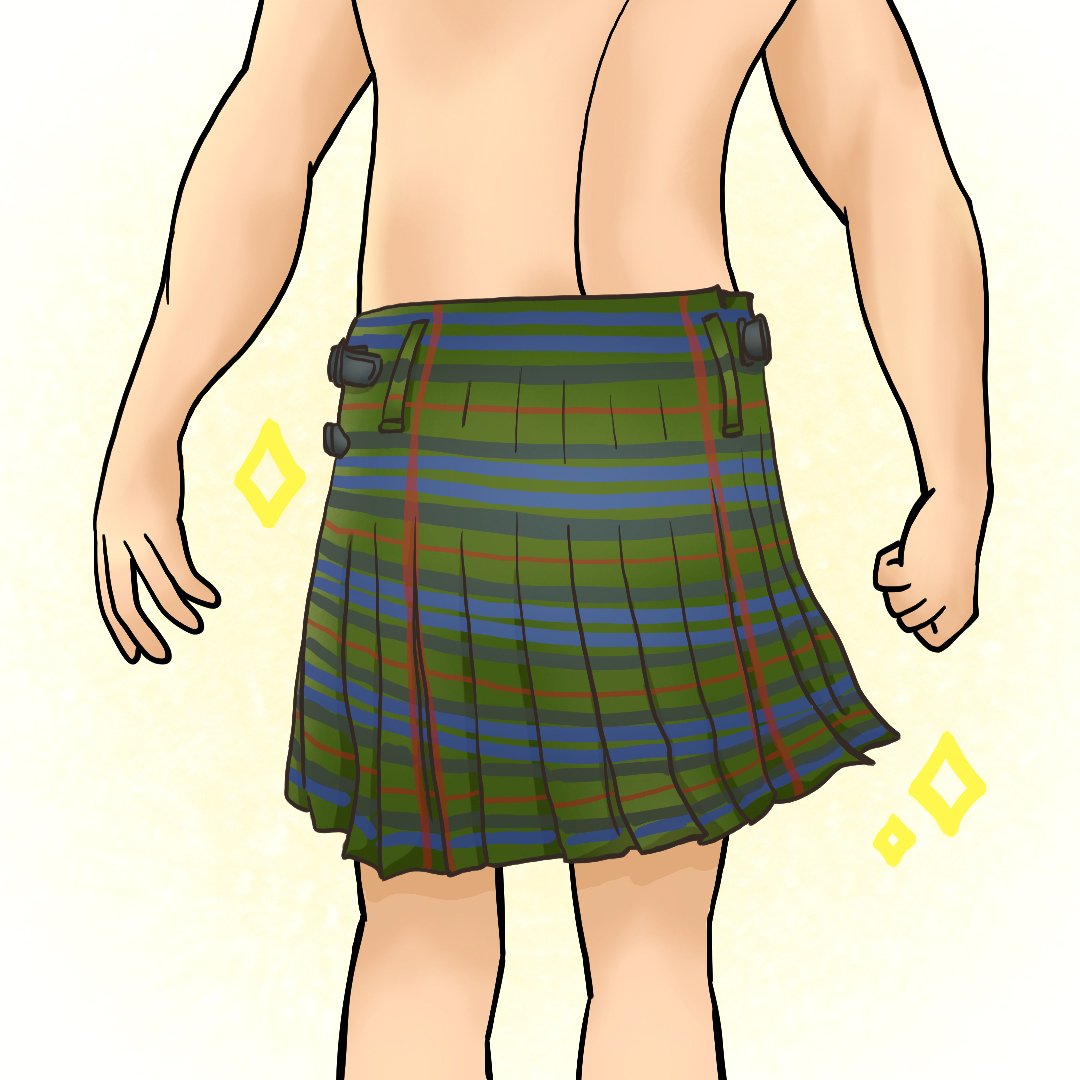
This is a sequel to my “Demonic Women in Fiction” comic.

I think perhaps the most amusing aspect of that comic was how much hate it got on Twitter. I actually had to lock my account for a few days because randos kept popping up and commenting with long lists of every demonic man who has ever appeared in popular culture. Those dudes don’t know me, so they would have no way of knowing this, but I am in fact very familiar with demonic men. I’m even something of a connoisseur, one might say.   

Still, I haven’t read that many m/f romance novels, so I have only recently learned about Scotland.  

I should add that I’m referencing a line from Lucky Penny, a comedy romance (graphic) novel about romance novels. Lucky Penny‘s story is a lot of fun, and the writing is fantastic.

A Monstrous Little Mermaid Story

I’m honored to have an essay in one of my favorite online magazines, Cosmic Double. “A Monstrous Little Mermaid Story” is about how I discovered the joy of queer transformations in HP Lovecraft’s “The Shadow over Innsmouth.”

“A Monstrous Little Mermaid Story” is free to read on the Cosmic Double website here:
https://cosmicdouble.com/2023/01/08/a-monstrous-little-mermaid-story/

I originally created this essay as something of a writer’s statement for a short story called “Don’t Eat the Fish.” The story is about the uncanny space at the intersection of queerness, disability, and economic precarity, but I also think it stands on its own as an unsettling work of body horror. I workshopped this story for years as I slowly developed my skills, and I worked hard to polish the narrative voice and sharpen the genre effectiveness while also being as honest as I could about the nuances of my own personal experience.

I generally try to keep overt identity politics out of my writing, which isn’t a value statement as much as it is a personal preference. It’s not as though my stories aren’t informed by my identity or social environment. Rather, both my identity and my environment constantly shift and change, and my stories generally aren’t about myself to begin with. Still, because this particular story was so strongly informed by my positionality, I spent more than a year submitting it a series of literary magazines dedicated to raising the voices of queer, disabled, and economically precarious writers.

Unfortunately, every single magazine I submitted the story to was like, “Oh damn, that’s truly upsetting, and this story is not Positive Queer Representation™ enough.” Usually, when I have a story rejected, I’m lucky enough to get a personal note from an editor along the lines of, “This isn’t a good fit for us right now, but we all enjoyed this piece and would love to see more work from you in the future.” With this story, the response was inevitably: NO.

I therefore wrote this essay as a way of processing what my story and its literary influences meant to me. I’ve long since accepted that the story itself will never be published, but I’m truly grateful to Cosmic Double for being willing to publish an essay that may not be Positive Queer Representation™ but still attempts to represent what I believe is a very real aspect of nonbinary (and trans!) queer identity. That takes courage, and the essays I’ve been reading on the site led me to believe that the editors are open to an earnest investigation of what it means to feel “monstrous.” If you’re interested in well-crafted essays from unexpected points of view, please check them out!

Decomposition: Tales of Botanical Horror

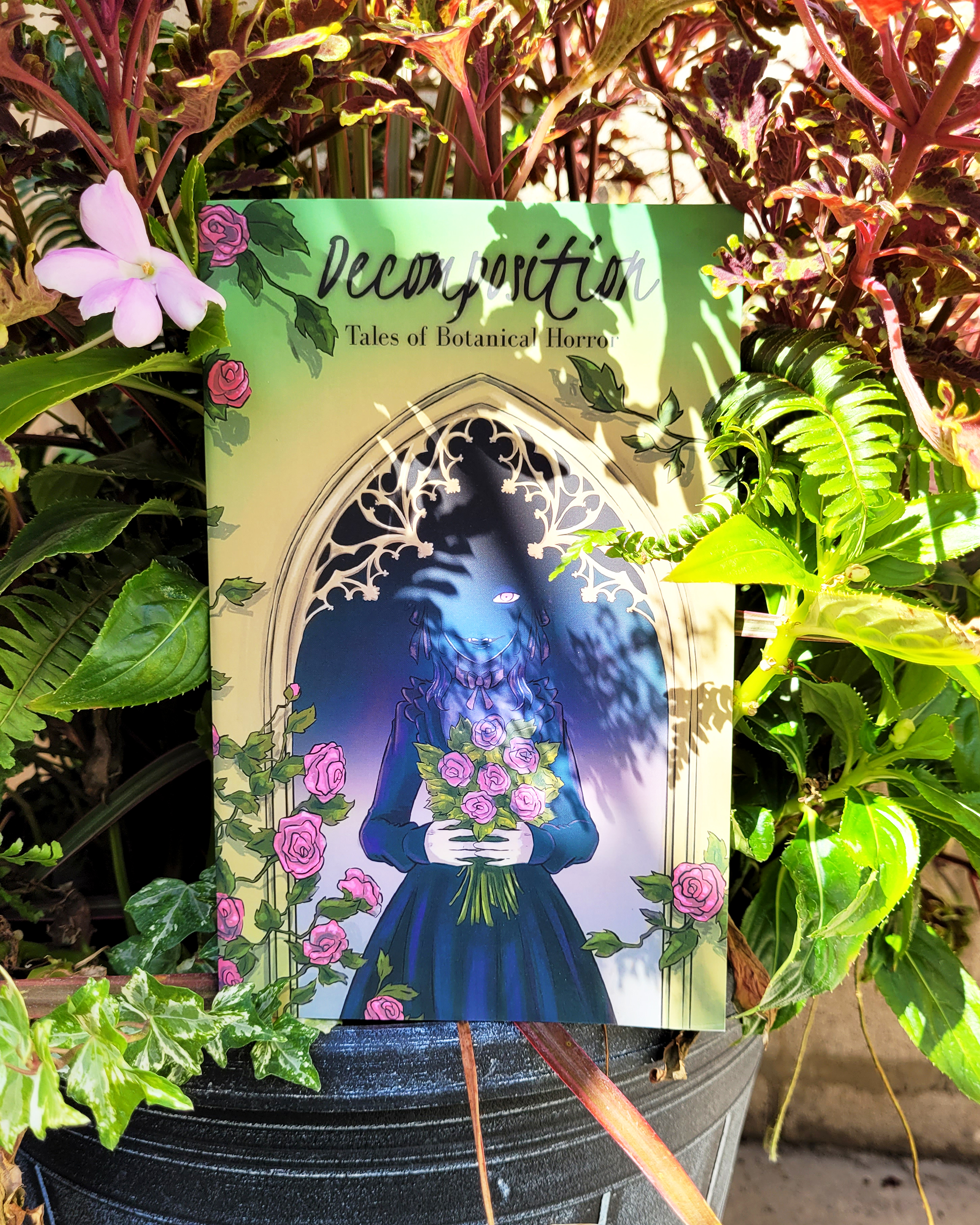
My newest short fiction zine, Decomposition, collects six short stories of botanical horror and dark fantasy. It features a number of guest artists and spot illustrations, as well as a gorgeous cover created by the botanical art wizard Frankiesbugs. I’ve listed the zine on Etsy (here) if you’re interested.

The past few years have been tough for me. It’s become somewhat taboo in American culture to admit that the pandemic wasn’t the best thing to ever happen to you, so the less said about this the better.

I have to admit that I’m a gremlin who doesn’t really care about germs, but for a while I found it very difficult to relate to other people. I didn’t want to see other human beings at all if I could help it. This is why, after I moved to Philadelphia, I started spending a lot of time wandering around abandoned spaces.

Philadelphia is a fun and interesting city with a steadily growing population and multiple vibrant local cultures, and I find it annoying when people take pictures of a normal street or an early-morning empty parking lot and tag their photos as “urban decay” on social media. That’s just rude. Still, I think it’s easier to get funding to build new construction than it is to repair existing structures, so there’s a surprising density of ruins and wild spaces in and around Philadelphia.

What surprised me while walking around the emptier areas of Philadelphia is just how quickly most architecture returns to nature. Maybe stone castles and granite walls and asphalt roads can last for centuries without maintenance, but a normal house or Burger King or whatever is going to last for one or two decades at most. It’s only going to take about five years before the roof goes; and then, once the water damage gets started, that building is finished. The shell of the walls becomes its own little ecosystem, with plants pushing up through the brick and concrete. In Philadelphia, fig trees and sumac shrubs grow wild just about everywhere, providing food and shelter for insects, birds, and larger animals like opossums and raccoons.

On one hand, it’s lovely to see these pockets of green in postindustrial urban areas. On the other hand, it’s a bit creepy how aggressive plants are in taking over space formerly occupied by people. If you think about it, plants have been on this earth for hundreds of millions of years, and they will remain here long after the last human draws its final breath. Their green dreams are beyond our comprehension as their roots silently feed on the soil of our bodies. Plants are forever growing and forever hungry, and they’ll take everything back from us eventually.

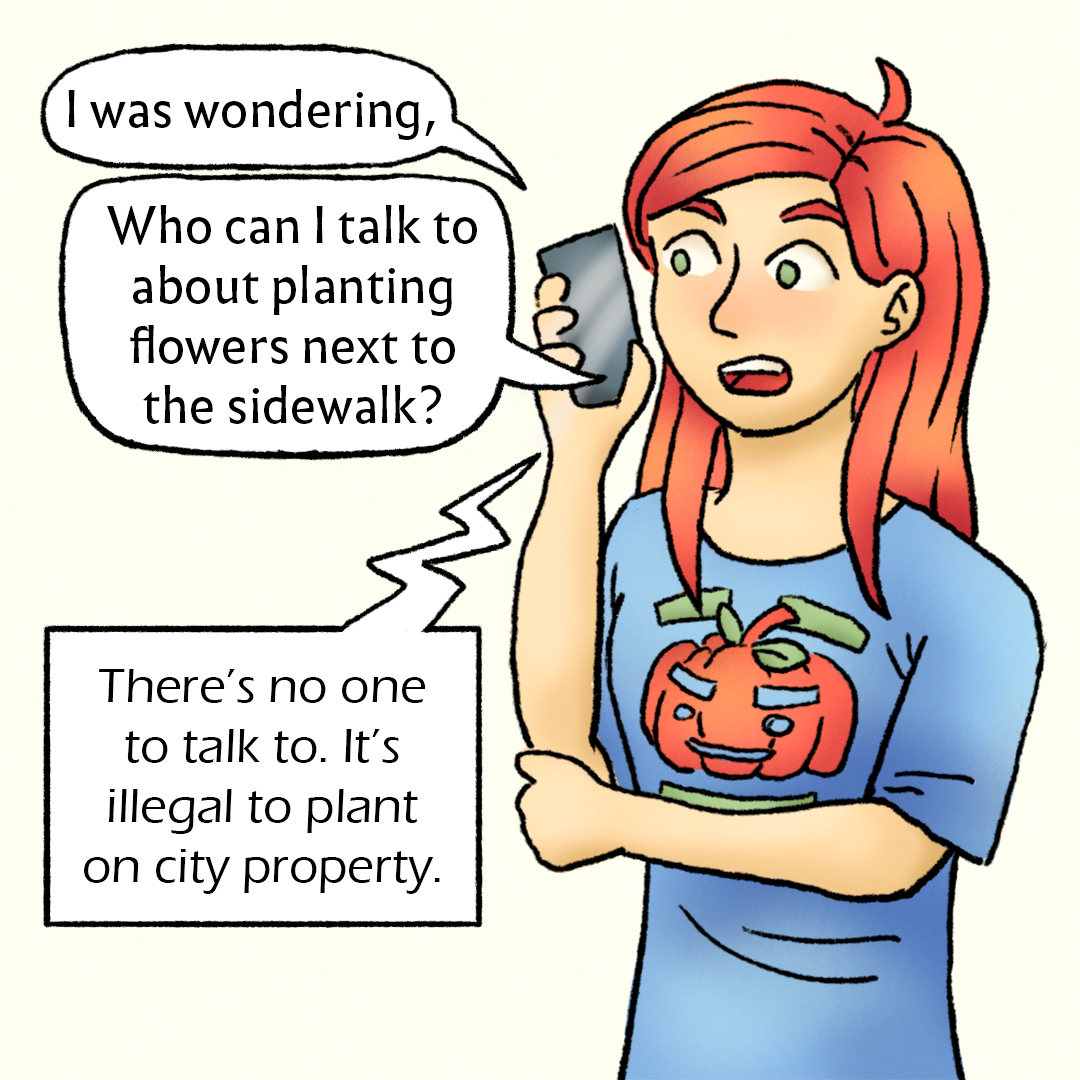
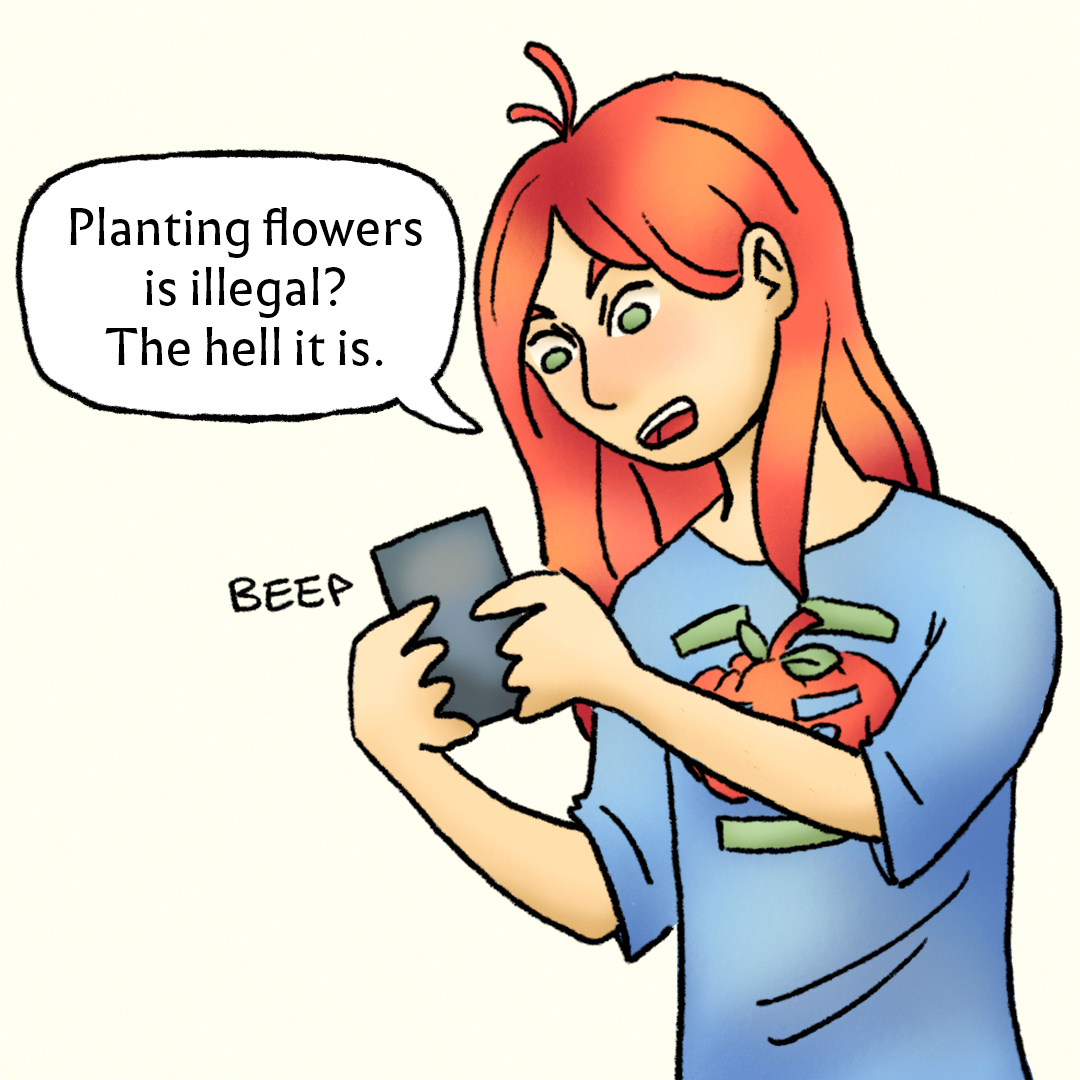
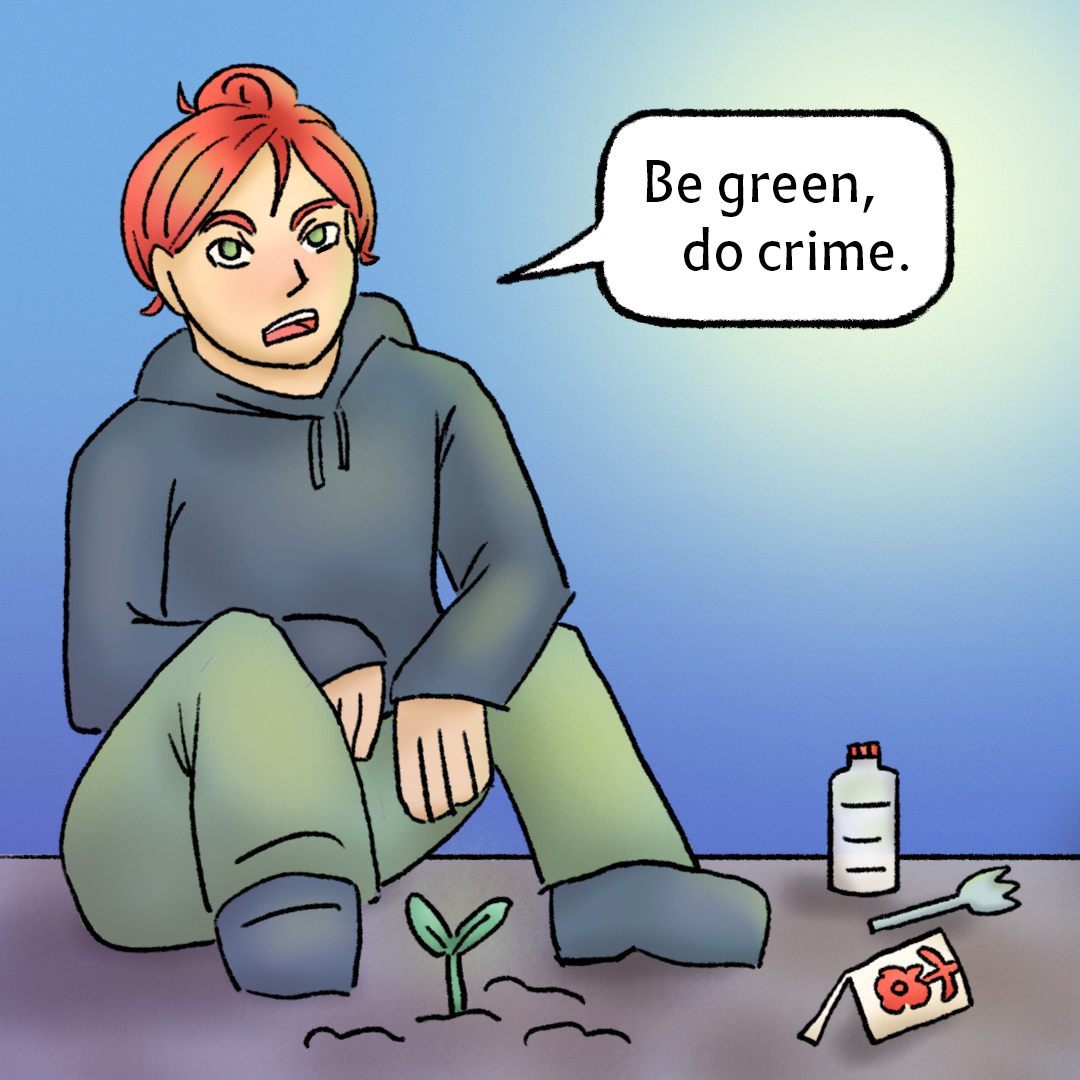
Be Green, Do Crime

Despite my interest in horror and dark fantasy, I’m very normcore in real life. Still, I am willing to engage in civil disobedience in order to touch grass. If I can’t afford to live in a neighborhood with flowers, then I’m just going to have to plant them myself.

This comic received a lot of support when I posted it on Tumblr, by the way. (This) is one of my favorite responses. Kudos to my fellow urban gardener for the addition!

Plant Space

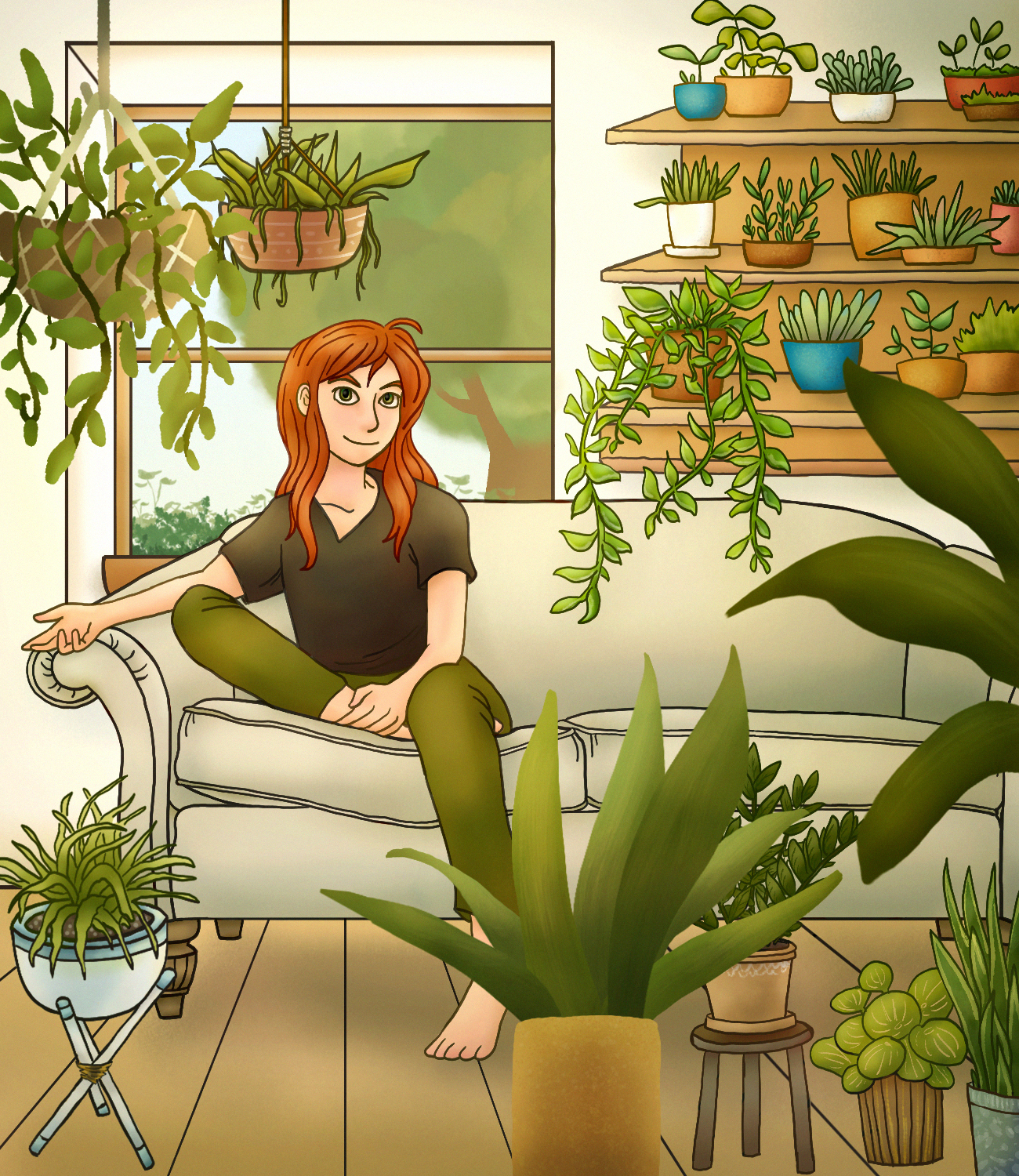
No one in this house is “productive.” 🌿

Inspired by my annual reading of Sarah Ahmed, I drew this as a reminder to myself that there’s room for stillness and silence in the ongoing resistance against systems that seek to exploit our energy and labor. It ended up becoming an unintentional self-portrait. I was thinking, “What sort of person would live in a house like this,” and then I realized, “Oh right, I do.”

A lot of my plants have been all across the United States as I moved from apartment to apartment while chasing jobs in a market that depends on people like me, by which I mean young(ish) people who are willing to cut their connections and uproot their entire lives in order to have a small chance at getting their foot in the door of an unnecessarily competitive industry. Academia especially is built on exploited and largely uncompensated labor, and there’s so much survivor bias that not even the people who have experienced and suffered from this precarity acknowledge how harmful it is to everyone involved.

It’s wild how the vast majority of critiques of capitalism are contained within the logic of capitalism. Capitalism is all about doing things and being productive; and, in exactly the same way, most critiques of capitalism are about doing things and being productive. To give a classic example, Marx says that workers need to utilize the “muscle power” and “vital force” that have been harnessed by capitalism and redirect their energy and labor to overthrow the system. I would argue that not doing things and not being productive is an equally valid means of resisting capitalism. Sarah Ahmed, who has just as fraught of a relationship with academia as I do, has argued the same thing: Don’t allow yourself to become a tool in the hands of people who are intent on breaking you.

After being destroyed by a “dream job” that I almost had to kill myself to stay on top of, I made a firm decision to take it easy and chill out for a bit. Part of this decision is deprogramming my instinct to be “productive,” but a lot of it is simply taking the time to be quiet and listen while creating the space to appreciate the sort of time-consuming writing, scholarship, and art that’s been marginalized and pushed aside by the constant demand for new content. Like my plants, I’m going to sit still and soak in the sun.

………also, I needed an “author photo” for my summer project, a zine about Gothic botanical horror. 💀🌱

Growing Up with The Legend of Zelda

The Legend of Zelda series has been criticized for its formulaic writing, but one of the strengths of its archetypal characters is that they allow room for multiple interpretations. I was born in the same year as the Zelda series, and my perspective on these characters and their stories has shifted as I’ve grown older.

When I was a kid, I loved Link. I had no innate skill as a gamer, but I enjoyed the thrill of running wild in Hyrule. I may not have fully understood the game mechanics, but this meant I was always discovering new things. Despite my many deaths, I reveled in the certainty that I was a force of good fighting for justice, and it was comforting to know that all I had to do in order to succeed was to follow the marks on my map.  

In my late teens, I began to identify more with Princess Zelda. As my view of the world became wider, I realized that it wasn’t always the best course of action to charge forward with an unsheathed sword. I also came to understand that it was impossible for me to be a lone hero. There were times when I would be at the mercy of forces beyond my control, and sometimes I would need to rely on the strength of other people to achieve my goals.  

Now that I’m an adult, I can’t help but sympathize with Ganondorf. The world is infinitely complicated and filled with impossible decisions. Even though you may have the best of intentions, it’s inevitable that some people will see you as a villain when you challenge the status quo. If you want the power to change the world, you have to forge your own path, and no one will give you a map marked with signposted quests to complete. Still, as long as you’re making your own rules, you might as well be stylish and have gorgeous hair.

The Legend of Zelda series has become a type of modern mythology. The games continue to be relevant not just because of the strength of their gameplay, but also because of the resonance of their archetypes in the lives of the people who grow up with their stories. Instead of growing out of the Zelda series, I’ve found that I’ve grown to appreciate it more now that I can relate to the characters through multiple levels of lived experience.

. . . . . . . . . . . . . . . . . . .

This essay and its accompanying illustration were originally published in Coin-Operated Press’s Nerd! Zine anthology. You can check out the zine on the press’s website (here).

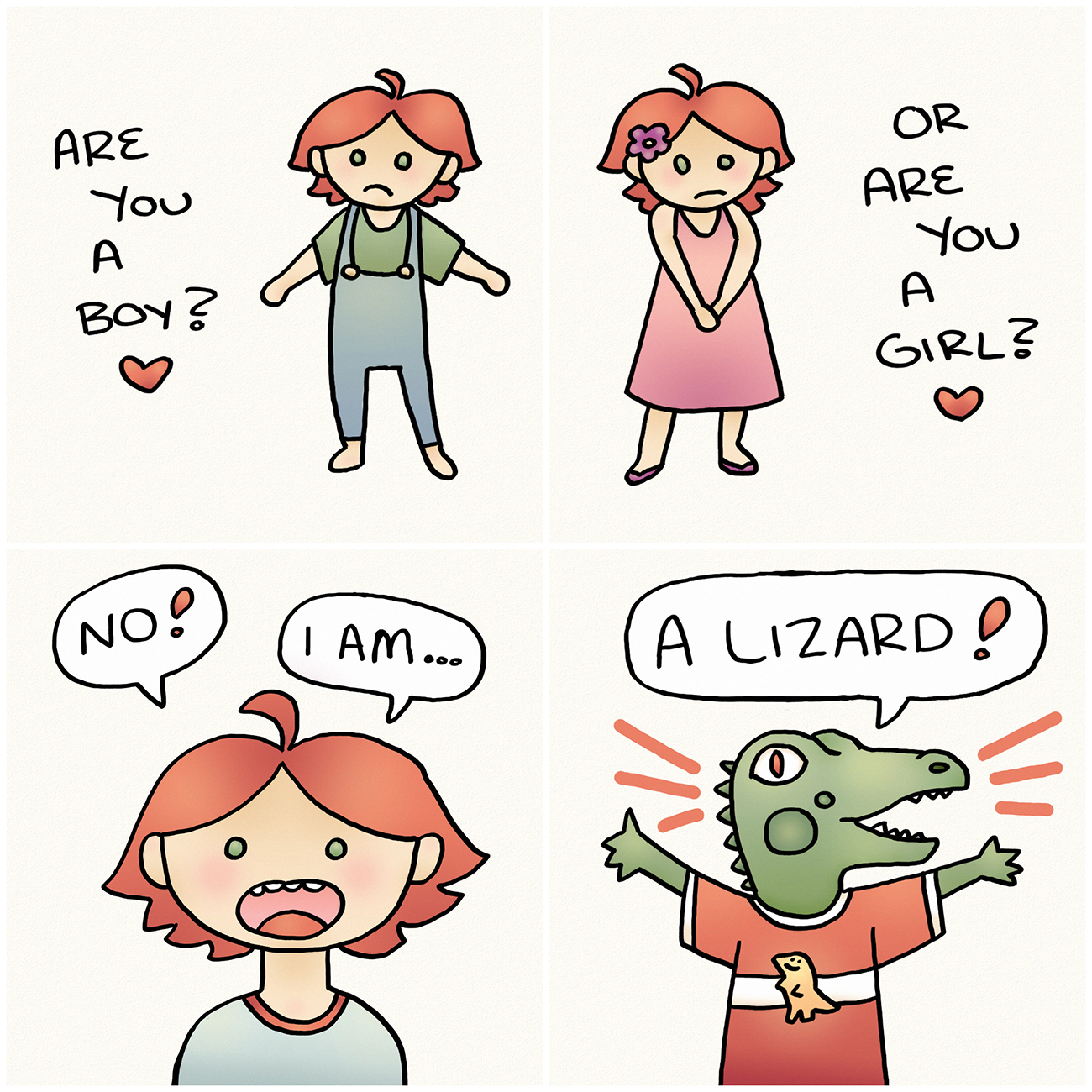
Today’s gender is…

…lizard! 🦎

I used to have a pet iguana, and I never learned whether it was a girl or a boy. It was fascinating to me that this beautiful and handsome creature could exist in the world without a gender and be perfectly fine, and I still think that’s neat. I was a weird kid, but I knew what I was about.